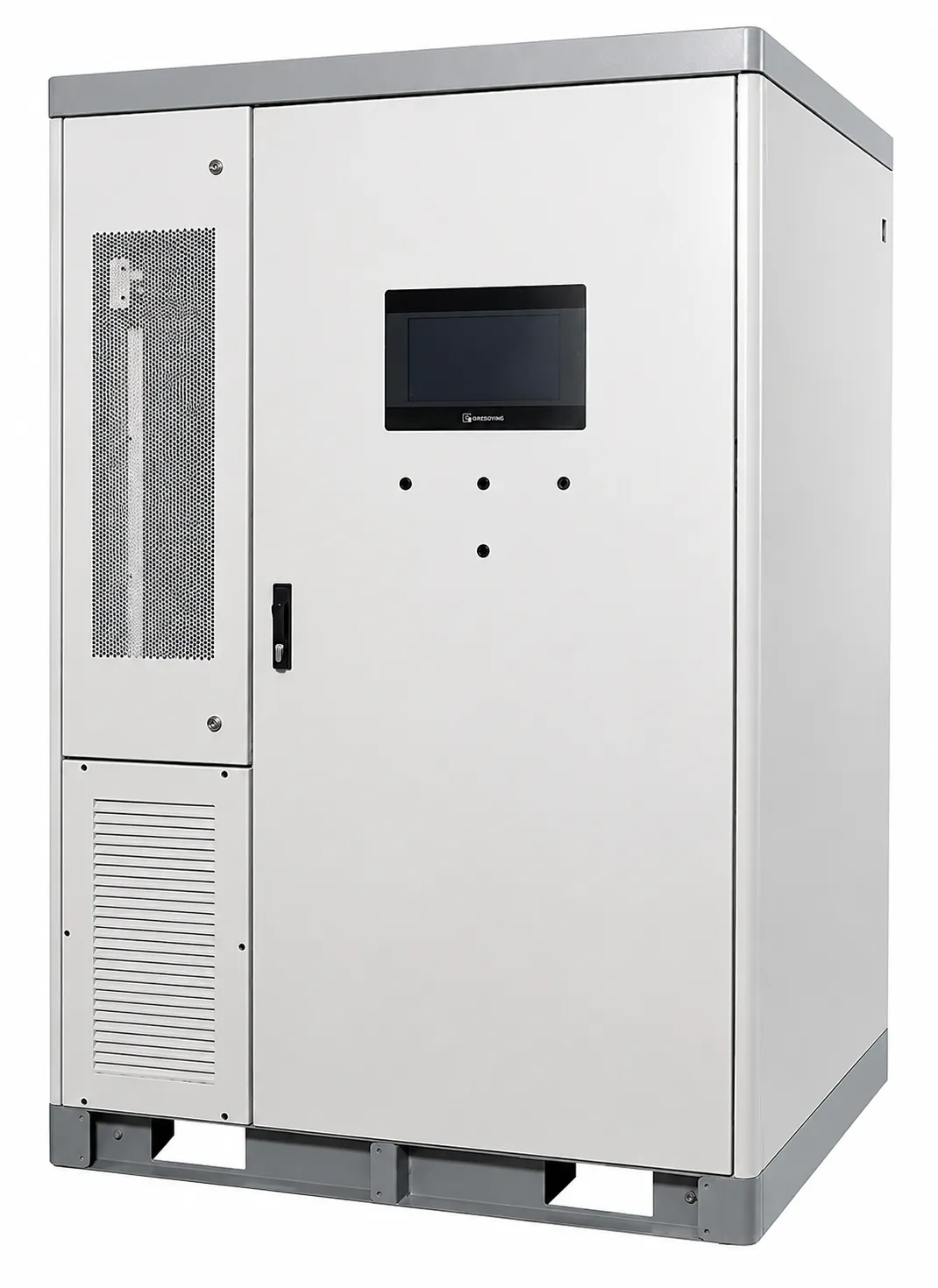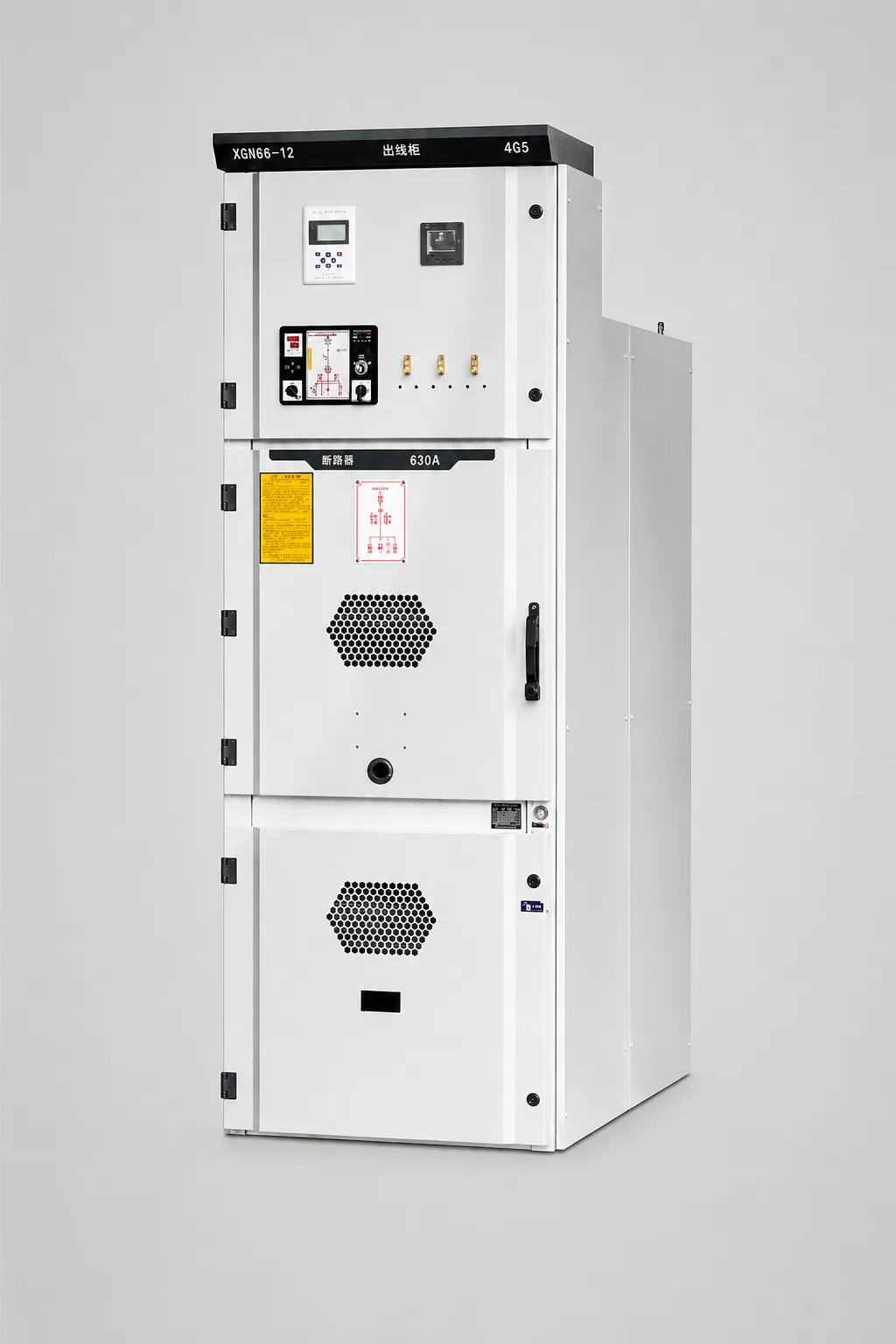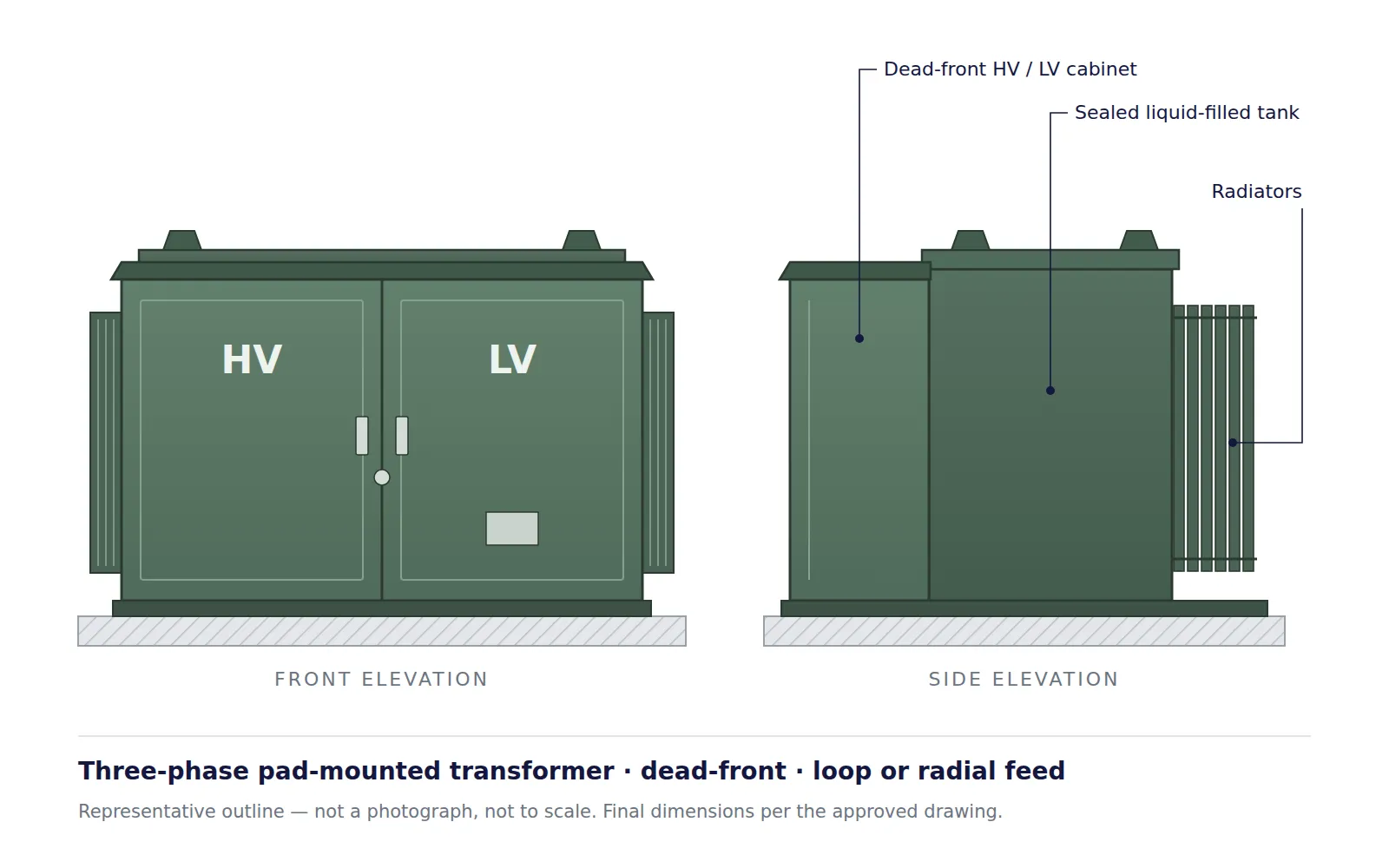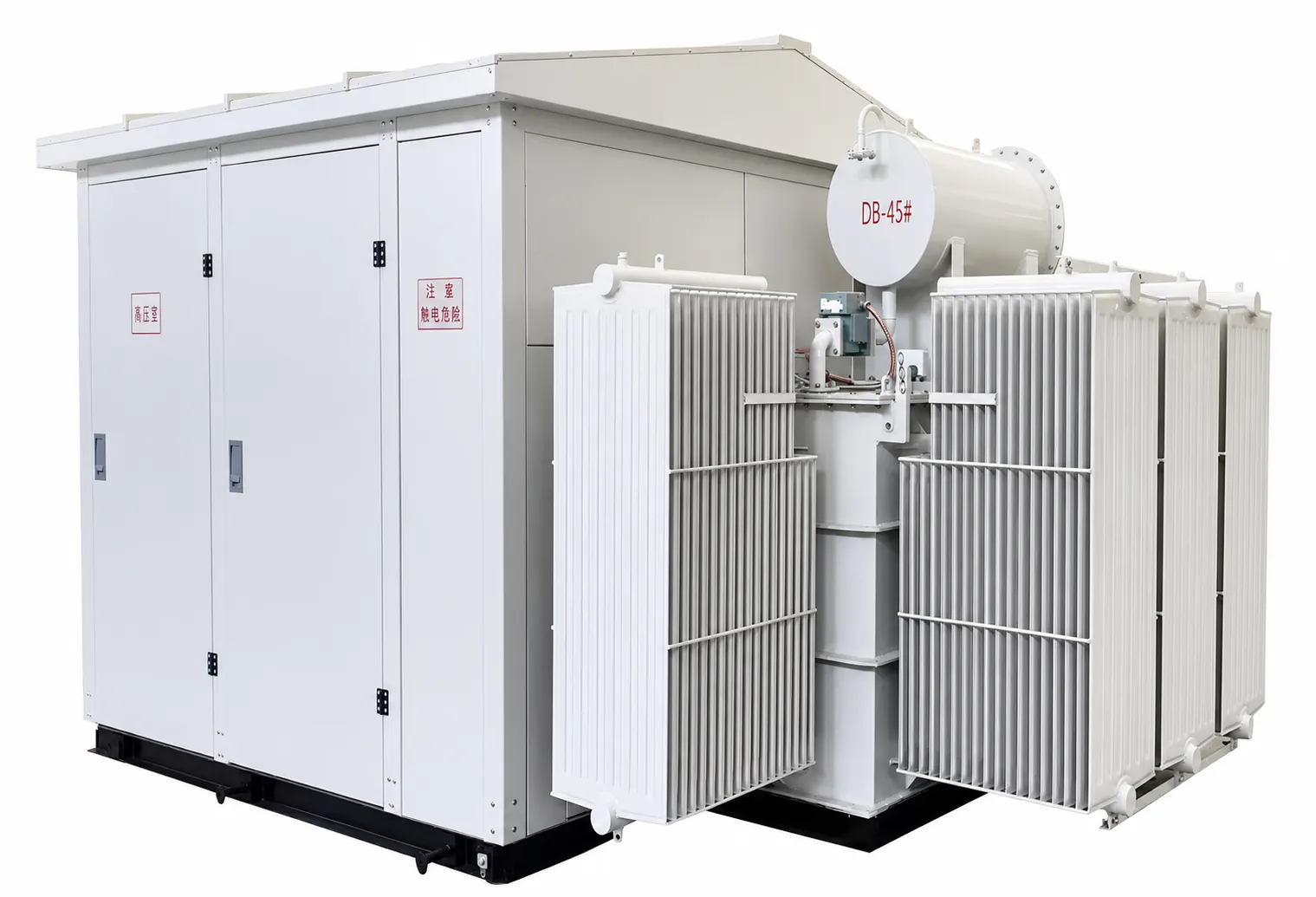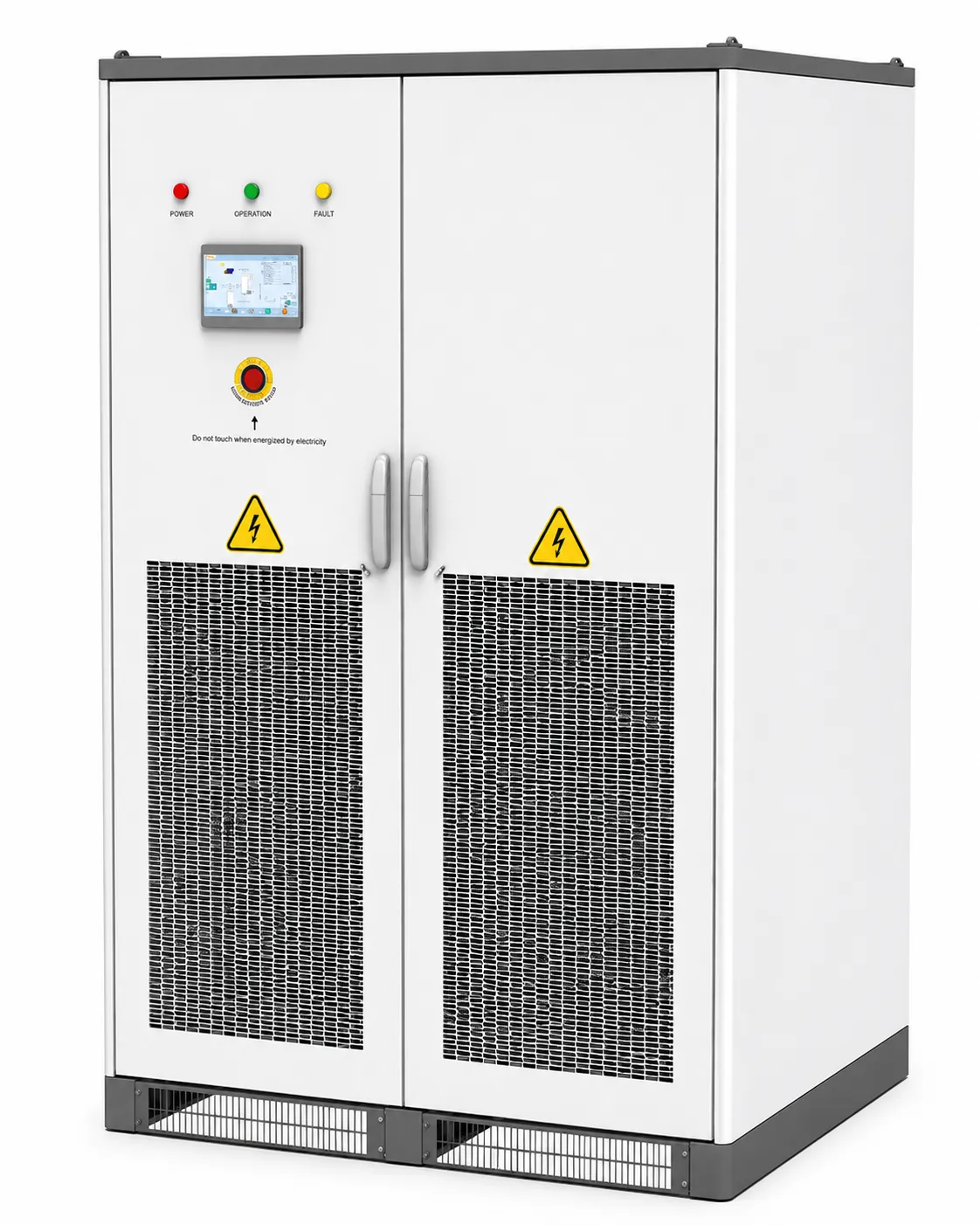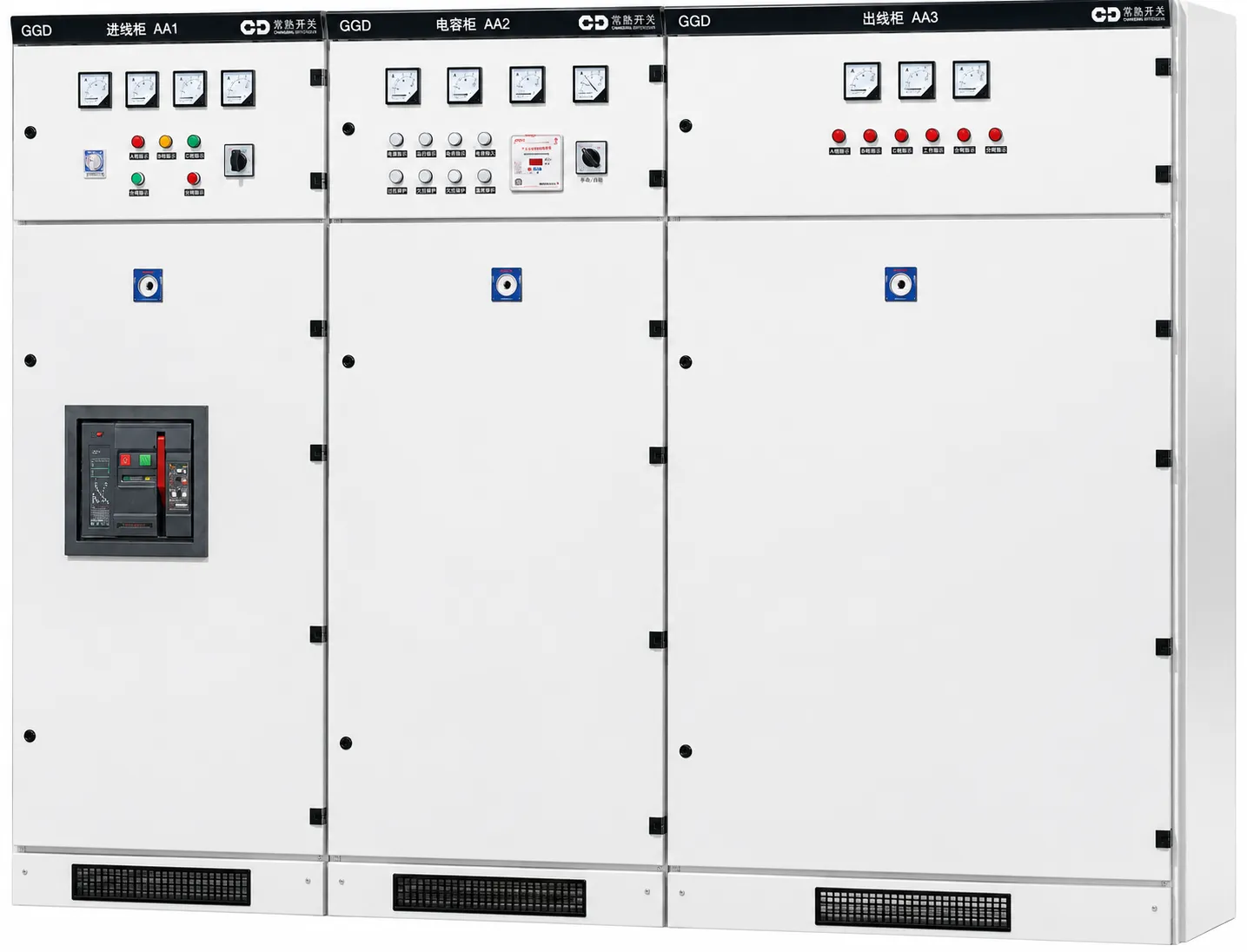
Entogo is a Canadian company and power-equipment manufacturer, with its own factory in China, supplying transformers, prefabricated substations and switchgear for industrial facilities and EPC contractors across North America. Equipment is engineered to the project’s drawings, built to ANSI/IEEE C57, and delivered in 16–24 weeks for North-American-spec builds — so the power equipment stays off the critical path instead of disappearing into a multi-year backlog.
Why is a transformer the riskiest line item on an EPC schedule?
On most industrial and EPC projects, the long-lead electrical equipment is the single biggest threat to the in-service date. The merchant transformer market now quotes one to four years, and that risk compounds in two ways.
The root cause is structural. Grain-oriented electrical steel (GOES) — the core material in every transformer — comes from a concentrated set of mills, and industry analysts including Wood Mackenzie have documented how that single-point dependency, plus raw-material inflation and a demand surge led by data centers, has stretched lead times into years. The U.S. Department of Energy has flagged transformer availability as a reliability-level concern.
The second is mismatched lead times. An EPC package is only as fast as its slowest item. A project that secures switchgear in months but waits two years for the transformer is still two years from energising — and the standing crews, financing and liquidated-damages exposure pile up the whole time.
How does Entogo keep power equipment off the critical path?
The multi-year backlog is the merchant queue, not the time it takes to build the equipment. Entogo is not standing in that queue. It manufactures in its own source factory with a complete, vertically integrated supply chain and keeps standard IEC/CE designs in series production — so an order enters Entogo’s own build schedule rather than the merchant allocation queue. North-American-spec (ANSI/IEEE) builds ship in 16–24 weeks and IEC/CE catalogue equipment built for export markets in about 12 weeks; delivery comes within 36 weeks even in the most demanding case — an order that needs new cULus/CSA certification before energising.
For a contractor building a schedule, that turns the historically riskiest line item into a predictable one. The transformer is no longer the milestone everyone holds their breath over.
Can Entogo build to our drawings, not a fixed catalogue?
Yes — and for industrial and EPC work, that is the point. Entogo engineers transformers, substations and switchgear against the project one-line diagram, electrical schedule and site conditions, rather than forcing the design into a standard product. Vector group, impedance, rating, enclosure rating and protection coordination are all specified to the project.
Just as important, Entogo supplies the equipment as a coordinated, turnkey package — transformer, MV switchgear and LV distribution assembled and factory-tested together. Interfaces are resolved on the factory floor, not discovered during site commissioning, which shortens the on-site program and removes a class of rework that EPC schedules rarely have slack for.
What can Entogo supply for an industrial site?
- Industrial transformers — oil-immersed units for general duty, plus dry-type and amorphous-alloy transformers for indoor, high-fire-risk or environmentally sensitive locations such as plants, mines and process facilities.
- Prefabricated substations — modular box-type and boosting substations that move substation construction off the field critical path.
- Medium- and low-voltage switchgear — metal-enclosed MV switchgear and LV withdrawable assemblies built to IEC 61439, with arc-flash hazard managed per IEEE 1584.
- Battery storage and grid-connection equipment — where the site integrates on-site generation, storage or a constrained grid connection.
How is compliance and quality assured?
Entogo builds to internationally recognized standards — the ANSI/IEEE C57 family for transformers, IEC 61439 for low-voltage assemblies, and the CSA and NEC safety codes for North-American installations — under an ISO 9001 quality management system, with factory testing before shipment. Where the order needs new cULus/CSA certification, that certification step is included within the 36-week lead time, so compliance never becomes an open-ended schedule risk.
For EPC contractors and industrial owners, the equation is simple: the power equipment that used to define the worst case on the schedule becomes one of the most predictable parts of it. That is what a vertically integrated manufacturer delivering in weeks — not years — makes possible.