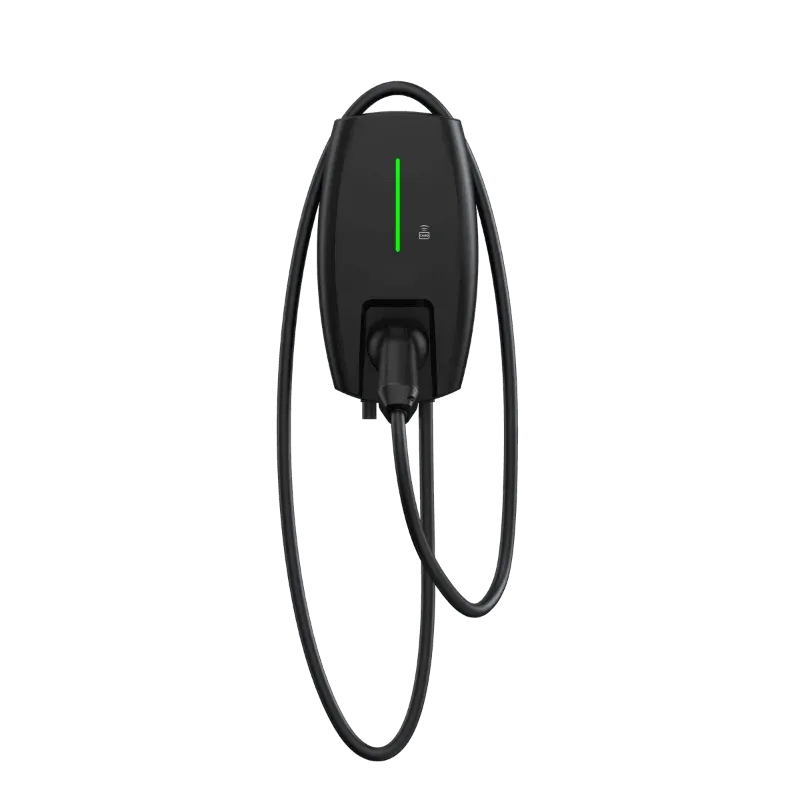
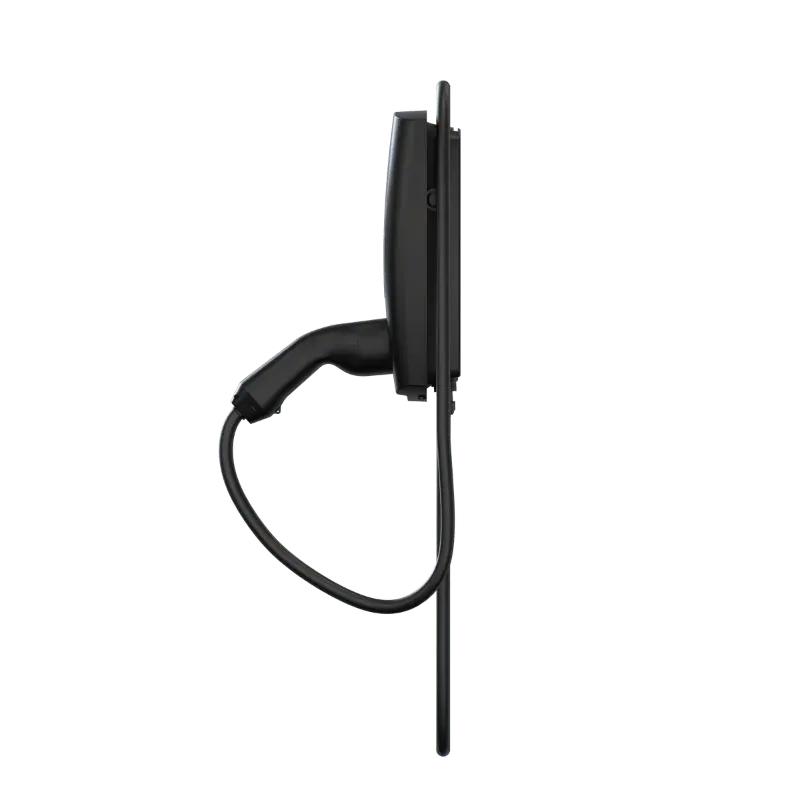
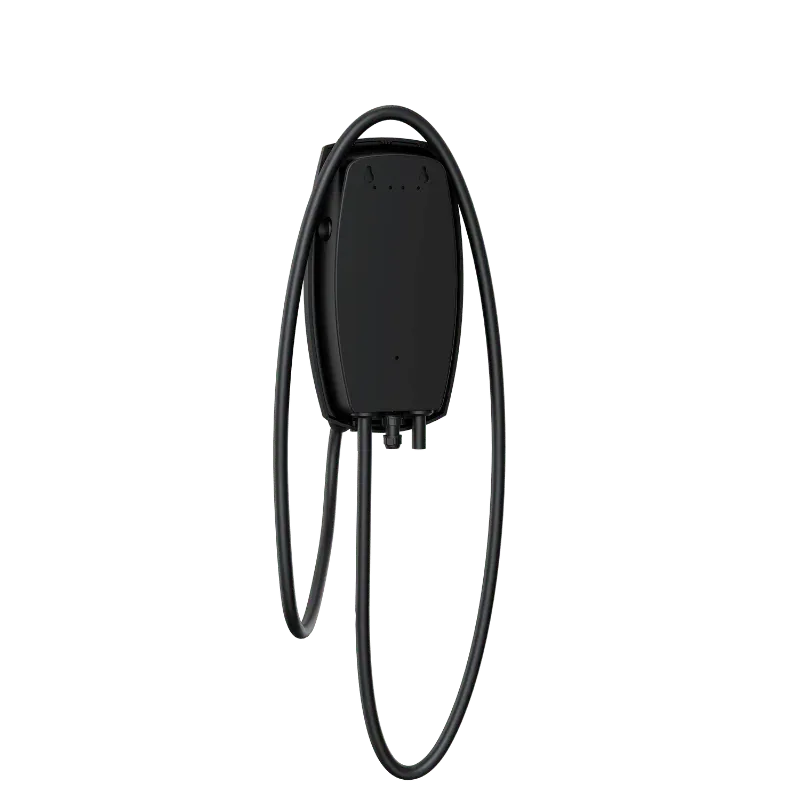
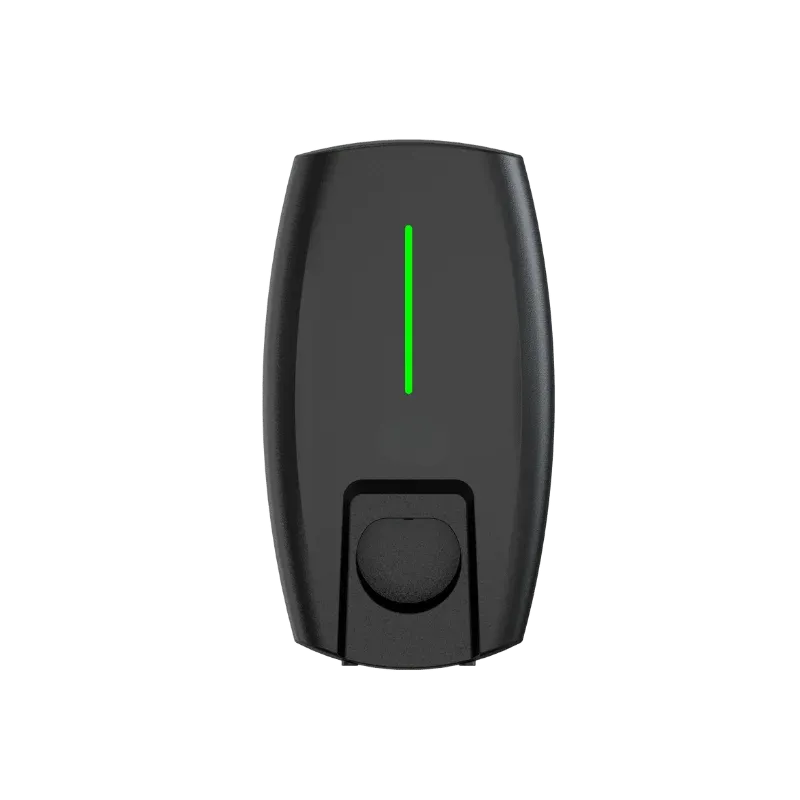
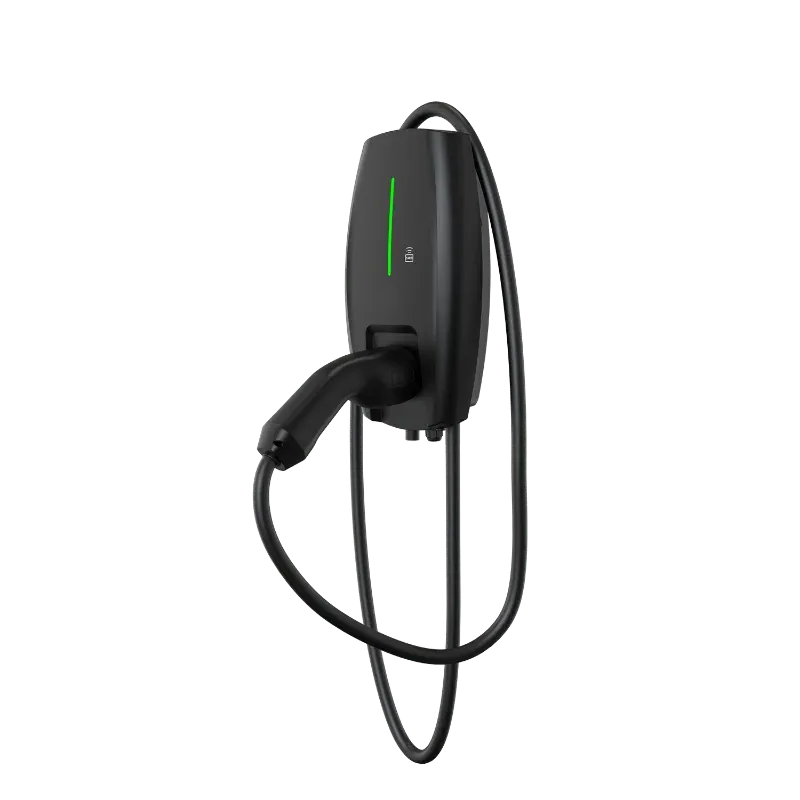
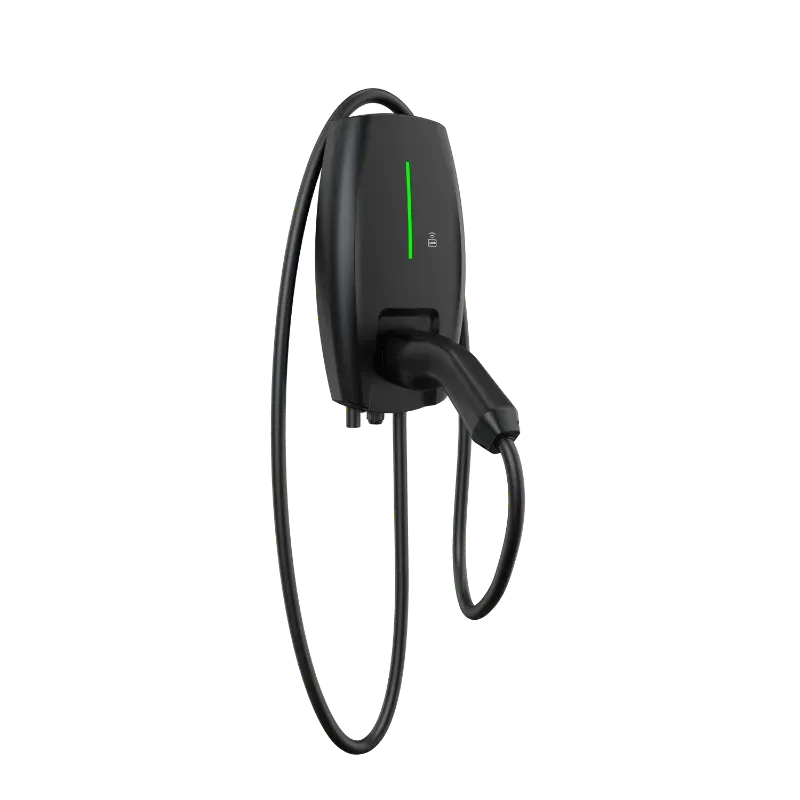
The Alvis is a compact 7 kW single-phase AC home charger for Type 2 EVs. Network connectivity over OCPP 1.6 supports app and RFID start as well as dynamic load balancing, and the design aligns with ETSI EN 303 645 cybersecurity for connected consumer devices. A lightweight polycarbonate body with an IP65 rating makes it a tidy, dependable everyday wallbox.
EV Charging & PV-Storage-Charging
Alvis AC Home Charger
7 kW · Type 2
1 / 6
Overview
A compact 7 kW single-phase home AC charger with OCPP 1.6 network connectivity, dynamic load balancing, consumer-IoT cybersecurity aligned to ETSI EN 303 645 and plug-to-charge, RFID and app start modes.
Entogo, a Canadian company, builds the Alvis AC Home Charger in its own factory in China with a vertically integrated supply chain — factory-direct pricing, shipping in 4–8 weeks, and a minimum 36-month manufacturer warranty backed by Entogo Inc. in Toronto.
Key features
- Compact, lightweight design for residential spaces.
- Network connectivity with OCPP 1.6 compatibility.
- Dynamic load balancing.
- Cybersecurity aligned to ETSI EN 303 645 for consumer IoT.
- Personal-data protection during charging.
- Multiple start modes — plug-to-charge, RFID card and app.
- IP65 outdoor-rated enclosure.
Get a quote
Lead time
4–8 weeks
Order now for estimated delivery Dec 2026 – Jan 2027.
E-Mobility
Related products
E-Mobility
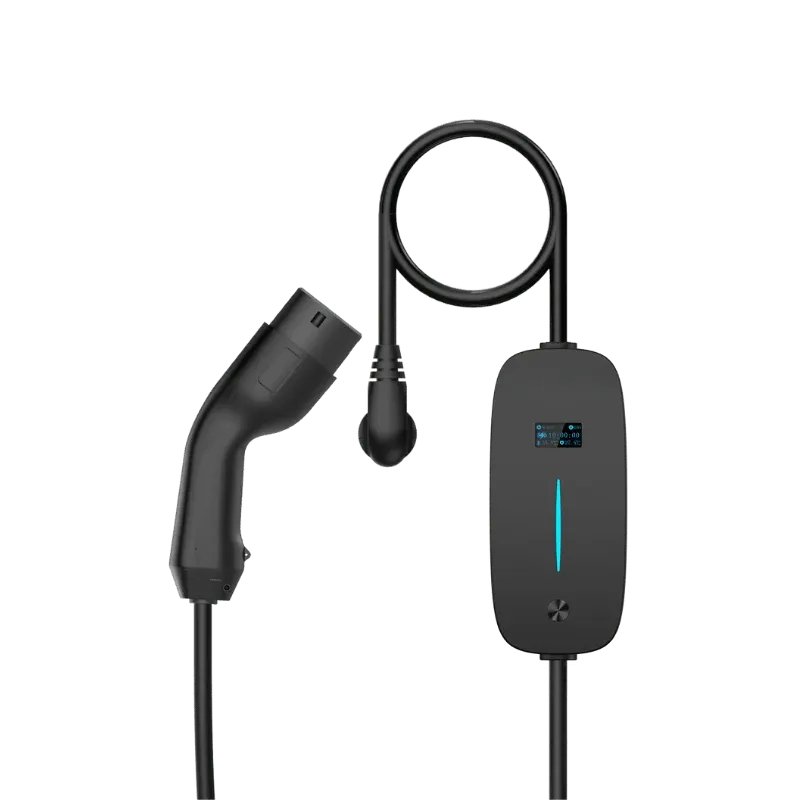
Memo Portable AC Charger
A 3.5 kW portable Type 2 charger with a cable-wrap design for compact storage, an IP67-rated body, comprehensive electrical protection and plug-to-charge operation — charging on the move with no installation required.
View
E-Mobility
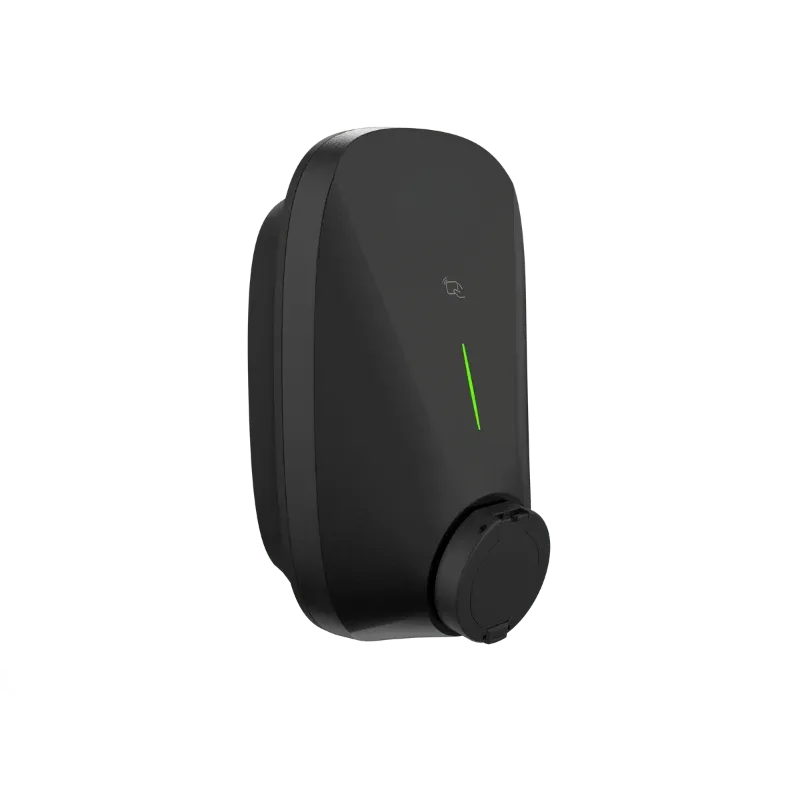
Saro AC Home Charger
A 22 kW residential AC charger with dynamic load management, PV-compatible smart charging and a full set of connectivity options — Wi-Fi, Ethernet, Bluetooth and 4G — in a compact, space-saving design.
View
E-Mobility
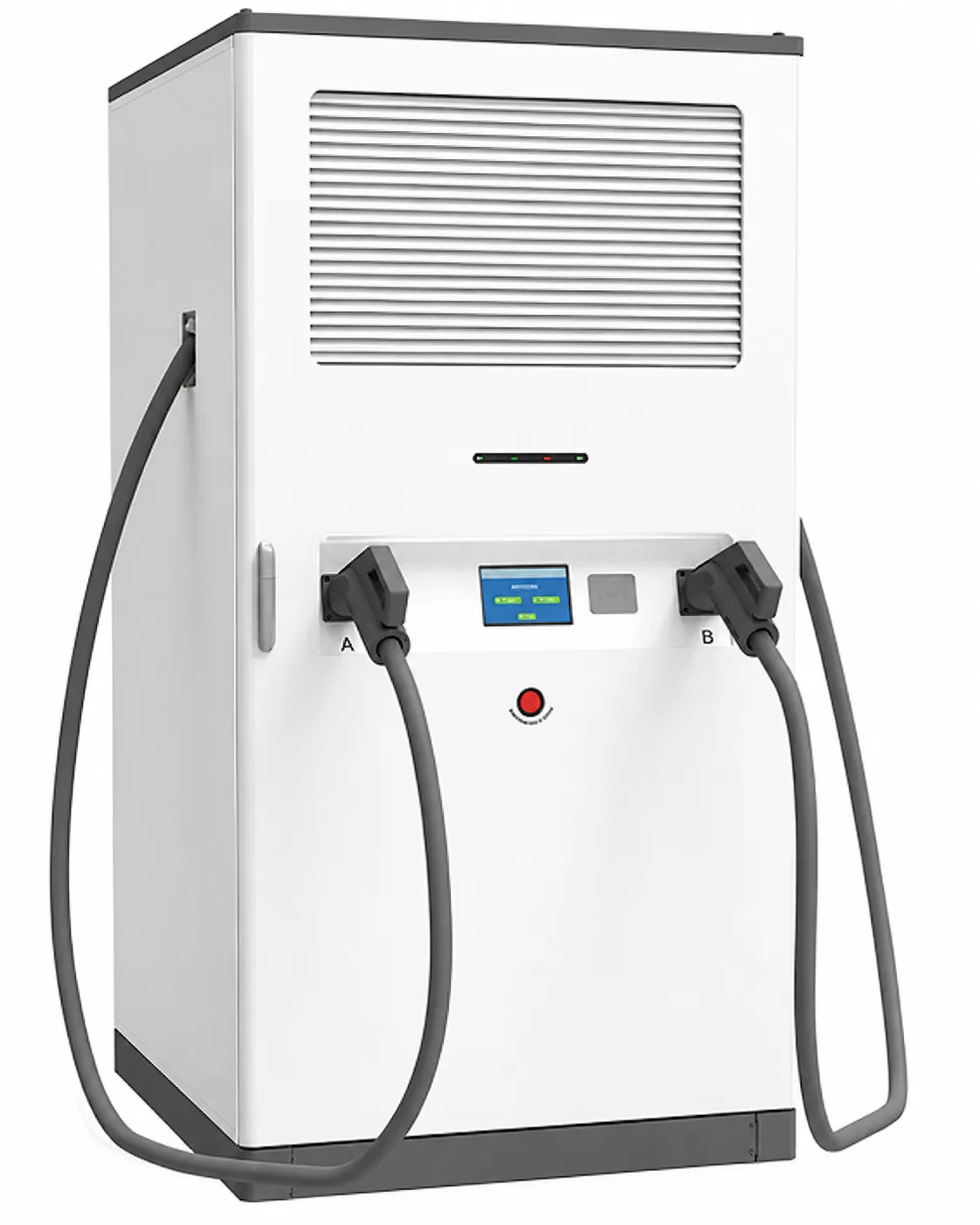
Dual-Gun Integrated Photovoltaic-Storage-Charging Unit
A compact integrated photovoltaic-storage-charging unit that pairs built-in battery storage with high-power DC charging, drawing charging energy from the DC side to cut AC-side impact and reduce the required transformer capacity.
View
Request a quote