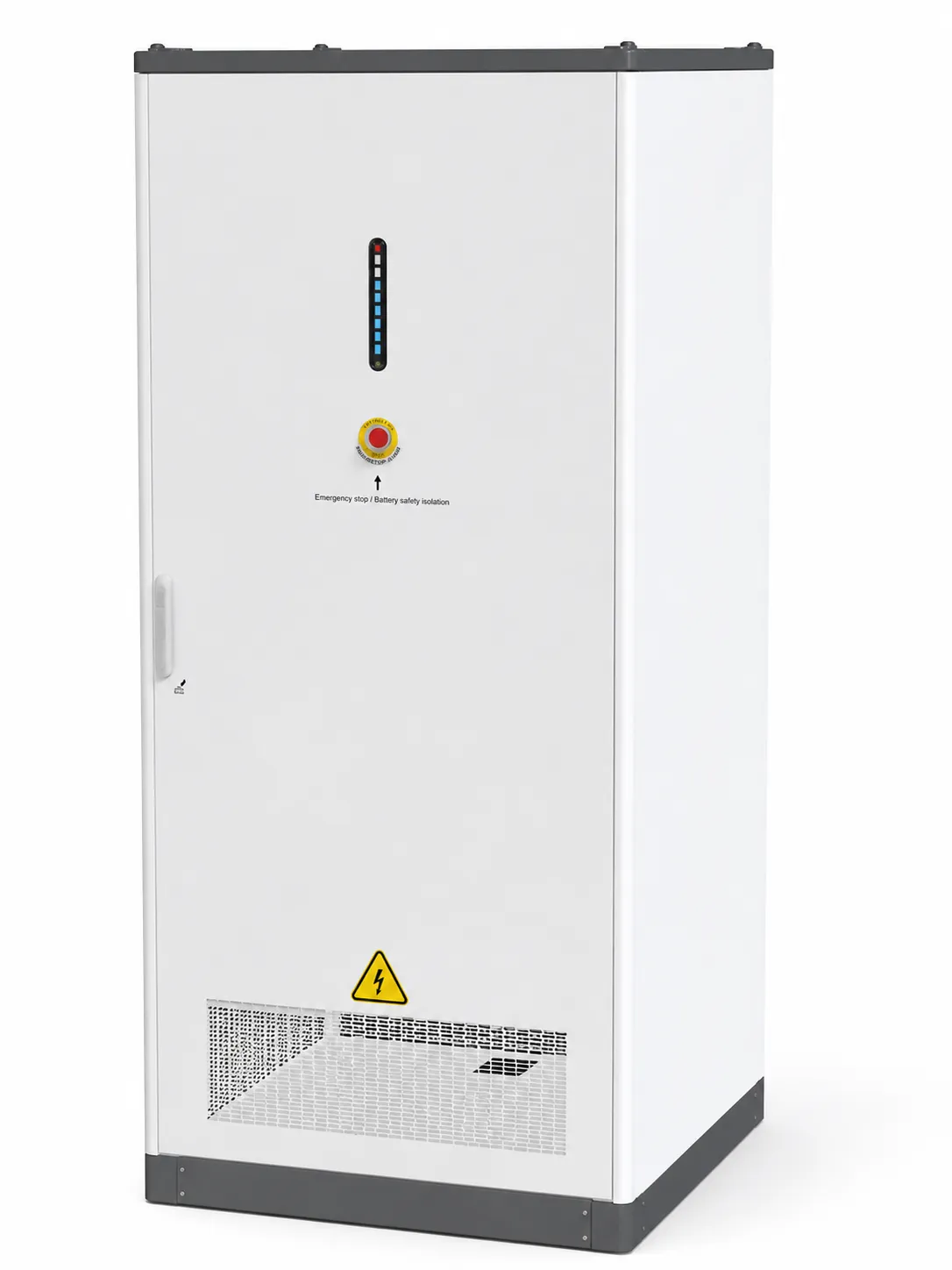
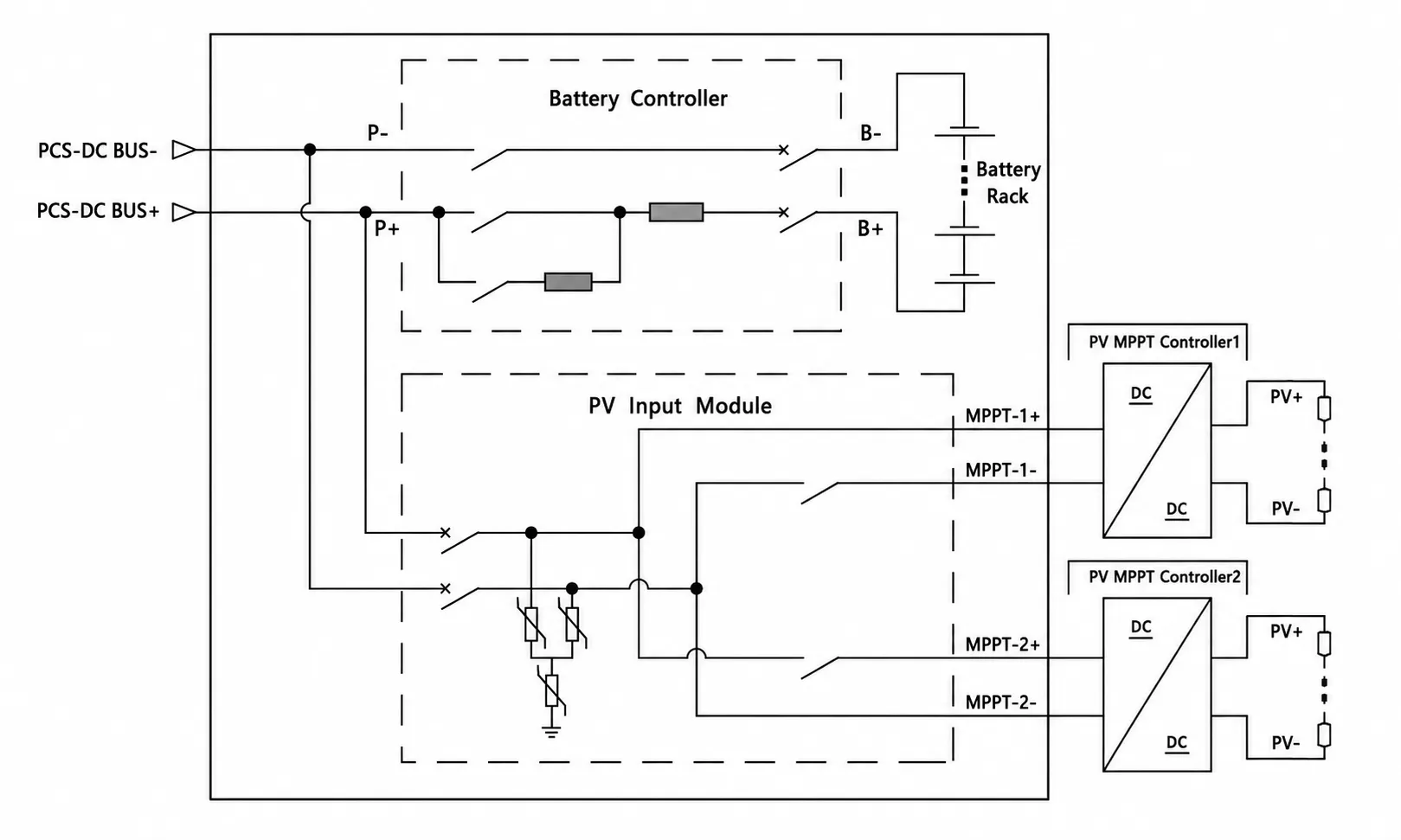
This 200–225 kWh battery energy storage system pairs a three-level BMS with multiple battery clusters in parallel for flexible capacity in a compact footprint. An optional DC-coupled PV input connects through a hub-and-spoke MPPT controller, and a unified DC interface with a battery control box manages photovoltaic MPPT to protect battery charging.
Energy Storage
Battery Energy Storage System
200 kWh / 225 kWh
1 / 2
Overview
A compact 200–225 kWh battery energy storage system with three-level BMS and multi-cluster parallel batteries, plus optional PV DC-coupled access through a hub-and-spoke MPPT controller and a unified DC input for protected battery charging.
Entogo, a Canadian company, builds the Battery Energy Storage System in its own factory in China with a vertically integrated supply chain — factory-direct pricing, shipping in 16–24 weeks (within 36 weeks when the order needs new cULus/CSA certification), and a minimum 36-month manufacturer warranty backed by Entogo Inc. in Toronto.
Key features
- Flexible configuration with three-level BMS and parallel battery clusters.
- Compact size and small footprint for easy installation.
- Optional PV DC-coupled access via a hub-and-spoke MPPT controller.
- Unified DC input and control box that manages PV MPPT to protect charging.
Custom-engineered · built to order
Get a quote
Lead time
16–24 weeks
Order now for estimated delivery Mar 2027 – May 2027.
Certification and testing may extend this, depending on the applicable standard and scope.
Keep reading
Related insights
Energy Storage
How to size a battery energy storage system: power vs. energy
A battery energy storage system is sized with two independent numbers, power in megawatts and energy in megawatt-hours. Their ratio is the C-rate, which fixes how long the system runs at full output and drives cost, cooling, and site design.
View
Energy Storage
Air-cooled vs. liquid-cooled battery storage: how to choose
Battery cells age faster when they run hot, so a BESS cooling architecture largely decides its lifespan and footprint. Air cooling is simpler and cheaper; liquid cooling holds tighter temperatures for dense, high-throughput sites. Here is how to choose.
View
Energy Storage
Battery storage fire safety: what NFPA 855 and UL 9540A require
Lithium-ion battery storage in North America is governed by NFPA 855 and UL 9540A. NFPA 855 caps individual units at 20 kWh and requires three-foot separation unless UL 9540A large-scale fire-test data proves a fire will not spread, which shapes how a BESS is sited, spaced, and permitted.
View
Clean Energy
Related products
Clean Energy
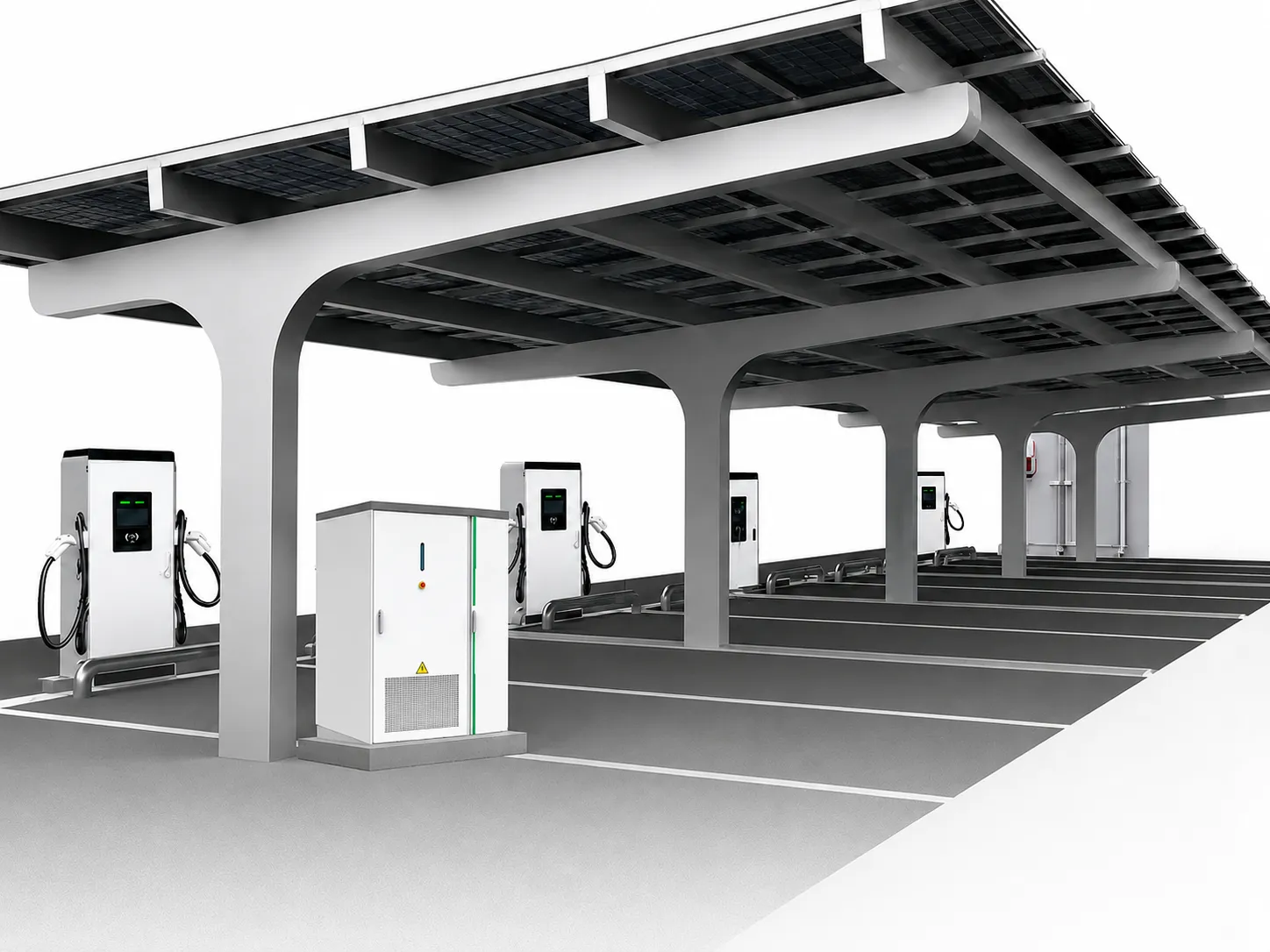
DC-Coupled Energy Storage & Charging System
A DC-coupled energy-storage-and-charging system that uses existing transformers to add storage and EV charging without grid capacity expansion — a flexible stack with split terminals lets parking and charging coexist at sites with time-of-use (peak/off-peak) price differentials.
View
Clean Energy
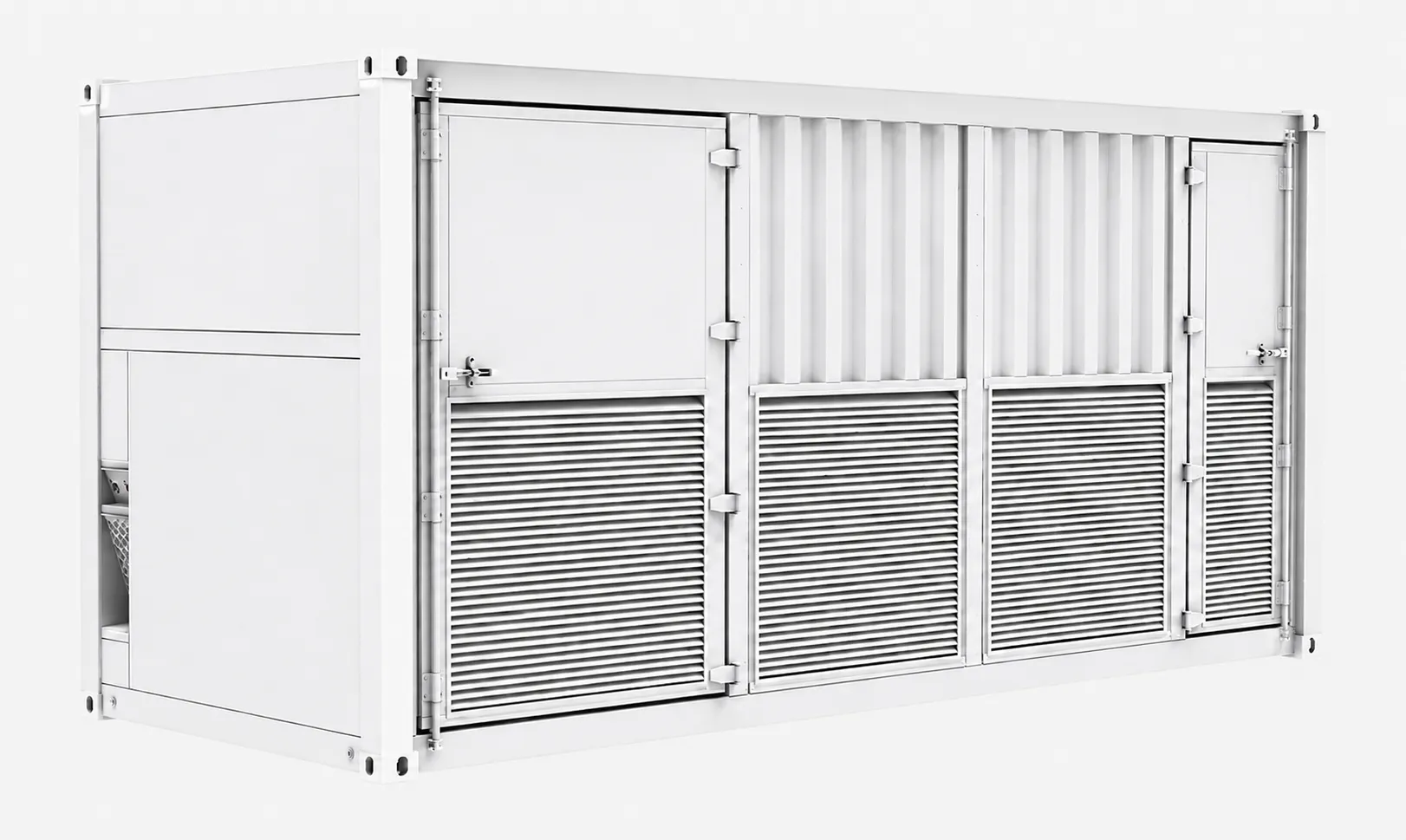
Containerized Battery Energy Storage System
A 2570 kWh containerized battery energy storage system with intelligent air-conditioning cooling, PV DC-coupled integration and pack-level perfluorohexanone fire protection, shipped as a pre-installed container weighing under 26 tons.
View
Clean Energy
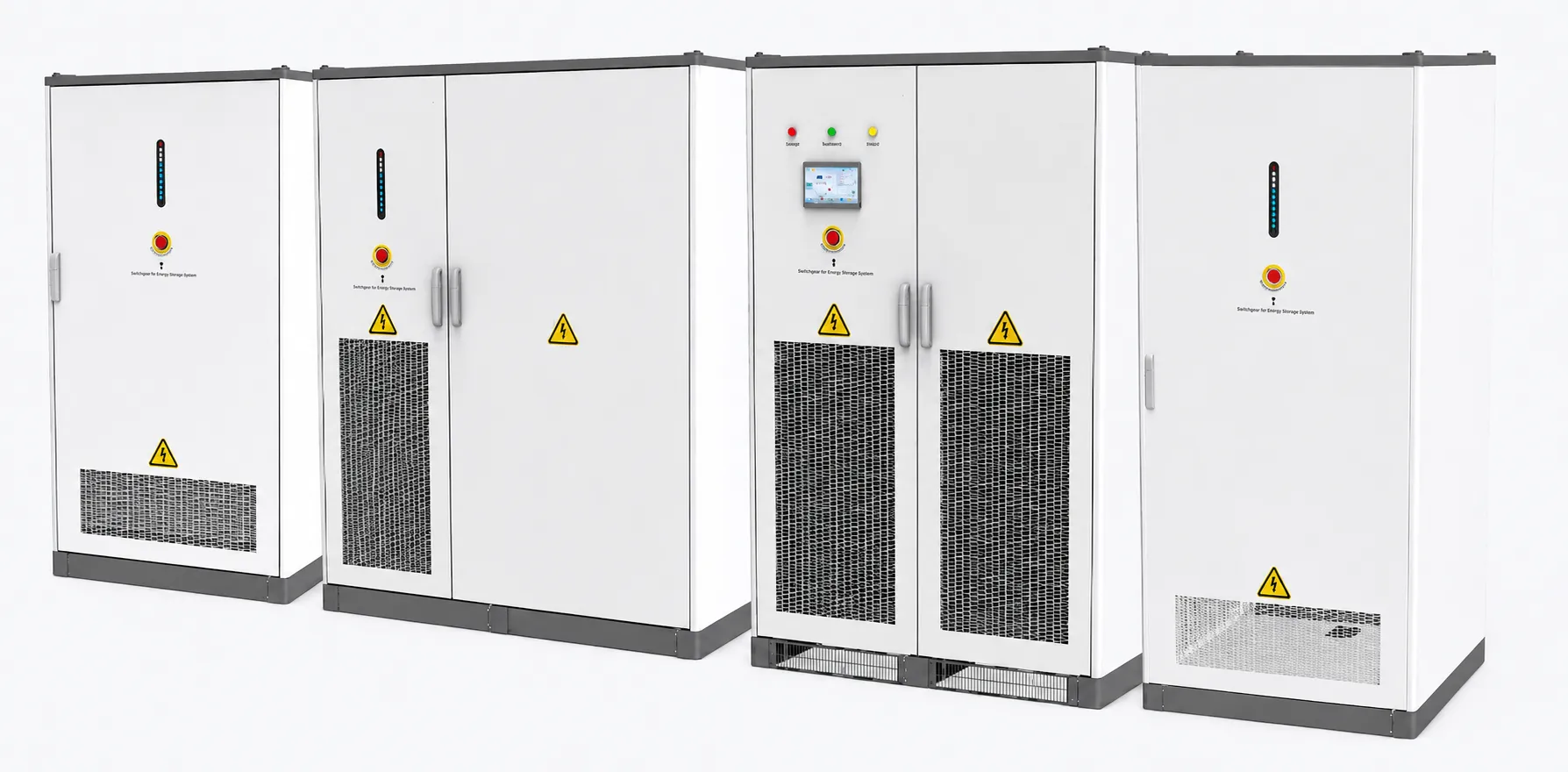
DC-Coupled Grid-Forming PV-Storage Hybrid System
A DC-coupled grid-forming / off-grid PV-storage system (PV-storage-diesel hybrid) offering seamless switchover to off-grid operation without loss of power, higher DC-coupled charging efficiency, larger installable PV capacity and external multi-channel PV MPPT in place of combiner boxes.
View
Request a quote