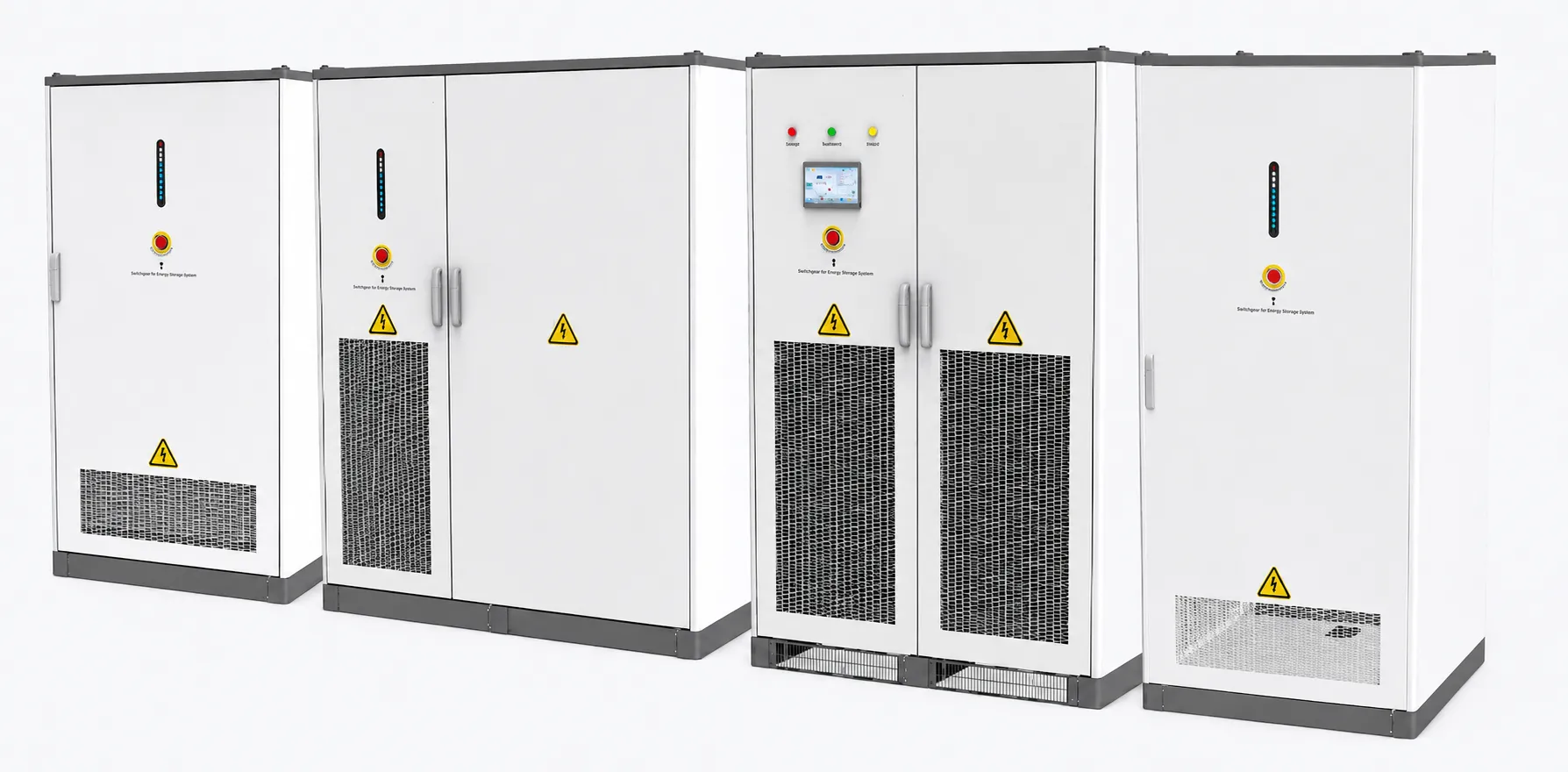
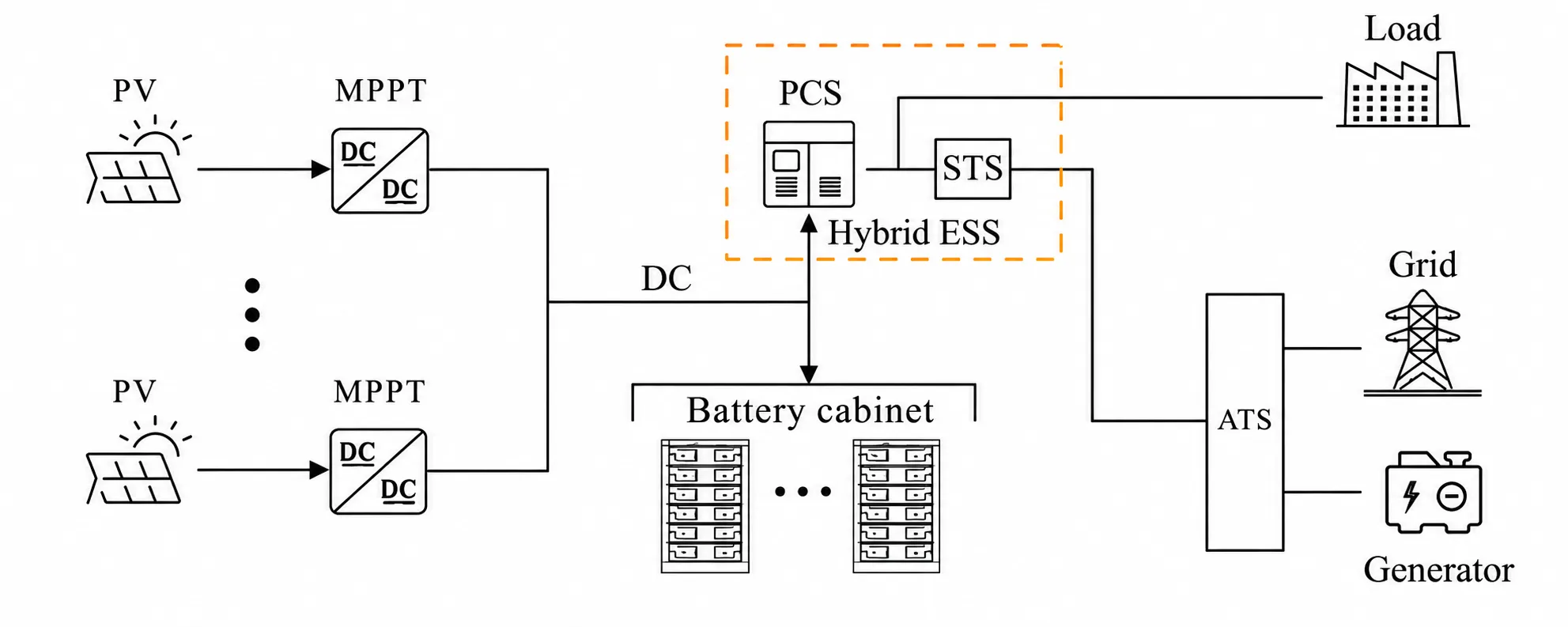
This DC-coupled system can form its own grid, switching between grid-tied and off-grid operation so power stays on even when the grid drops. DC coupling raises battery charging efficiency and allows more installable PV capacity, and external multi-channel PV MPPT replaces conventional combiner boxes for a simpler, more flexible layout — suited to off-grid, weak-grid and diesel-hybrid sites.
Energy Storage
DC-Coupled Grid-Forming PV-Storage Hybrid System
Grid-forming / off-grid (PV-storage-diesel)
1 / 2
Overview
A DC-coupled grid-forming / off-grid PV-storage system (PV-storage-diesel hybrid) offering seamless switchover to off-grid operation without loss of power, higher DC-coupled charging efficiency, larger installable PV capacity and external multi-channel PV MPPT in place of combiner boxes.
Entogo, a Canadian company, builds the DC-Coupled Grid-Forming PV-Storage Hybrid System in its own factory in China with a vertically integrated supply chain — factory-direct pricing, shipping in 16–24 weeks (within 36 weeks when the order needs new cULus/CSA certification), and a minimum 36-month manufacturer warranty backed by Entogo Inc. in Toronto.
Key features
- Grid-tied / off-grid switching — "grid-off but not power-off".
- DC coupling raises battery charging efficiency.
- Greater installable PV capacity than AC-coupled designs.
- External multi-channel PV MPPT replaces conventional combiner boxes.
Custom-engineered · built to order
Get a quote
Lead time
16–24 weeks
Order now for estimated delivery Mar 2027 – May 2027.
Certification and testing may extend this, depending on the applicable standard and scope.
Keep reading
Related insights
Solar-Storage-Charging
DC-coupled vs. AC-coupled solar-plus-storage: how to choose
DC coupling ties the battery to the array's DC bus behind one hybrid inverter and recaptures clipped energy; AC coupling gives solar and storage their own inverters and easier retrofits. The right choice depends on whether the two are built together.
View
Energy Storage
Grid-forming vs. grid-following inverters for battery storage
Grid-following inverters follow an existing grid voltage, while grid-forming inverters set their own voltage and frequency so they can ride through weak grids, island, and black-start. Here is how to tell which one a battery storage project needs and what to specify.
View
Renewable Grid Connection
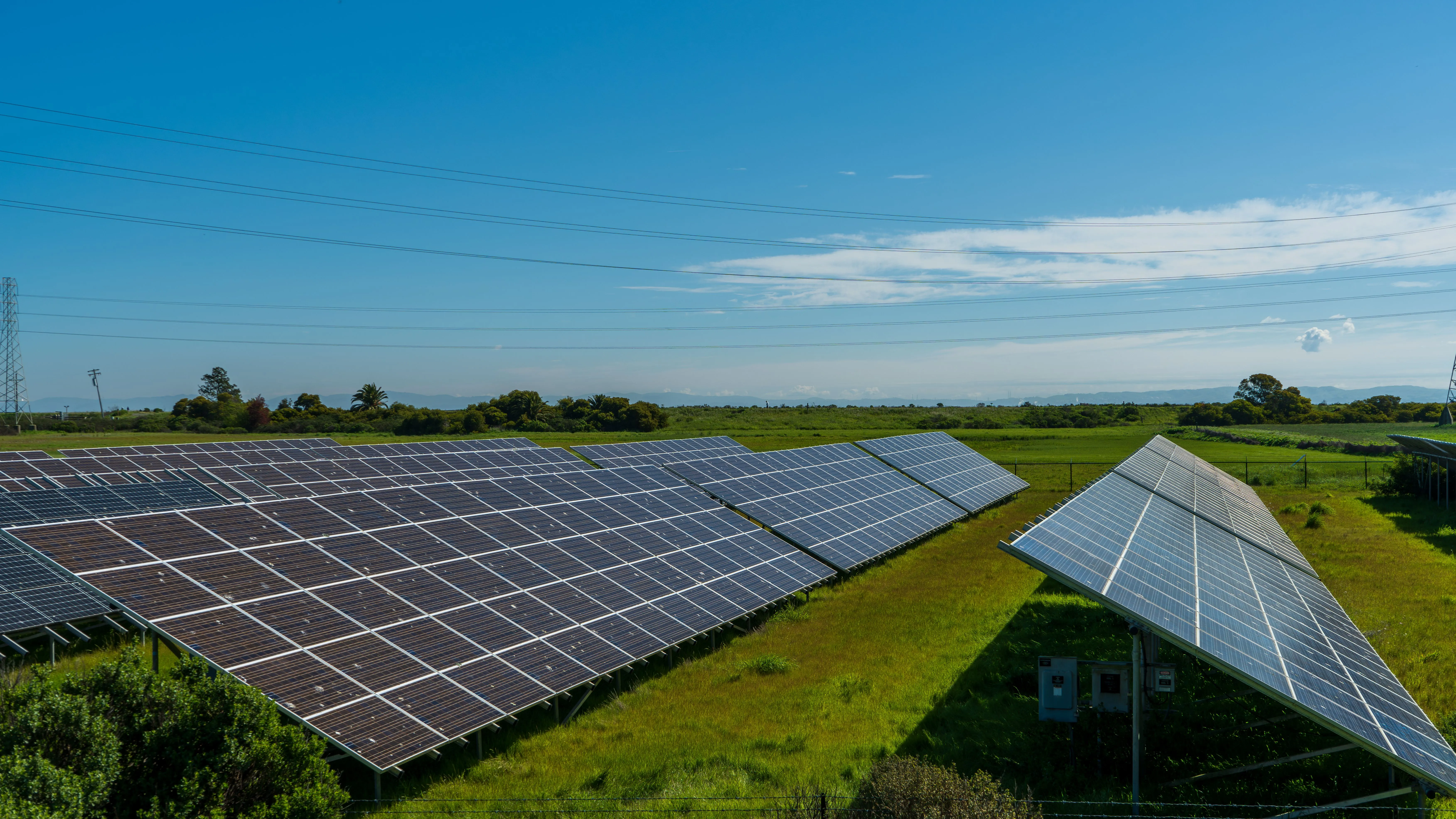
Interconnecting solar and storage to the grid: what IEEE 1547-2018 requires
Connecting solar or battery storage to the North American grid means meeting IEEE 1547-2018 for DER behavior, using a UL 1741 SB certified inverter, and passing a utility interconnection review that scales from a fast-track screen to a full study. Here is how the pieces fit.
View
Clean Energy
Related products
Clean Energy
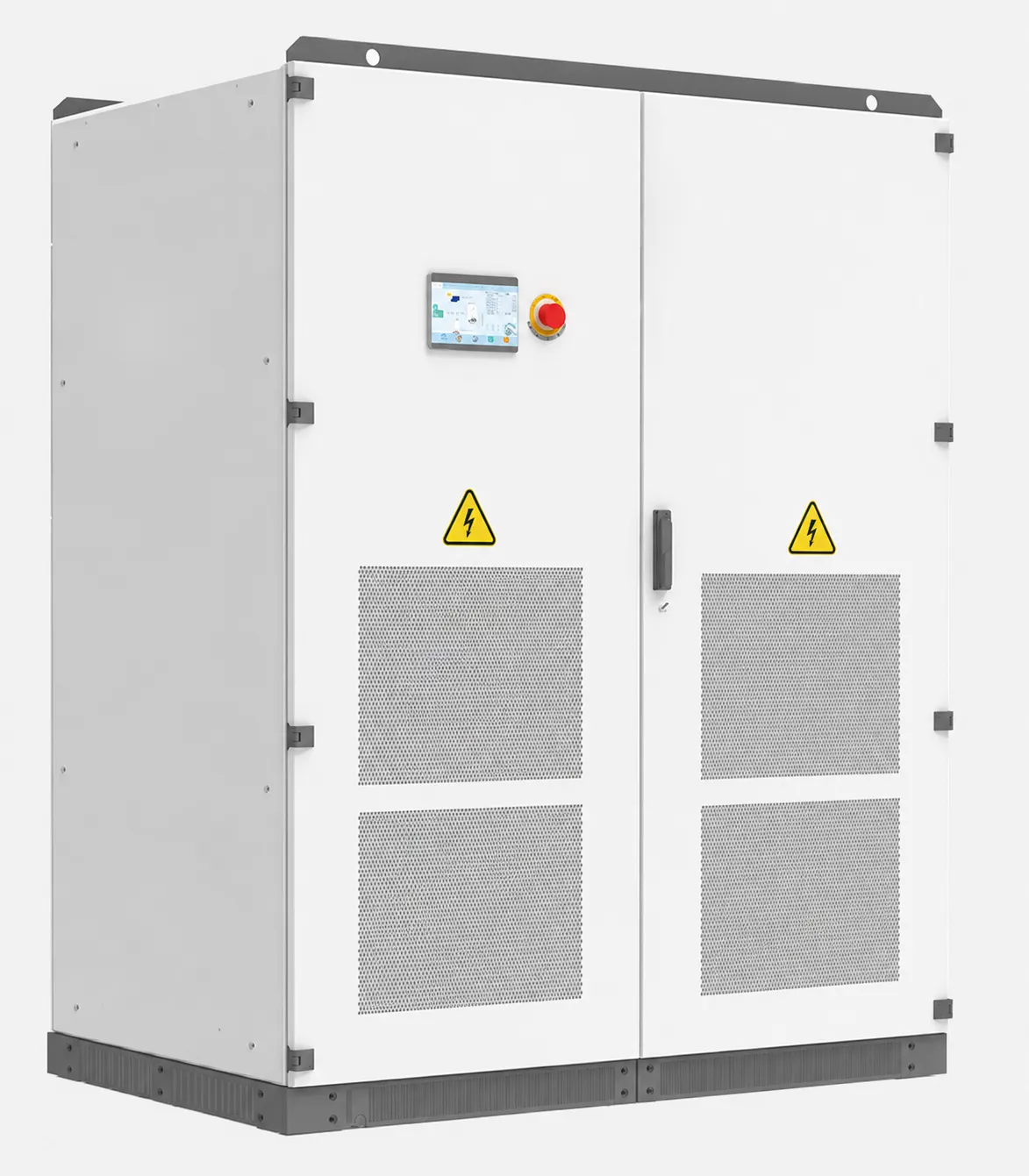
MW-Level Grid-Connected & Off-Grid System
A highly integrated, MW-scale grid-connected and off-grid energy system with PV DC access and MPPT (a DC-coupled PV-ESS microgrid), integrated BMS/PCS/EMS control, a built-in STS with sub-20 ms source switching and 1+1 parallel operation.
View
Clean Energy
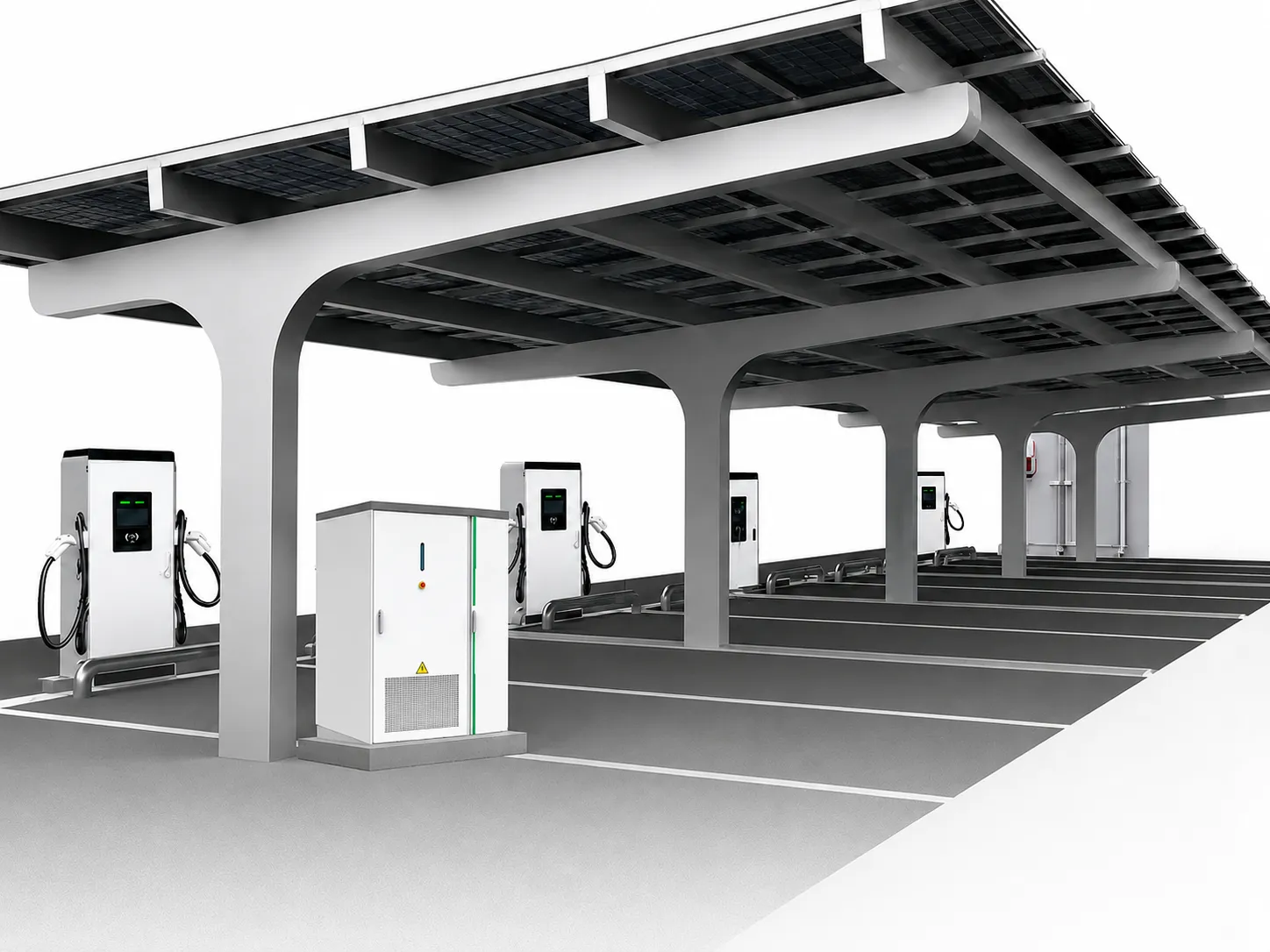
DC-Coupled Energy Storage & Charging System
A DC-coupled energy-storage-and-charging system that uses existing transformers to add storage and EV charging without grid capacity expansion — a flexible stack with split terminals lets parking and charging coexist at sites with time-of-use (peak/off-peak) price differentials.
View
Clean Energy
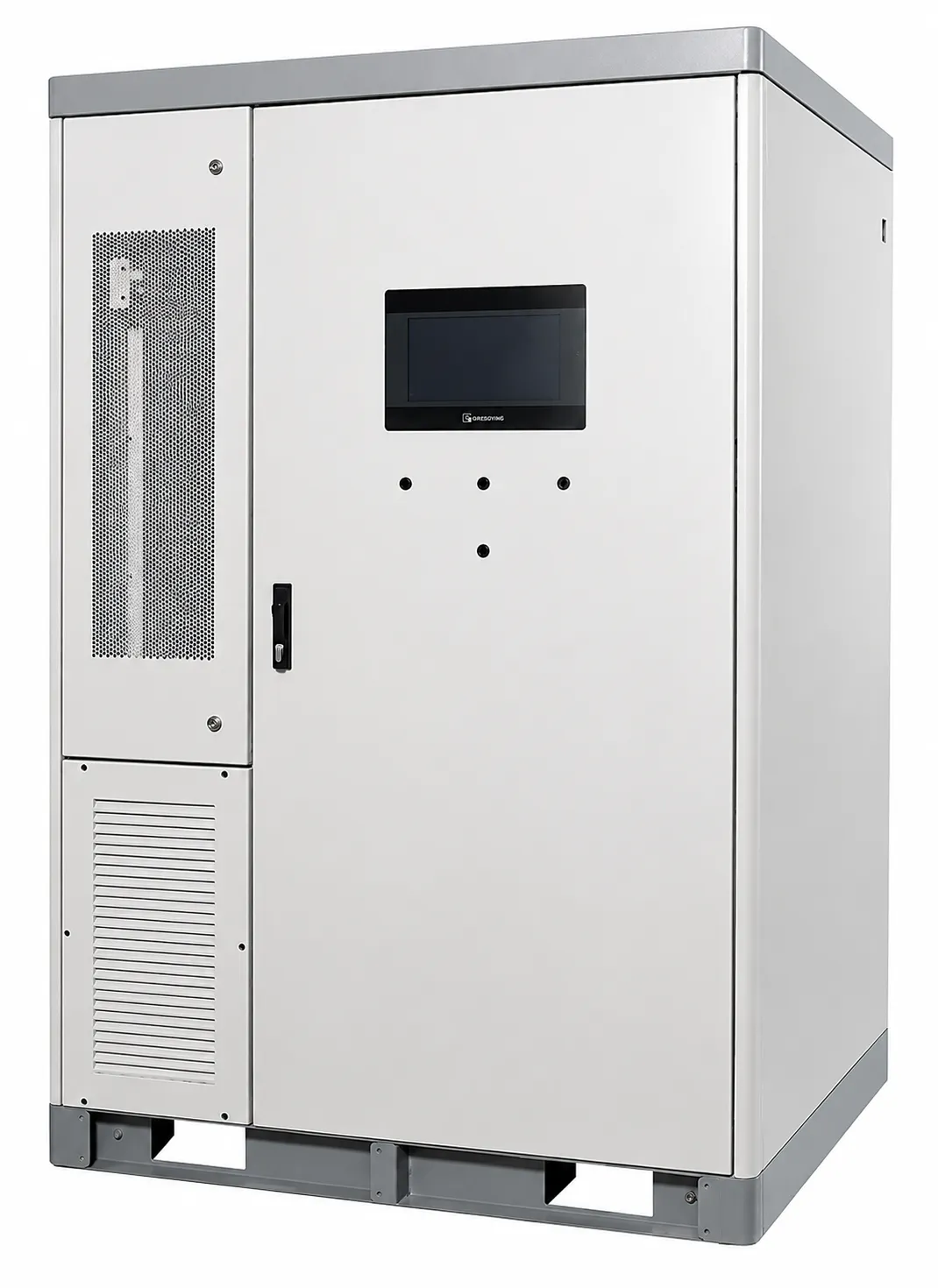
Industrial & Commercial Liquid-Cooled Energy Storage System
An all-in-one industrial and commercial liquid-cooled energy storage system that integrates the battery cluster, BMS, EMS, PCS, liquid-cooling control and fire protection in a single cabinet for factories, commercial complexes and data centers.
View
Request a quote