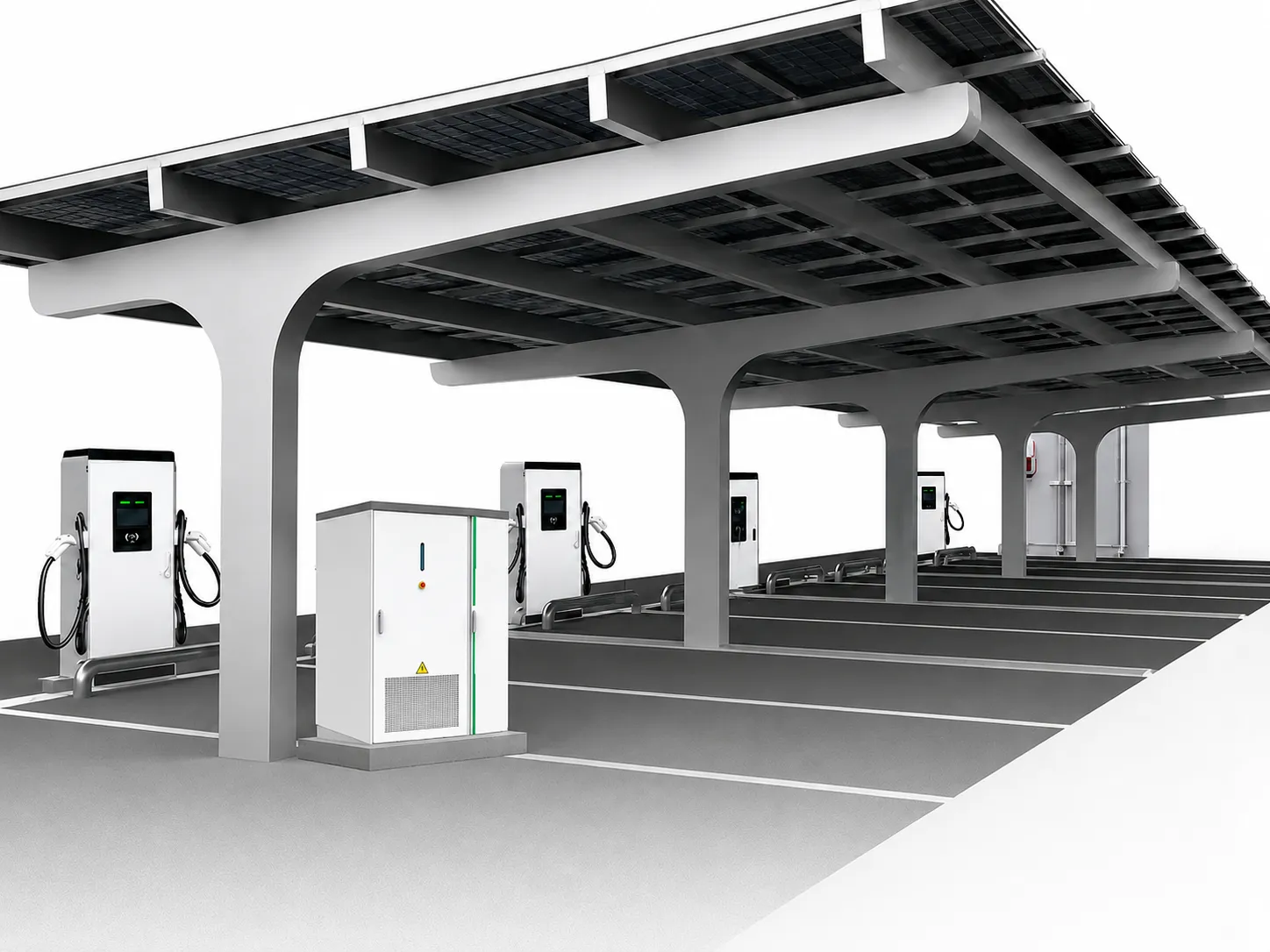
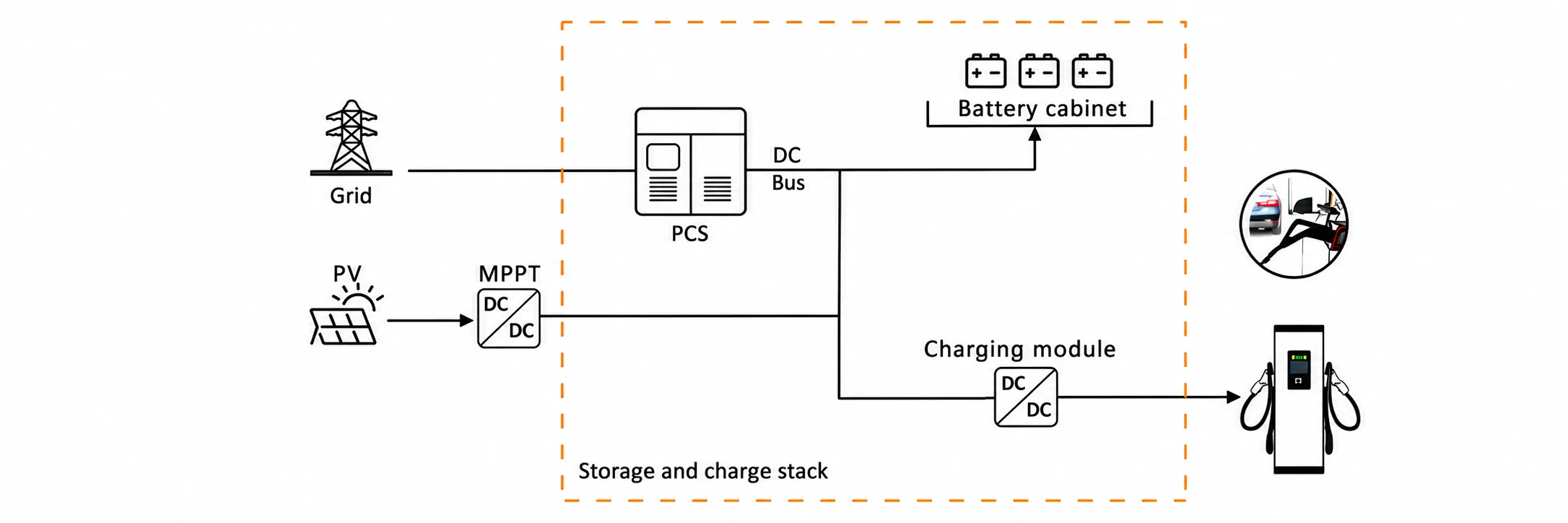
The DC-coupled energy storage and charging system adds both storage and EV charging to a site without expanding grid capacity, drawing on the existing transformer. A flexible storage-and-charging stack with split-type terminals lets vehicles park and charge without conflict, while intelligent switching captures the value of peak-valley price differences — a strong fit for parks, malls, hotels and fuel stations where transformer capacity is tight.
Energy Storage
DC-Coupled Energy Storage & Charging System
Storage stack + split terminals
1 / 2
Overview
A DC-coupled energy-storage-and-charging system that uses existing transformers to add storage and EV charging without grid capacity expansion — a flexible stack with split terminals lets parking and charging coexist at sites with time-of-use (peak/off-peak) price differentials.
Entogo, a Canadian company, builds the DC-Coupled Energy Storage & Charging System in its own factory in China with a vertically integrated supply chain — factory-direct pricing, shipping in 16–24 weeks (within 36 weeks when the order needs new cULus/CSA certification), and a minimum 36-month manufacturer warranty backed by Entogo Inc. in Toronto.
Key features
- Adds storage and EV charging without grid capacity expansion.
- Uses existing transformers for dual storage and charging benefit.
- Split-type terminals let parking and charging coexist without conflict.
- Intelligent switching for high efficiency and adaptability.
Custom-engineered · built to order
Get a quote
Lead time
16–24 weeks
Order now for estimated delivery Mar 2027 – May 2027.
Certification and testing may extend this, depending on the applicable standard and scope.
Keep reading
Related insights
Solar-Storage-Charging
DC-coupled vs. AC-coupled solar-plus-storage: how to choose
DC coupling ties the battery to the array's DC bus behind one hybrid inverter and recaptures clipped energy; AC coupling gives solar and storage their own inverters and easier retrofits. The right choice depends on whether the two are built together.
View
EV Charging
How much power does an electric truck depot need? Sizing from kWh per day and dwell time
A 30-tractor depot running 180 mi a day at 2.0 kWh/mi moves 10,800 kWh to the batteries, needs 1,451.6 kW of average AC power across an 8-hour window and a 2,000 kVA transformer. Energy sets the floor; NEC 625.42 and CEC 8-106(10) set the code load.
View
Clean Energy
Related products
Clean Energy
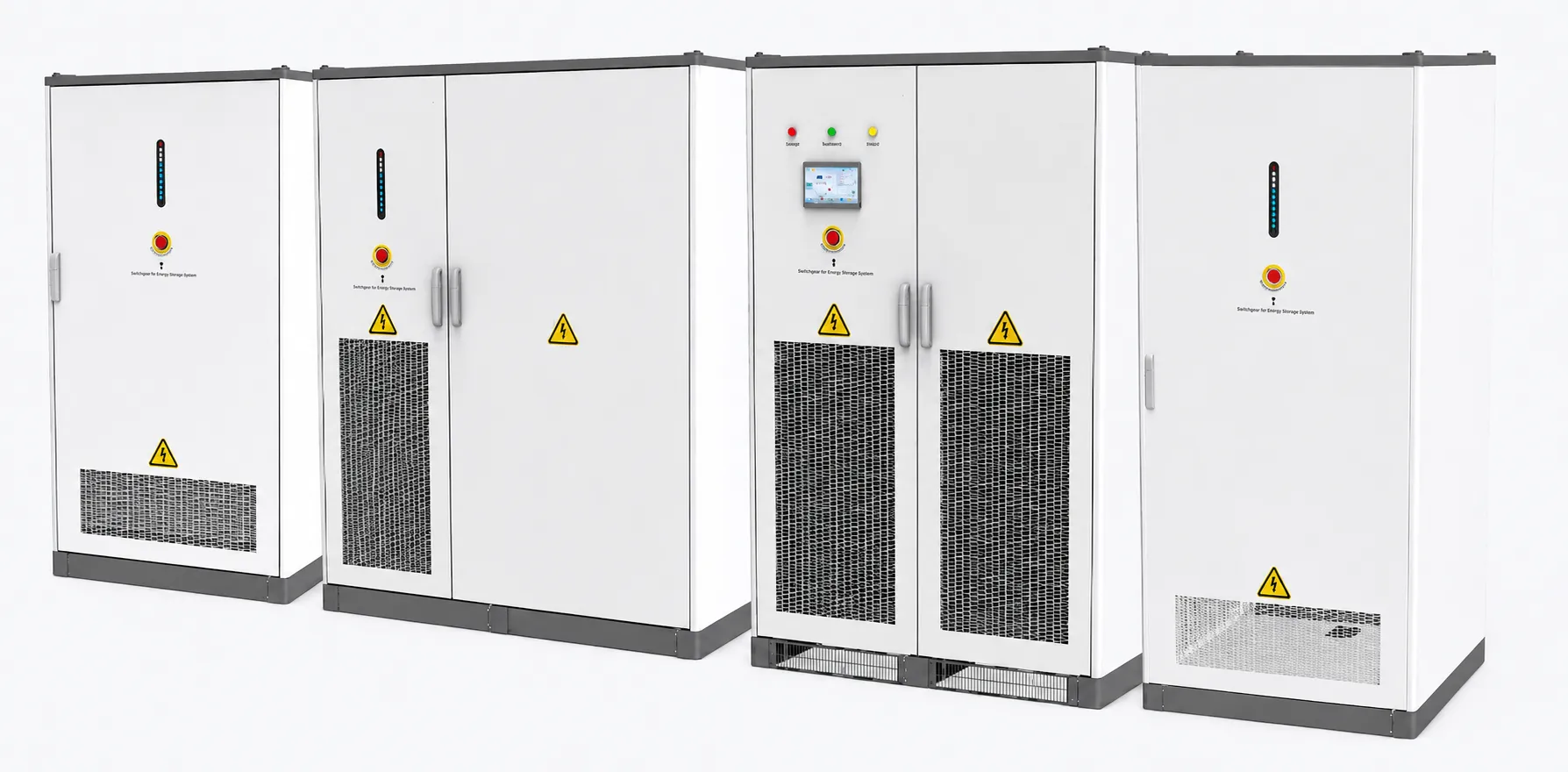
DC-Coupled Grid-Forming PV-Storage Hybrid System
A DC-coupled grid-forming / off-grid PV-storage system (PV-storage-diesel hybrid) offering seamless switchover to off-grid operation without loss of power, higher DC-coupled charging efficiency, larger installable PV capacity and external multi-channel PV MPPT in place of combiner boxes.
View
Clean Energy
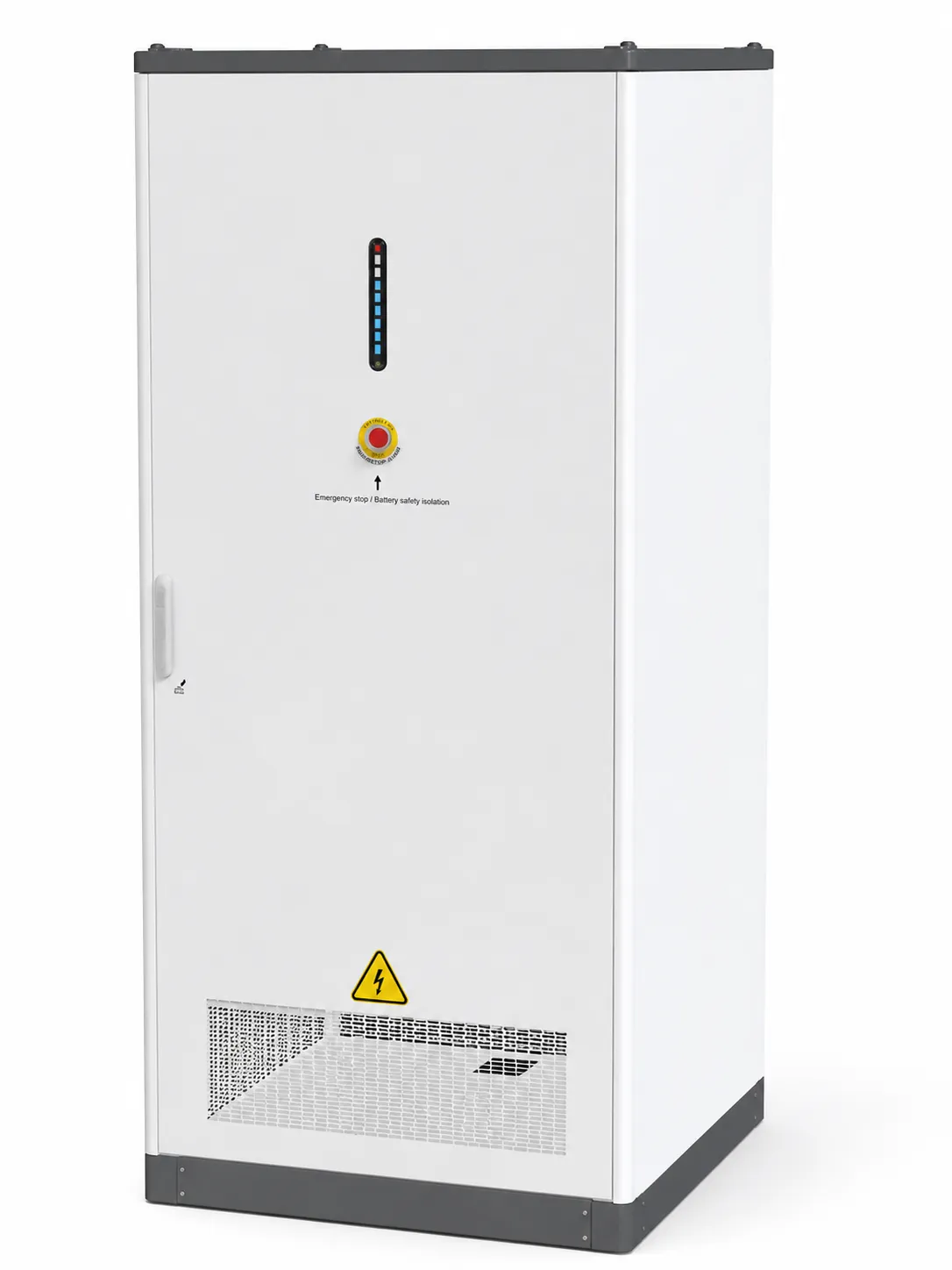
Battery Energy Storage System
A compact 200–225 kWh battery energy storage system with three-level BMS and multi-cluster parallel batteries, plus optional PV DC-coupled access through a hub-and-spoke MPPT controller and a unified DC input for protected battery charging.
View
Clean Energy
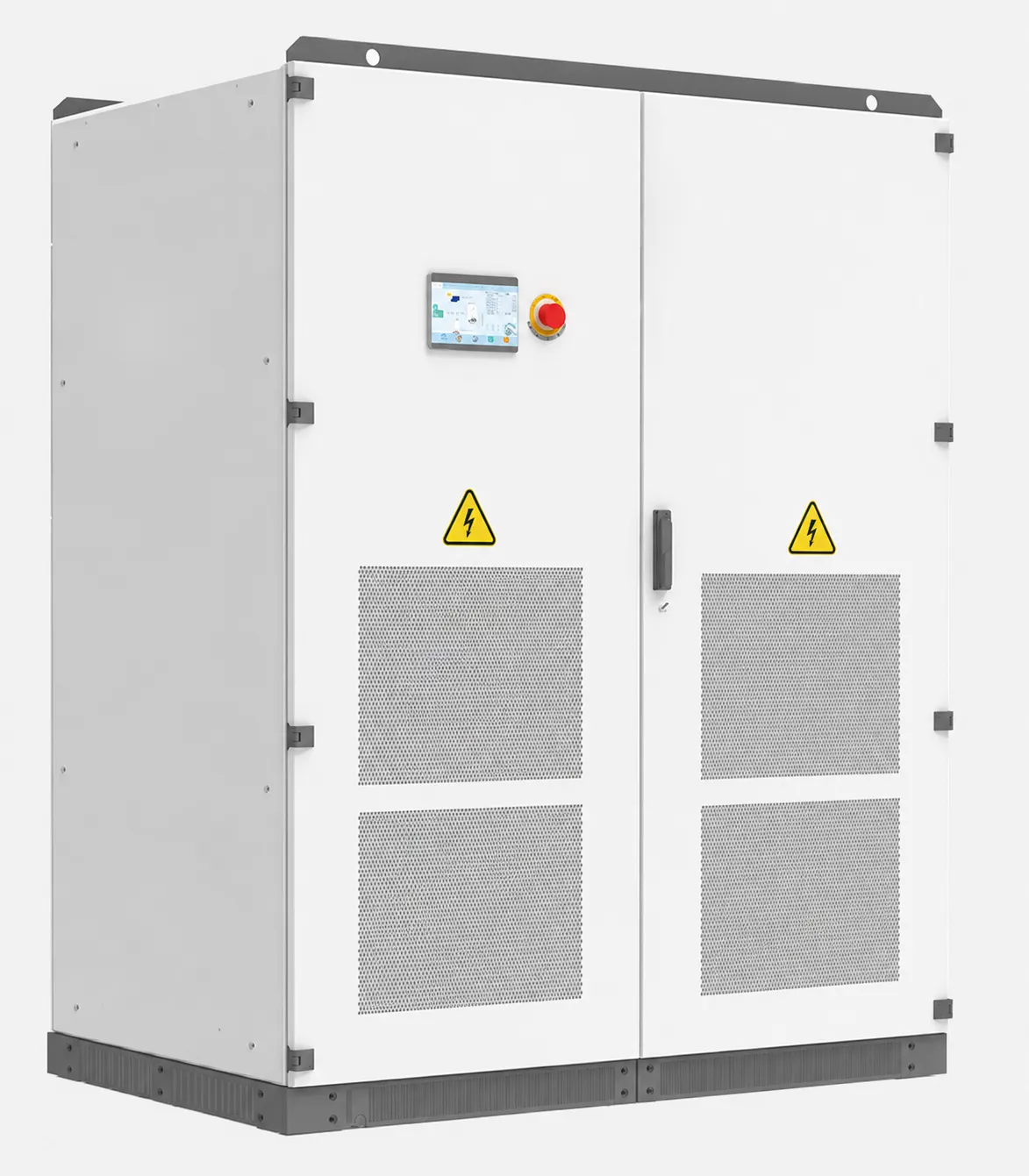
MW-Level Grid-Connected & Off-Grid System
A highly integrated, MW-scale grid-connected and off-grid energy system with PV DC access and MPPT (a DC-coupled PV-ESS microgrid), integrated BMS/PCS/EMS control, a built-in STS with sub-20 ms source switching and 1+1 parallel operation.
View
Request a quote