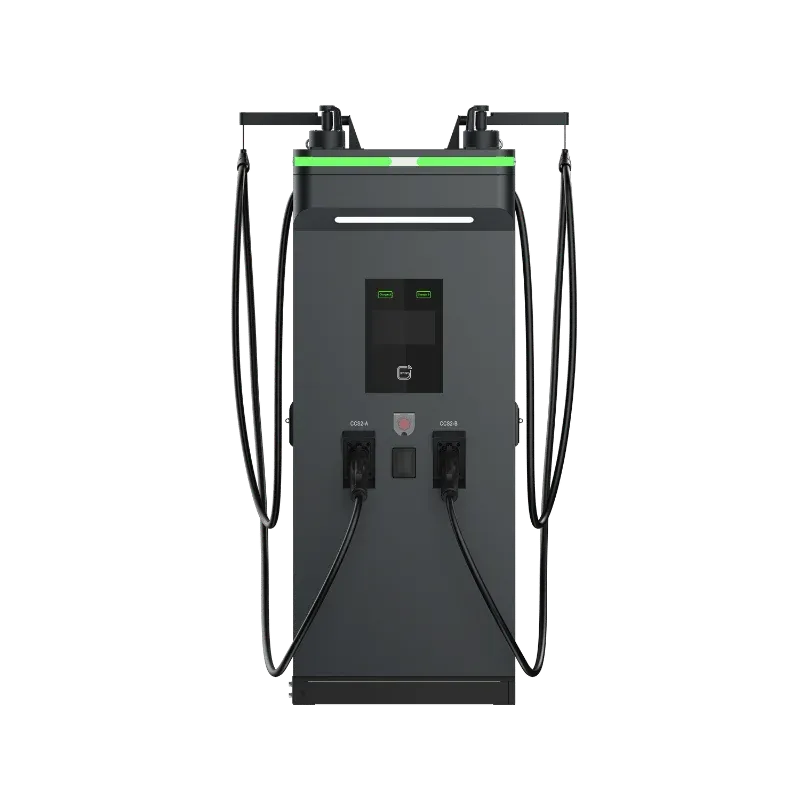
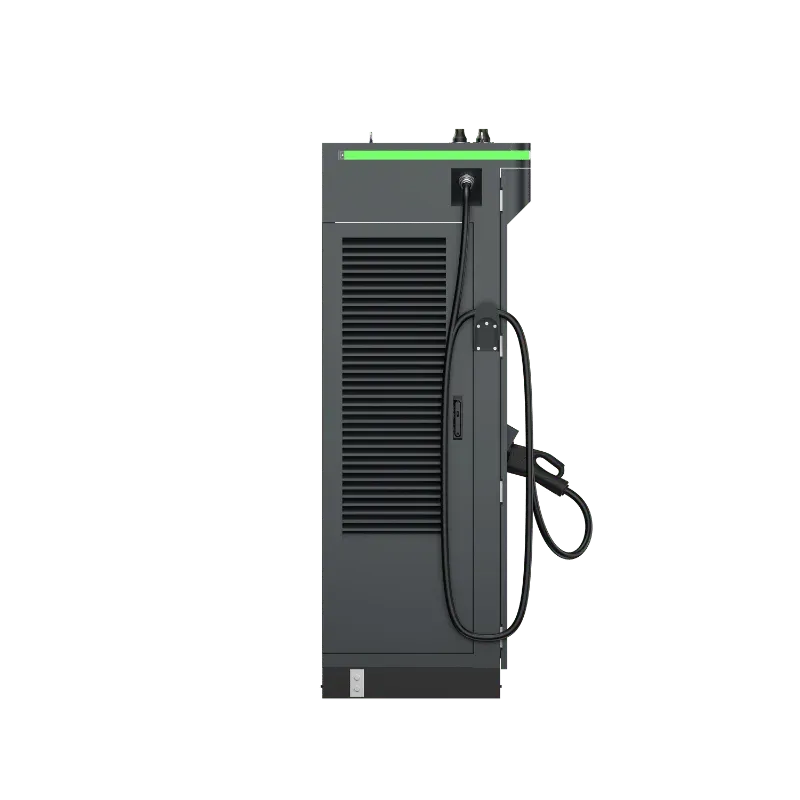
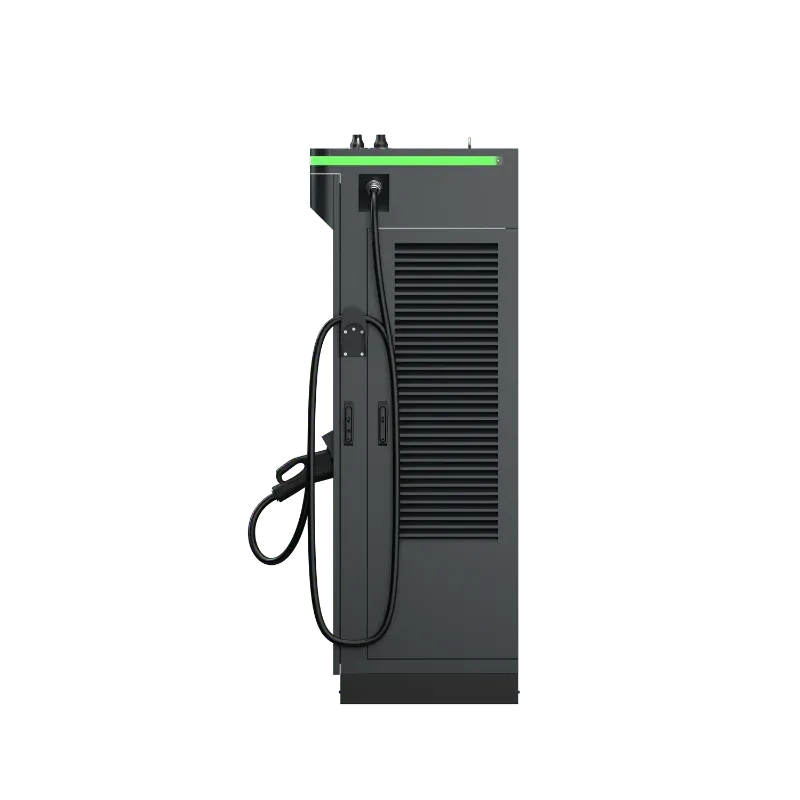
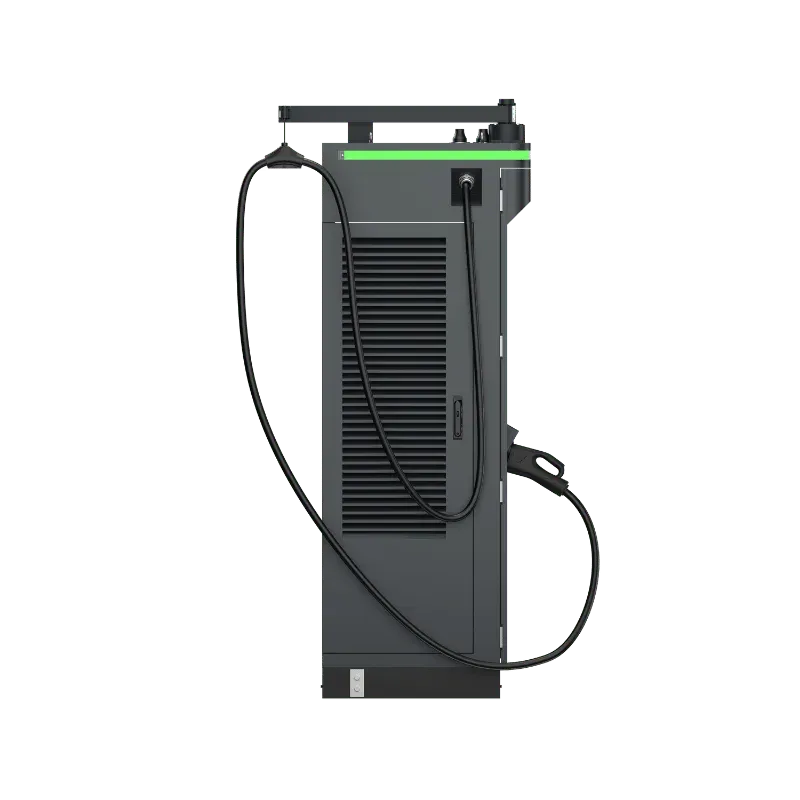
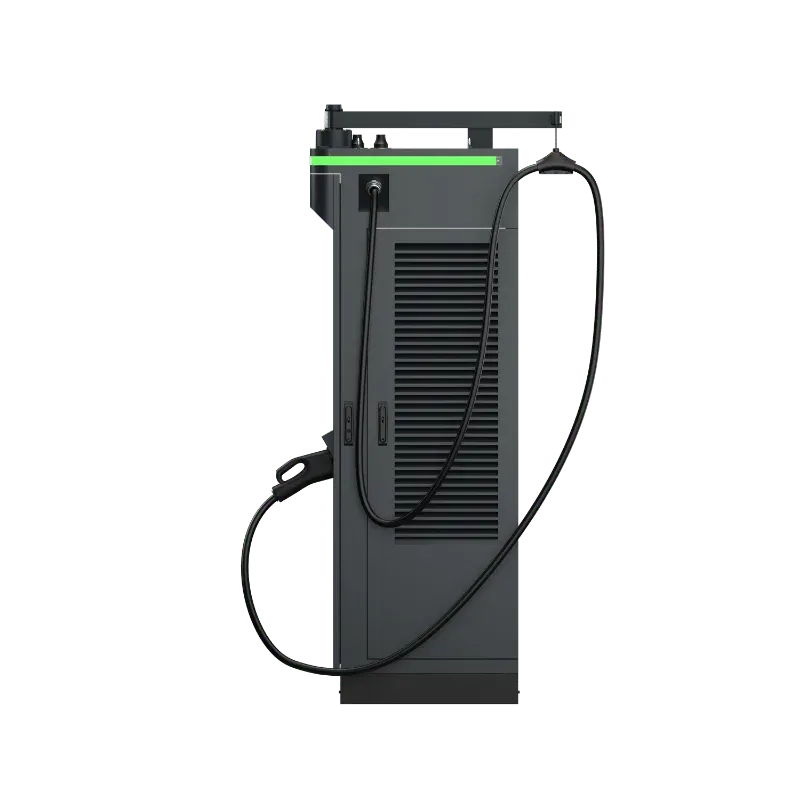
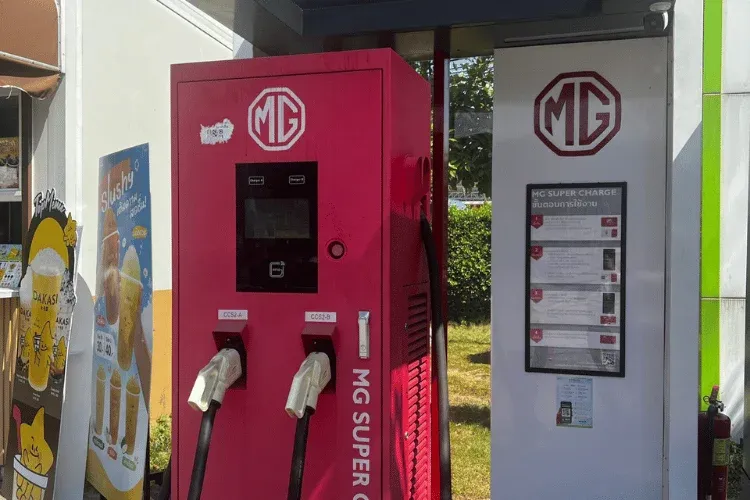
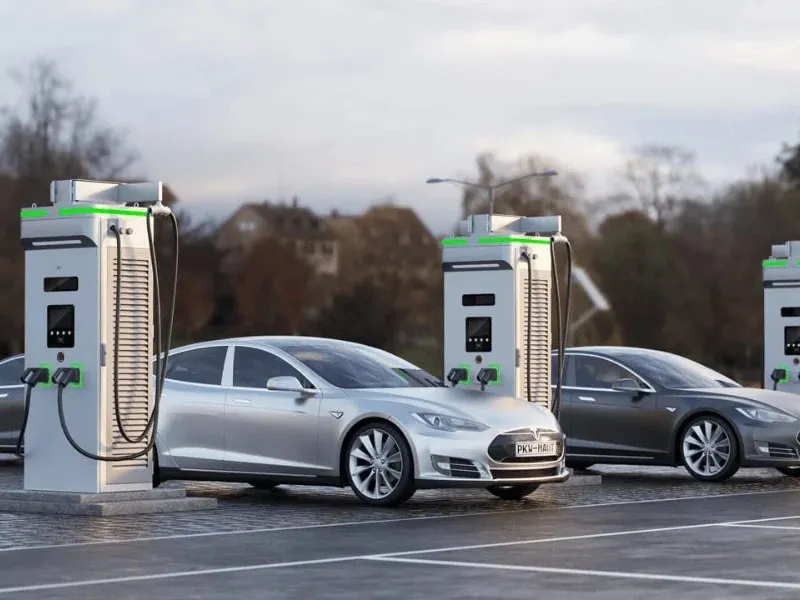
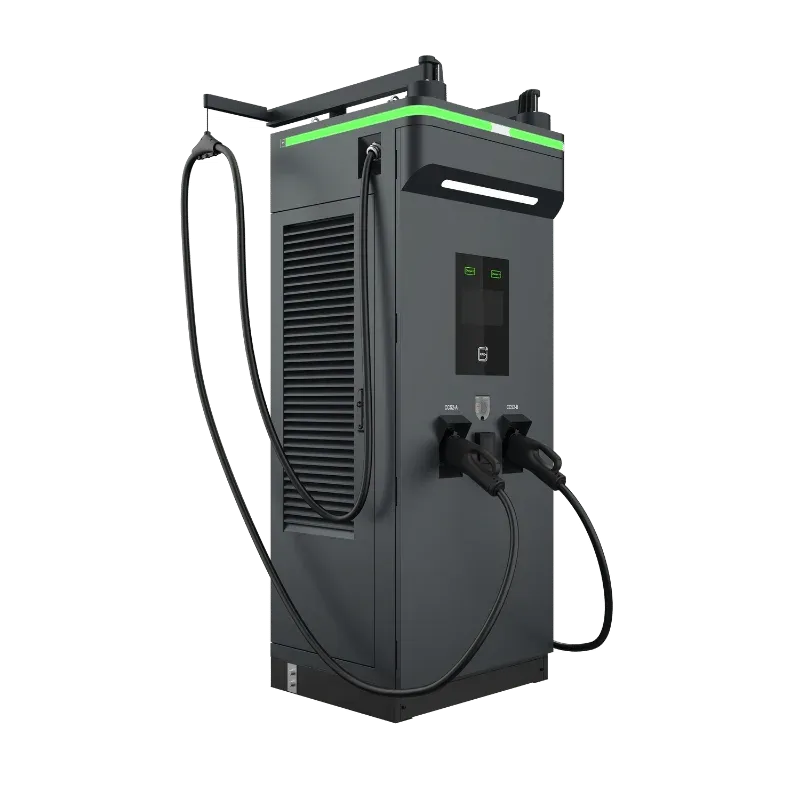
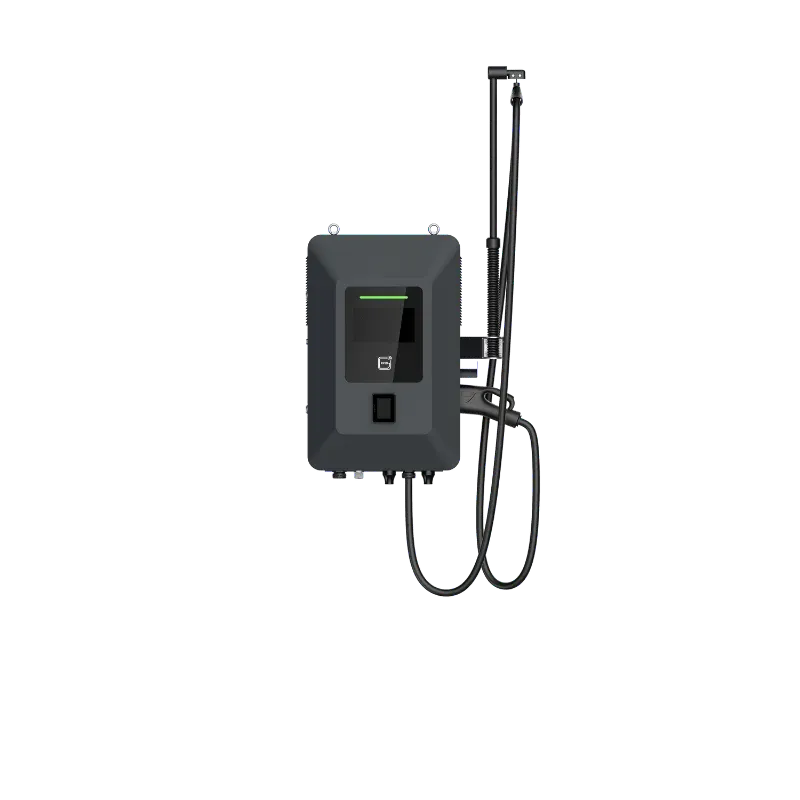
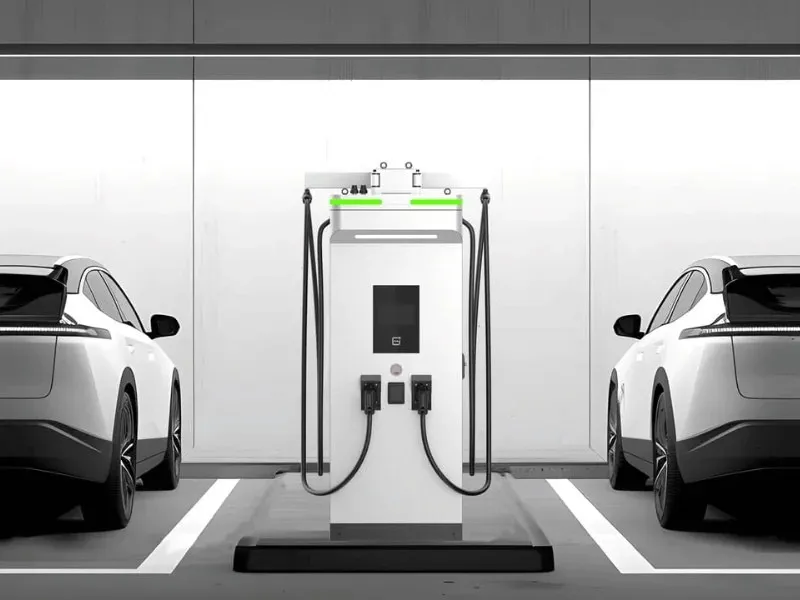
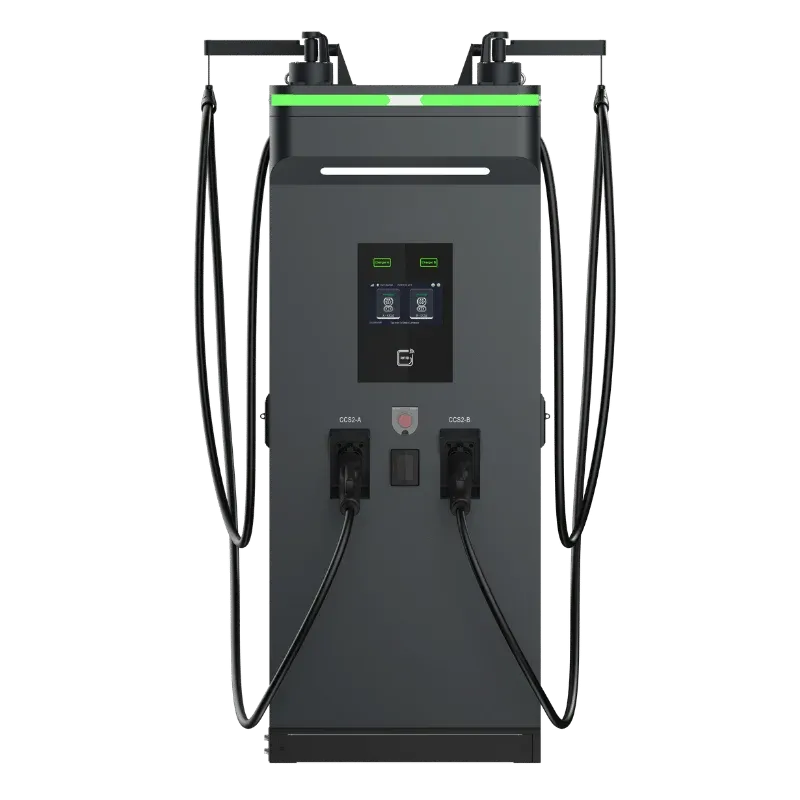
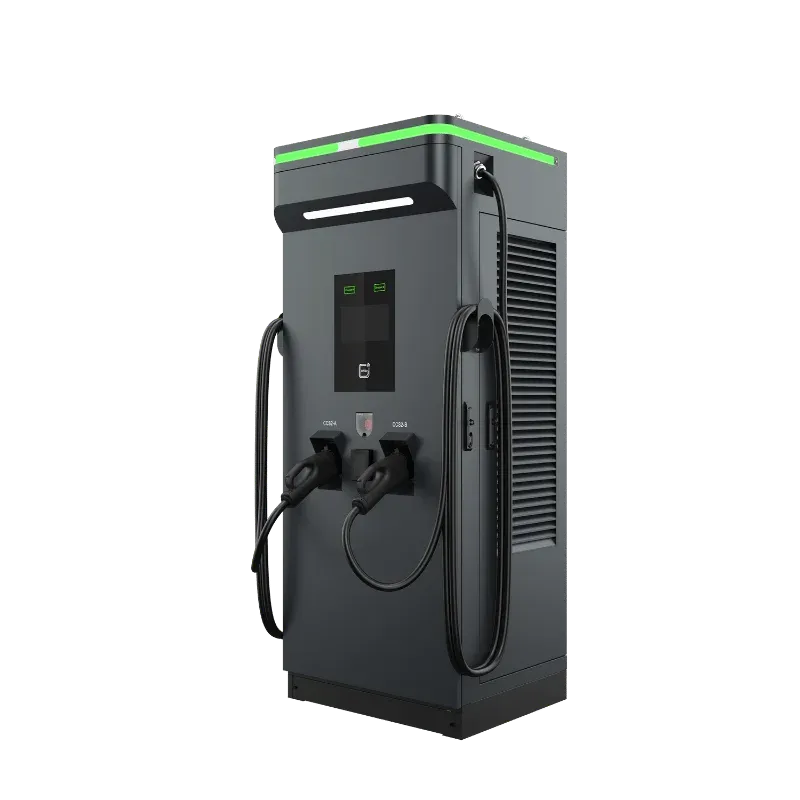
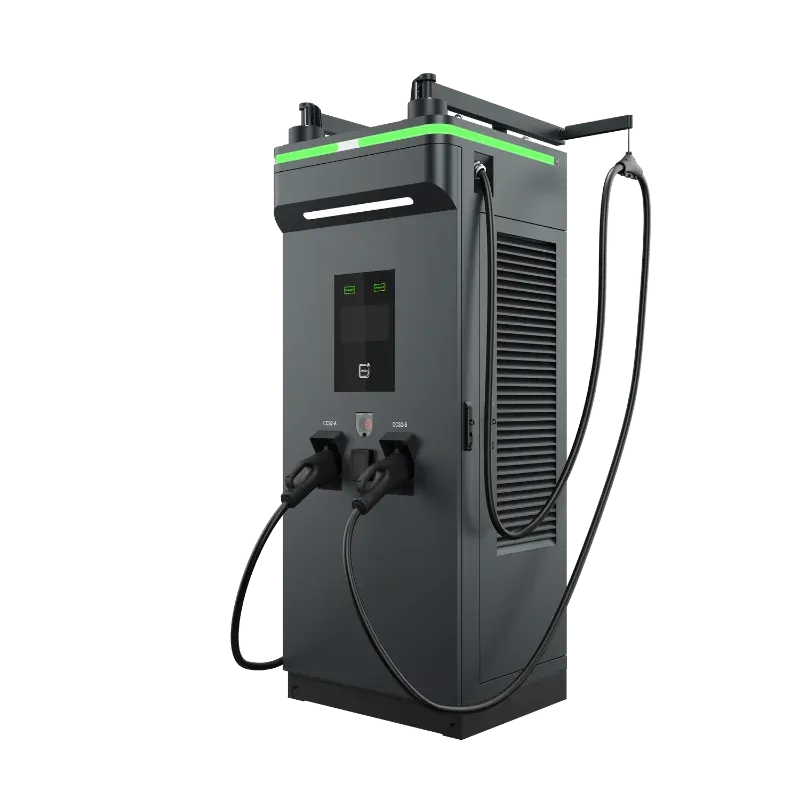
The Rocket series is a floor-standing DC ultra-fast charger for charging-network operators and commercial sites, offered in 160, 240 and 300 kW. A modular constant-power architecture and dual CCS2 connectors let two vehicles charge simultaneously while power is allocated intelligently between them, and the wide 200–1000 V output supports both current and next-generation EV platforms. A 10.1” touchscreen, OCPP 1.6 connectivity and an MID-certified meter make it ready for managed, billable public charging.
EV Charging & PV-Storage-Charging
Rocket DC Ultra-Fast EV Charger
160 / 240 / 300 kW · Dual CCS2


1 / 16
Overview
A high-power DC ultra-fast charger for public and commercial charging networks, available in 160, 240 and 300 kW with dual CCS2 connectors, a 200–1000 V wide-voltage output and intelligent power allocation for back-to-back fast charging.
Entogo, a Canadian company, builds the Rocket DC Ultra-Fast EV Charger in its own factory in China with a vertically integrated supply chain — factory-direct pricing, shipping in 4–8 weeks, and a minimum 36-month manufacturer warranty backed by Entogo Inc. in Toronto.
Key features
- Three power levels (160 / 240 / 300 kW) to match site capacity and investment strategy.
- Dual CCS2 connectors charge two vehicles at once with intelligent power allocation.
- 200–1000 V wide-voltage output supports current and future EV platforms.
- 10.1" colour touchscreen with six-language support.
- Multiple start modes — app, QR code, RFID card and optional POS terminal.
- Up to 95.5% efficiency with power factor ≥0.99 and THD ≤5% at full load.
- MID-certified meter for accurate, billable energy measurement.
- Type A RCD and emergency stop for site and operator safety.
Get a quote
Lead time
4–8 weeks
Order now for estimated delivery Dec 2026 – Jan 2027.
Keep reading
Related insights
EV Charging
What does it actually cost to install a DC fast-charger station? A 2026 breakdown
Public ranges for "DC fast-charger installation cost" span $50,000 to over $1 million per site — too wide to be useful. The Atlas/Paren analysis of NEVI awards, NREL deployment data and Rocky Mountain Institute rate-design work converge on a tighter cost stack, and on which lines actually move.
View
EV Charging
How much power does an electric truck depot need? Sizing from kWh per day and dwell time
A 30-tractor depot running 180 mi a day at 2.0 kWh/mi moves 10,800 kWh to the batteries, needs 1,451.6 kW of average AC power across an 8-hour window and a 2,000 kVA transformer. Energy sets the floor; NEC 625.42 and CEC 8-106(10) set the code load.
View
E-Mobility
Related products
E-Mobility
Turbo DC Fast EV Charger
A 60–120 kW DC fast charger for public and commercial sites, with a 200–1000 V output range, dual-connector options across CCS2, CHAdeMO and GB/T, smart-grid integration and remote operation and maintenance.
View
E-Mobility
Photovoltaic-Storage Supercharging Stack
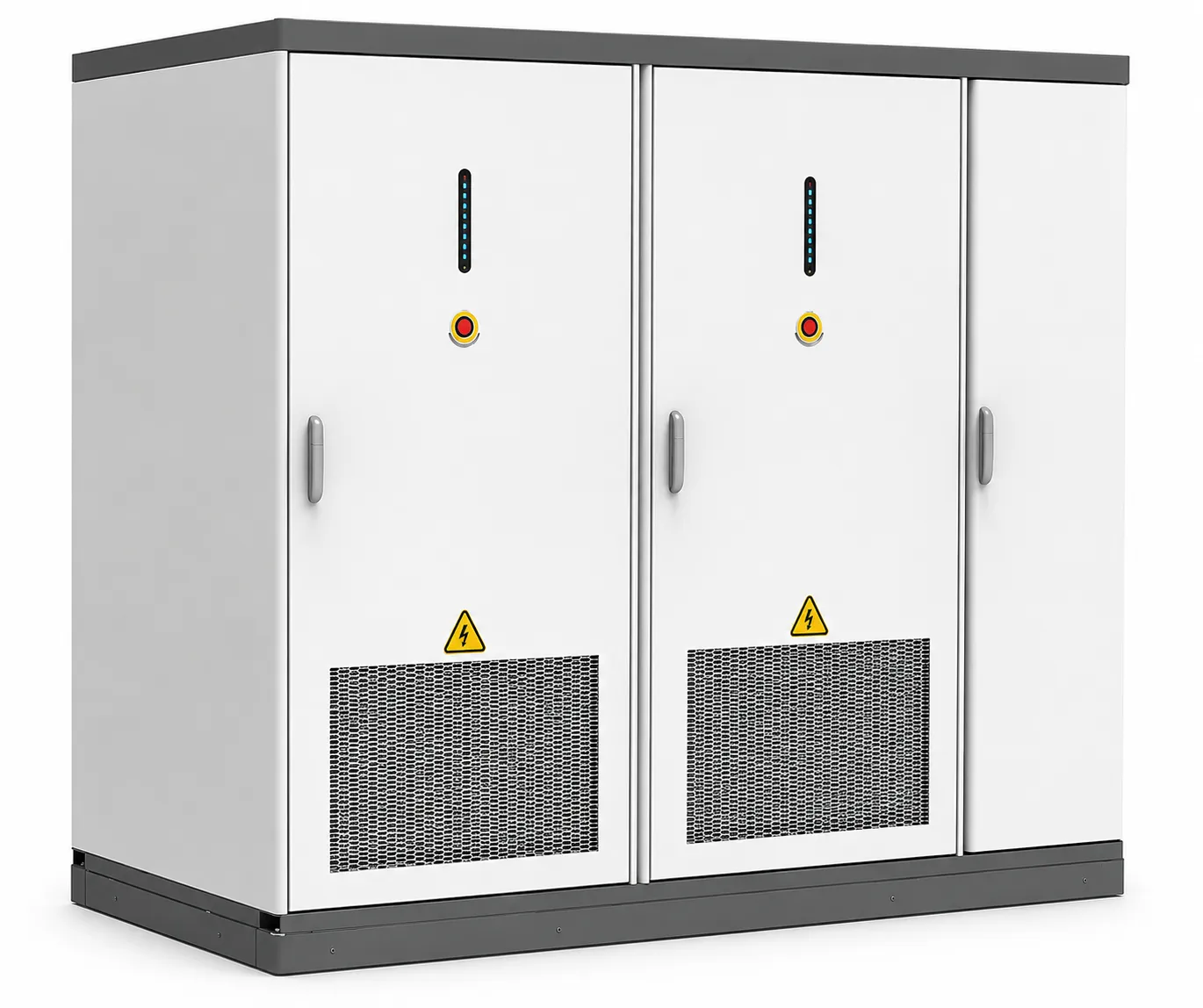
A photovoltaic-storage supercharging stack for large charging stations: 2×125 kW PCS and 2×261 kWh (522 kWh) of storage deliver 480 kW of charging while needing only a 250 kVA transformer, dramatically reducing the required grid-connection capacity.
View
E-Mobility
Mobox Compact DC Fast EV Charger
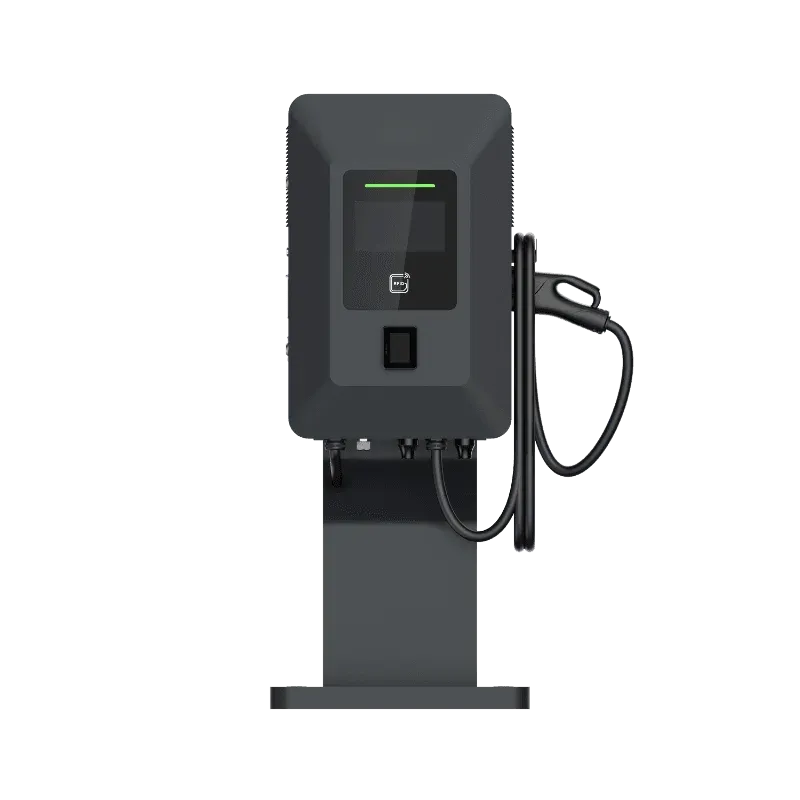
A compact 40 kW DC fast charger for sites with limited space or grid capacity — public stations, parking facilities and fleet depots — with a 200–1000 V output, single CCS2 connector and wall- or pole-mount installation.
View
Request a quote