Entogo
Dry-Type Transformers
Compare construction and electrical function before selecting a dry-type unit.
Dry-type describes construction; isolation describes the separation between circuits. Cast-resin, non-encapsulated and wound-core options therefore need not be competing products. Compare winding design, losses, ventilation, enclosure, fire requirements and the actual load before choosing a unit.
Available construction options include cast-resin and non-encapsulated dry-type designs. Construction, electrical isolation and load duty are different selection criteria. State the required winding insulation, load profile and installation environment in your inquiry.

Dry-Type Transformers
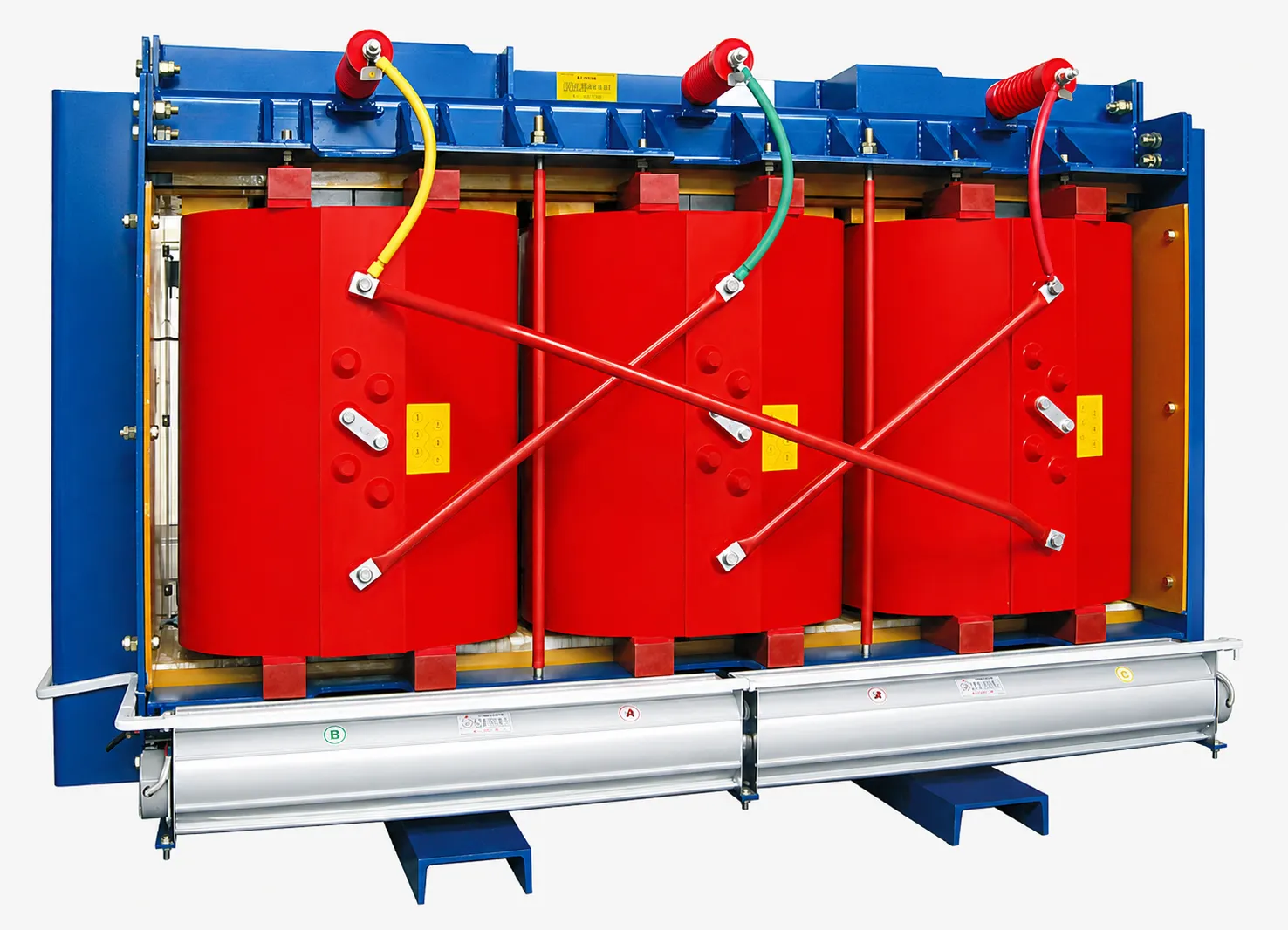
Three-Phase Dry-Type Distribution Transformer
A three-phase ventilated dry-type distribution transformer for indoor commercial/industrial service — 15–2500 kVA, low-voltage 600 V class (480 to 208Y/120) and medium-voltage to 35 kV class, 220 °C insulation. Designed to UL 1561/1562, CSA C9 and DOE 10 CFR 431; UL/CSA certifiable.
View
Dry-Type Transformers
Amorphous-Core Dry-Type Transformer (High-Efficiency)
A high-efficiency amorphous-metal-core dry-type transformer with very low no-load loss, low noise and low partial discharge — 30–2500 kVA, medium-voltage primary to 35 kV class stepping down to 480/208 V, fire-safe. Designed to UL 1562, CSA C9/C802.2 and DOE 10 CFR 431; UL/CSA certifiable.
View

Dry-Type Transformers
Three-Dimensional Wound-Core Transformer (Low-Loss)
A three-dimensional (triangular) wound-core distribution transformer with a closed, symmetric core for lower no-load loss, balanced flux, low noise and high short-circuit withstand — oil-filled or dry-type, 15/25/35 kV class, 60 Hz. Designed to IEEE C57/UL and DOE 10 CFR 431; UL/CSA certifiable.
View
Dry-Type Transformers
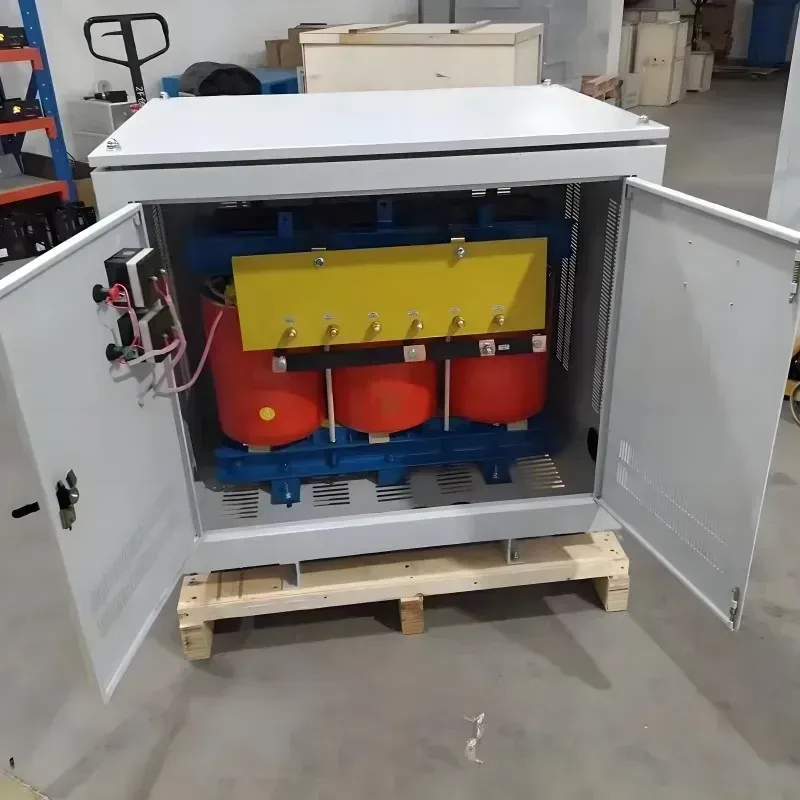
Electrical Isolation Transformer
Entogo supplies electrical isolation transformers with separate primary and secondary windings. Select voltage ratio, kVA, shielding, grounding and enclosure for the load; isolation duty and dry-type construction are distinct requirements.
View
Design references
Power & Distribution
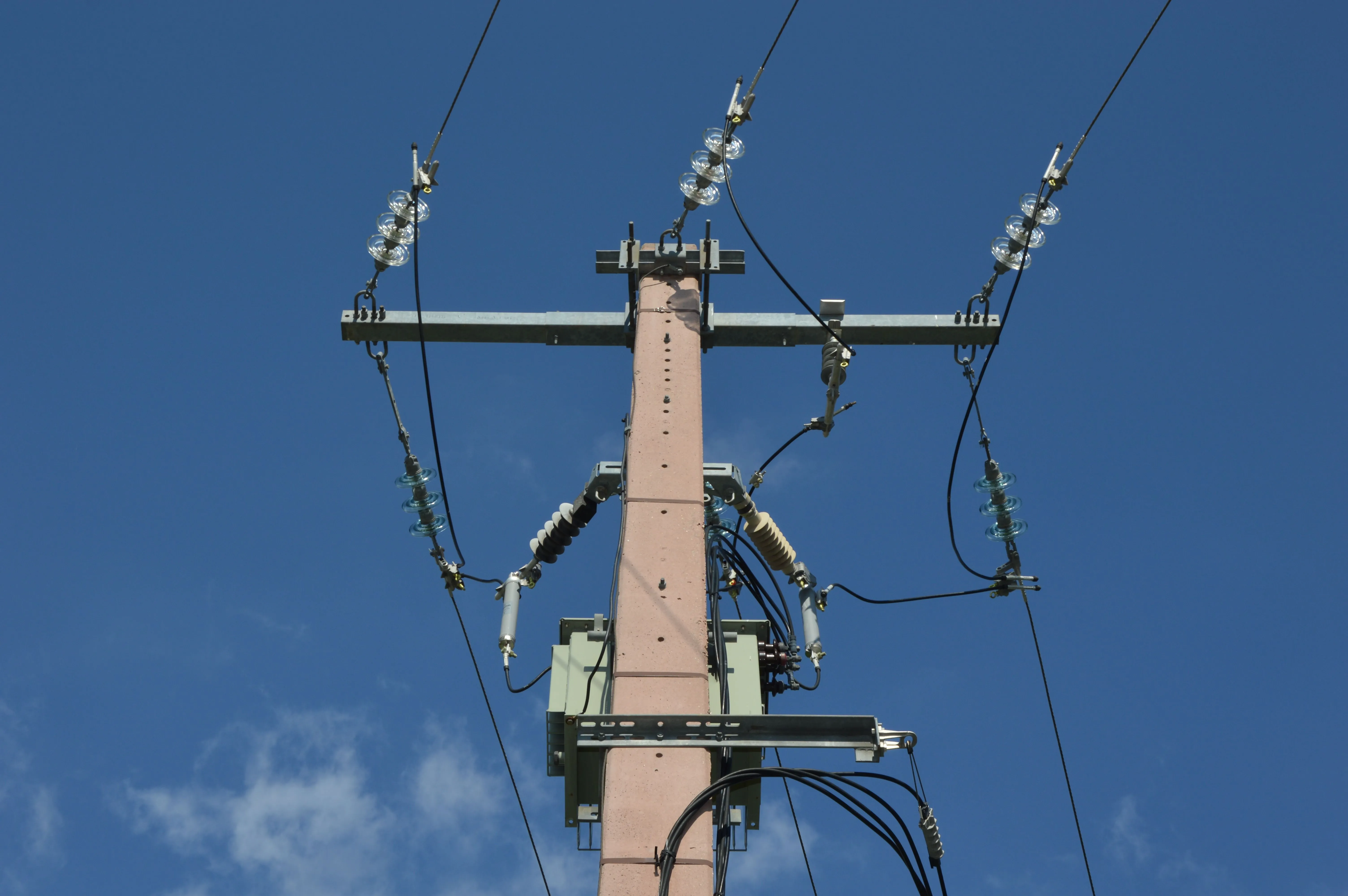
Dry-type vs. liquid-filled transformers - how to choose
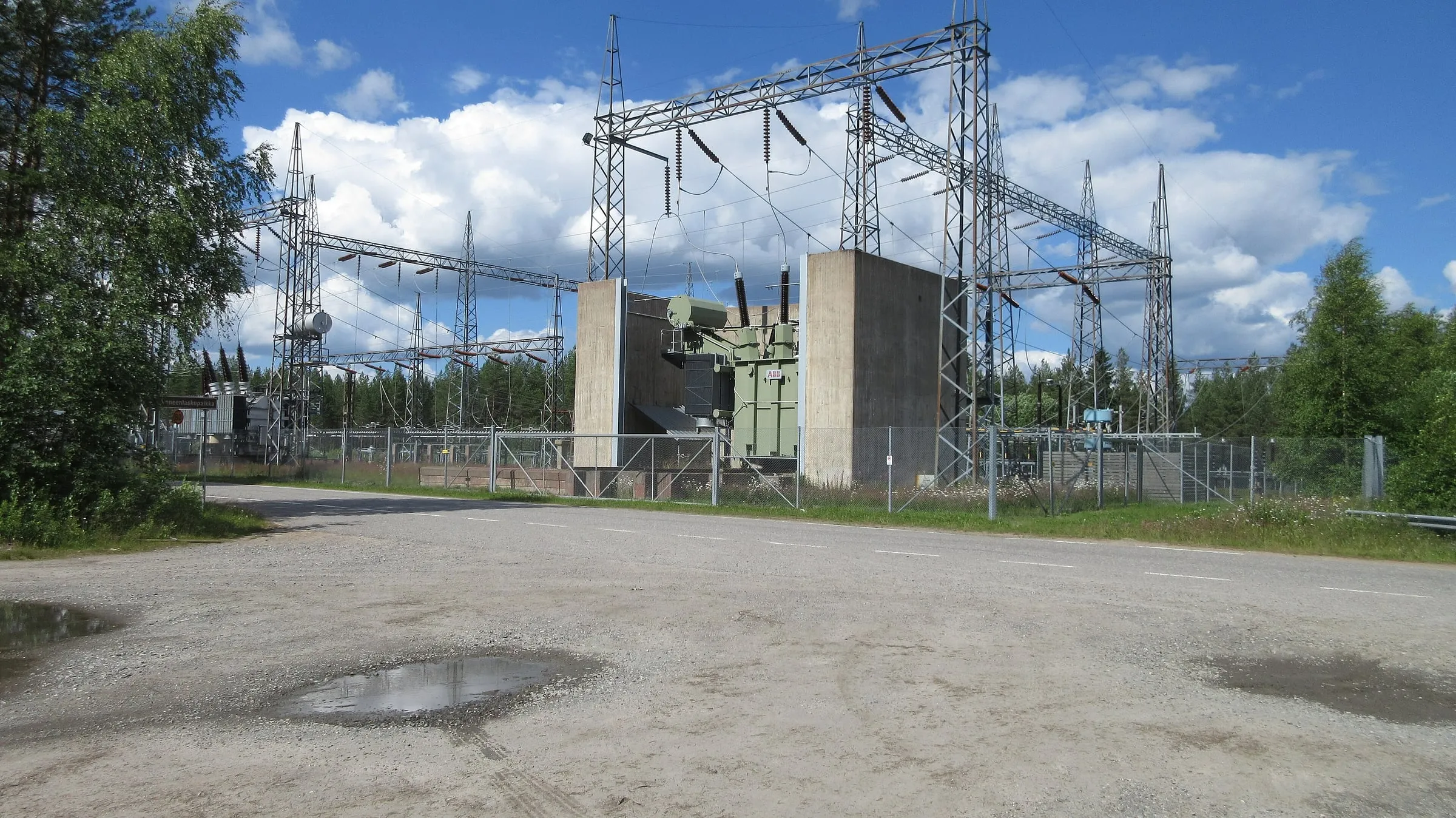
Dry-type transformers cool with air and solid insulation while liquid-filled units use mineral or less-flammable oil. The right pick turns on installation location, fire and code rules, voltage class, efficiency, and maintenance - not on which type is generally better.
View
Power & Distribution
Total owning cost of a transformer: how to evaluate losses in a bid
Total owning cost adds the capitalized value of no-load and load losses to the purchase price. At 14.53 cents per kWh over 10 years the A factor is 8.54 dollars per watt and the B factor 1.73 at rated load, the break-even A factor is 6.30, and a bid 3,400 dollars dearer wins by 1,208 dollars.
View
Power & Distribution
How long can transformer secondary conductors be? NEC 240.21(C) tap rules and CEC 26-256
Transformer secondary conductors get no next-size-up rule. NEC 240.21(C) allows 10 ft and 25 ft runs with ampacity floors of one-tenth and one-third of the primary device times the voltage ratio; CEC 26-256 instead demands 125% of rated secondary current at any length.
View
For Canadian and US projects, include the utility specification, service frequency and required approvals. State whether the order is for the transformer alone or an integrated equipment package.
Discuss your equipment requirements
Browse equipment families
Compare equipment by function and installation. Product pages identify the available scope and the information needed for a quotation.