Why does battery storage need a fire code of its own?
Lithium-ion batteries store a large amount of energy in a small space, and when a cell fails it can enter thermal runaway — a self-heating reaction that vents flammable gas and can cascade to neighboring cells. That failure mode is unlike anything a transformer or switchboard presents, so North American jurisdictions adopted a dedicated rulebook. The governing document is NFPA 855, the Standard for the Installation of Stationary Energy Storage Systems, which is pulled into the International Fire Code (IFC, Section 1207) and works alongside NEC Article 706 for the electrical side. Together they decide how large a system can be, how far apart its parts must sit, and what evidence a manufacturer has to put on the table before a permit is issued.
For a buyer, the practical question is not whether a given battery is safe in isolation, but whether a configuration will pass the authority having jurisdiction (AHJ) — and what that costs in floor space and added protection.
What does NFPA 855 actually control?
NFPA 855 is a siting and installation standard, not a product standard. It governs spacing, fire detection, ventilation, explosion control, and the documentation an installer must submit.
Unit size and separation
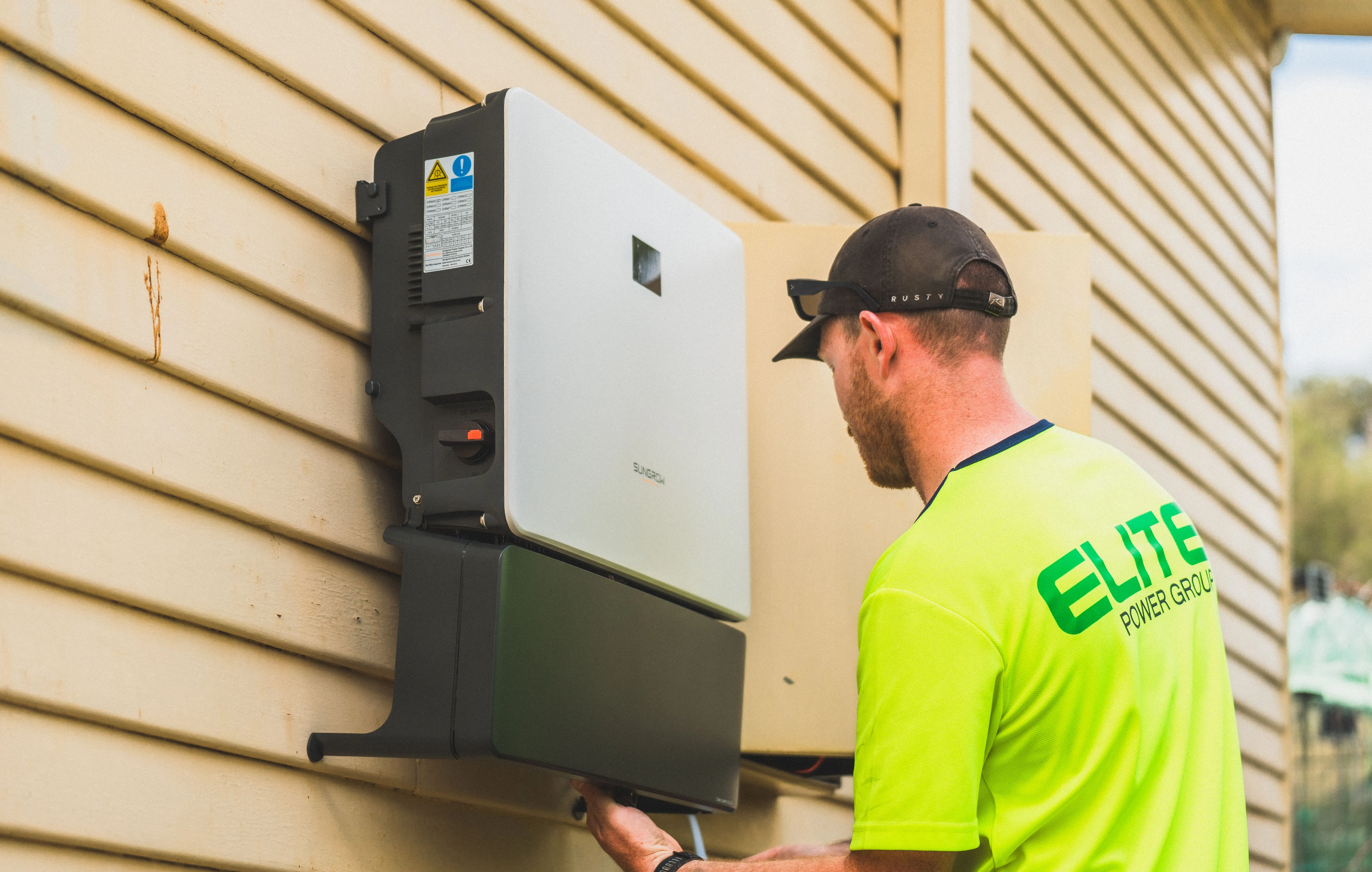
For lithium-ion systems, NFPA 855 limits an individual ESS unit to a maximum stored energy of 20 kWh (Section 15.7) and requires a minimum three-foot separation between units (Section 15.5) and three feet from doors and windows (Section 15.6.1). The three-foot unit spacing is a default minimum that applies unless smaller distances are documented as adequate through large-scale fire testing and approved by the AHJ.
| Requirement | Default limit | NFPA 855 section |
|---|---|---|
| Max stored energy per Li-ion unit | 20 kWh | 15.7 |
| Spacing between units | 3 ft | 15.5 |
| Spacing from doors and windows | 3 ft | 15.6.1 |
Those defaults are deliberately conservative. They assume nothing is known about how a given product behaves in a fire, so the code keeps units small and spread out.
Residential versus larger installations
Residential systems carry aggregate caps tied to location. NFPA 855 allows roughly 40 kWh inside a utility or storage space within a dwelling and up to 80 kWh in an attached or detached garage, a detached accessory structure, or outdoors (Section 15.7.1). Commercial and utility-scale installations move past these residential thresholds into requirements for fire detection, suppression or controlled burndown, deflagration venting, and — critically — large-scale fire-test evidence.
How does UL 9540A change the math?
The defaults above can be relaxed, but only with data. UL 9540A is a test method for evaluating thermal-runaway fire propagation in battery energy storage systems; it answers one question — when a failure is forced in one cell, does the fire spread to the next module, unit, or installation? The method is run at escalating scales (cell, module, unit, and installation), and the resulting report is what lets a designer justify spacing tighter than the three-foot default, when the AHJ accepts it.
It is important not to confuse the two UL numbers. UL 9540 is the product safety standard for the complete energy storage system and its equipment — the listing that the system as built is safe. UL 9540A is a separate fire-propagation test that feeds the siting decision. A complete BESS package should be backed by both, and a buyer should ask which test scale the 9540A report covers, because installation-level data carries far more weight with a fire marshal than a single-cell result.
Where do the trade-offs land?
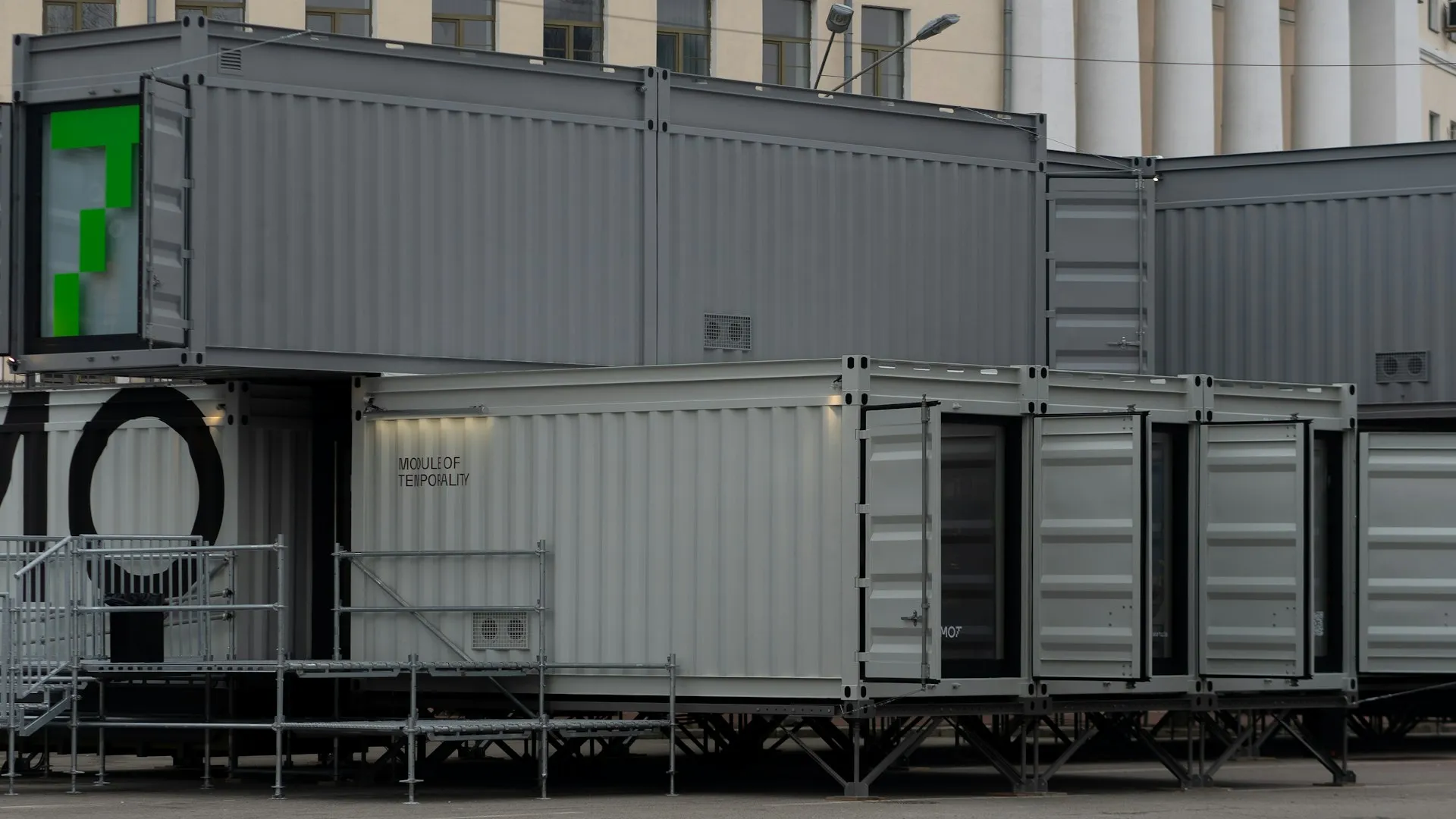
Two design choices dominate the siting outcome: chemistry and thermal management. Liquid-cooled battery systems hold cells in a tighter, more uniform temperature band, which supports denser packaging and more predictable fire-test behavior; air-cooled designs are simpler but tend to need more spacing margin. Where land is available, an outdoor containerized system keeps the hazard away from occupied buildings and simplifies explosion control; indoors, the same energy must be broken into smaller units with detection and venting engineered into the room.
For grid-tied projects, the storage block does not stand alone — it has to meet the utility at the point of interconnection under IEEE 1547, which shapes the protection and grid-connection equipment around the battery as much as the battery itself.
What should a buyer specify?
A defensible BESS specification ties every requirement back to a governing document:
- UL 9540 listing for the complete system, designed and built to the standard
- UL 9540A fire-propagation test report at the scale that matches the installation (unit or installation level)
- NFPA 855 compliance package — spacing, detection, explosion control per NFPA 68/69, and the hazard mitigation analysis the AHJ will request
- NEC Article 706 / CEC documentation for disconnects, working clearances, and conductor sizing
- A clear statement of indoor versus outdoor rating and the aggregate energy per fire area
Asking for these up front prevents the most common failure mode — a system that is electrically sound but cannot be permitted in the space available.
Building to the code from the start
Fire safety is least expensive when it is engineered in rather than bolted on. Entogo’s battery energy storage systems, together with the commercial and industrial storage and renewable grid-connection solutions they support, are designed and built to UL 9540 and UL 9540A and specified against NFPA 855 and IEEE 1547, with UL (cULus)/CSA certification available on request. Vertically integrated manufacturing means the enclosure, cooling, and protection are coordinated to a specific site’s siting constraints rather than retrofitted to them, and engineering support is available to assemble the documentation an AHJ will ask for. To scope a system against a particular site, contact the engineering team.