Why a battery system is sized with two numbers, not one
Every battery energy storage system carries two independent ratings, and conflating them is the most common sizing error a buyer makes. The U.S. Energy Information Administration defines them plainly: power capacity is “the maximum instantaneous power output available, measured in megawatts (MW),” while energy capacity is “the maximum energy that can be stored or discharged during one charge-discharge cycle, measured in megawatthours (MWh).” A 2 MW / 8 MWh system and a 4 MW / 8 MWh system store the same energy but deliver it at very different rates, and they are not interchangeable on a site.
Power answers “how fast?” Energy answers “how long?” A demand-charge application that has to shave a sharp half-hour peak is driven by power; a facility that wants to ride through a multi-hour price window or an outage is driven by energy. Most grid-connected storage in North America is lithium-ion — EIA reports “more than 90% of operating battery capacity used lithium-ion based batteries” — so the sizing logic below assumes that chemistry and its behavior.
How power and energy connect through the C-rate
The ratio of the two ratings is the C-rate, and it is the inverse of duration. A system that discharges its full energy in one hour operates at 1C; a four-hour system runs at 0.25C. The arithmetic is fixed: duration (hours) = energy (MWh) ÷ power (MW). Set any two of power, energy, and duration and the third is determined. This single relationship is the backbone of every sizing conversation.
C-rate matters beyond the math. A higher C-rate — short duration, aggressive discharge — pushes more current through the cells, generates more heat, and tightens the demands on thermal management and enclosure design. That is why short-duration, high-power designs and long-duration, energy-heavy designs often use different cooling strategies; compare an air-cooled energy storage system with a liquid-cooled energy storage system built for sustained high-rate cycling. Choosing the ratio first, then the cooling, avoids paying for capability the application never uses.
What duration tells you about the application
Duration clusters by use case, and the published fleet data shows it. EIA notes that “batteries with a duration of less than two hours are considered short-duration batteries” and “almost all can provide grid services that help maintain grid stability,” while “batteries with a duration between four hours and eight hours are typically cycled once per day and are used to shift electricity from times of relatively low demand to times of high demand.” Through 2020, the U.S. fleet averaged “about 3.0 hours” of duration. National-lab cost modeling routinely analyzes systems “from 2 to 10 hours,” which brackets the range most commercial and utility buyers will actually consider.
| Application | Typical duration | Approx. C-rate | Sizing driver |
|---|---|---|---|
| Frequency and grid services | Under 2 h | Above 0.5C | Power |
| Demand-charge management | 1–2 h | ~0.5–1C | Power, then energy |
| Daily load shifting / arbitrage | 4–8 h | ~0.12–0.25C | Energy |
| Backup and resilience | Site-specific | Varies | Critical-load power plus energy |
Where each power-to-energy ratio makes sense
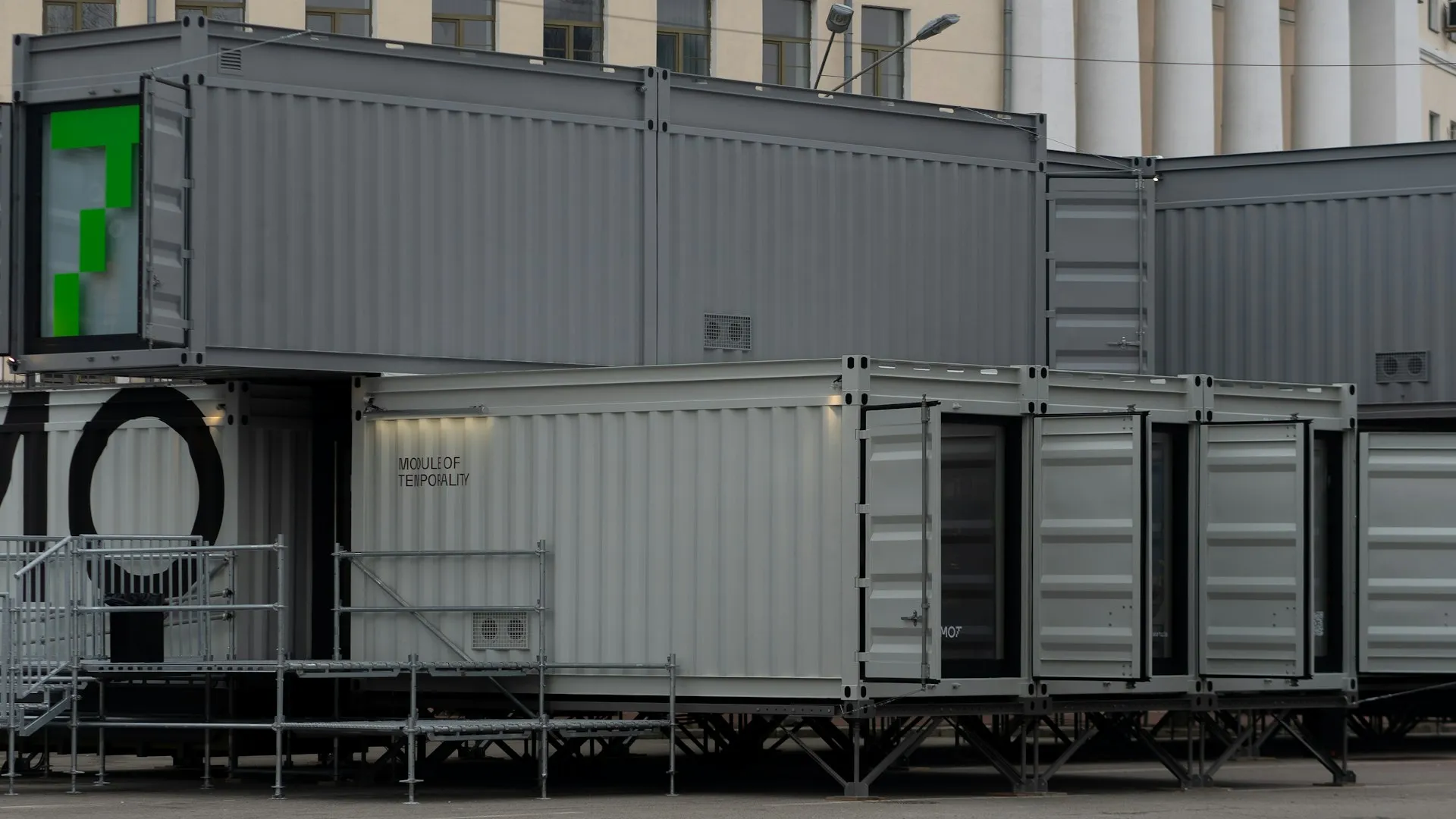
Power-heavy, short-duration designs suit sites whose problem is a brief, steep event: a demand spike, a motor start, or a grid frequency signal. Here the energy tank can be modest, but the inverter and cells must sustain a high discharge rate. Energy-heavy, long-duration designs suit shifting bulk energy across hours — pairing with solar, arbitraging time-of-use rates, or backing up a facility for an extended outage. A commercial site trimming utility charges typically lands in the power-led middle; a project firming renewable output leans energy-led, which is where a containerized battery energy storage system sized for daily cycling fits within a commercial and industrial storage program. Utility and generation-tied projects that must dispatch on a schedule fall under renewable grid-connection design, where the power-to-energy ratio is set by the interconnection agreement rather than by the load alone.
What a buyer should specify
Write the specification around three numbers, not one: the power rating, the energy rating, and the required duration — plus the point of connection. Then account for the gap between nameplate and usable output. Depth of discharge, round-trip losses from conversion and auxiliary loads, and thermal management all mean usable energy is less than nameplate energy; size to the usable figure, not the label. Plan for degradation as well: lithium-ion capacity fades with cycles and age, so decide up front whether to oversize on day one or augment capacity later to hold a guaranteed value to a contractual end-of-life point, and confirm which assumption the warranty is written against.
Treat the governing standards as integration context. A complete battery energy storage system in North America is designed and built to UL 9540 at the system level, with cells tested under UL 9540A for thermal runaway, installed under NFPA 855 for spacing and fire protection, and interconnected under IEEE 1547 when grid-tied. The grid interface itself — protection, metering, and the medium-voltage tie — is a design item in its own right, handled through a new-energy grid-connection cabinet rather than bolted on after the fact.
Getting the ratio right before procurement
Sizing errors are expensive because they surface late — a system that hits its power limit mid-peak, or empties before the price window closes, cannot be fixed by firmware. Settling power, energy, and duration against the actual load profile and interconnection point, before a purchase order, is what keeps a project on schedule. Entogo builds its storage lines in its own vertically integrated factory and pairs them with engineering support to match the power-to-energy ratio, cooling, and grid interface to the site — designed and built to UL 9540 and NFPA 855; UL (cULus)/CSA certifiable on request — backed by a warranty from 36 months up to 10 years on major power equipment and a one-business-day service response. For utilities and commercial buyers alike, getting the two numbers right is where a durable system starts.