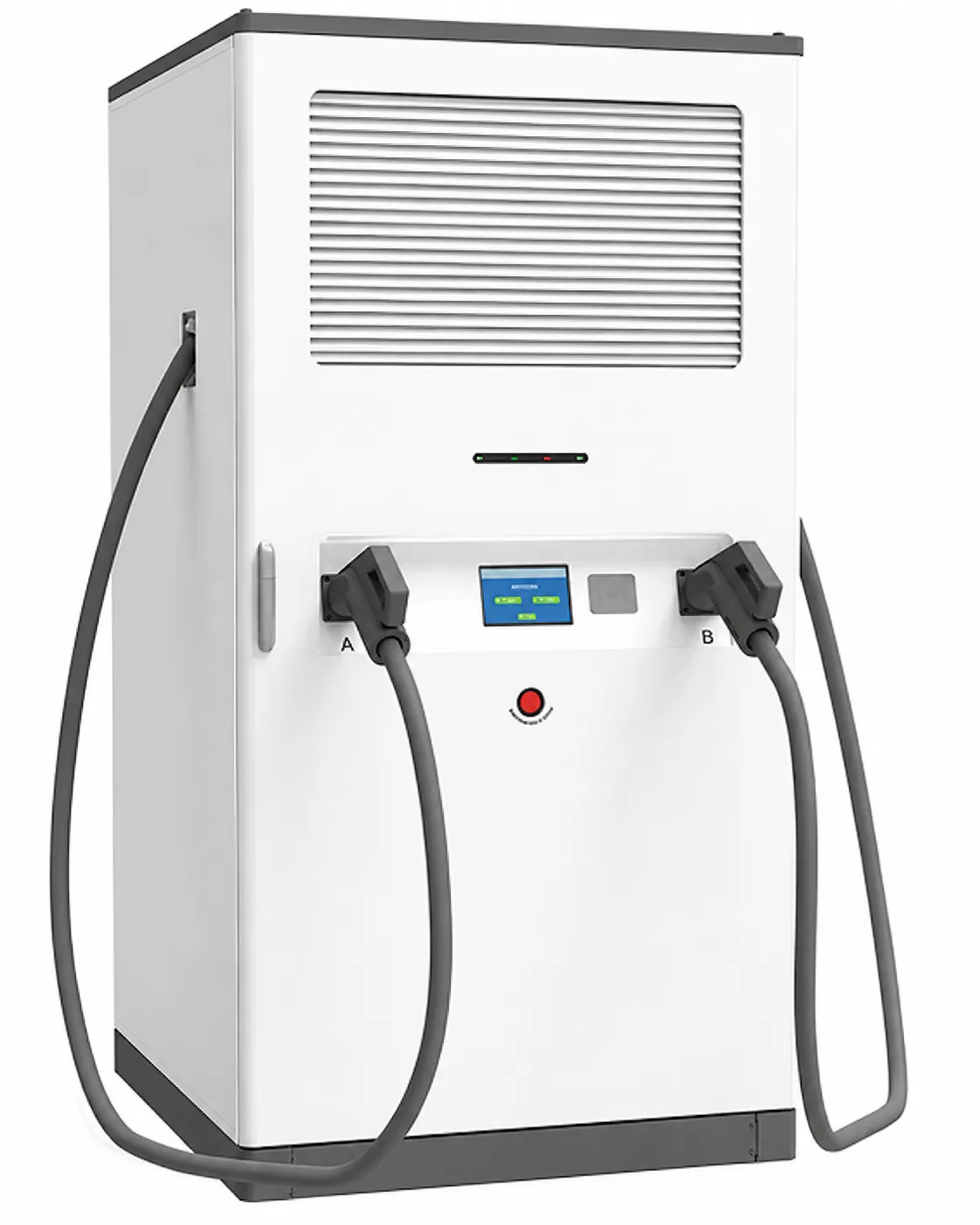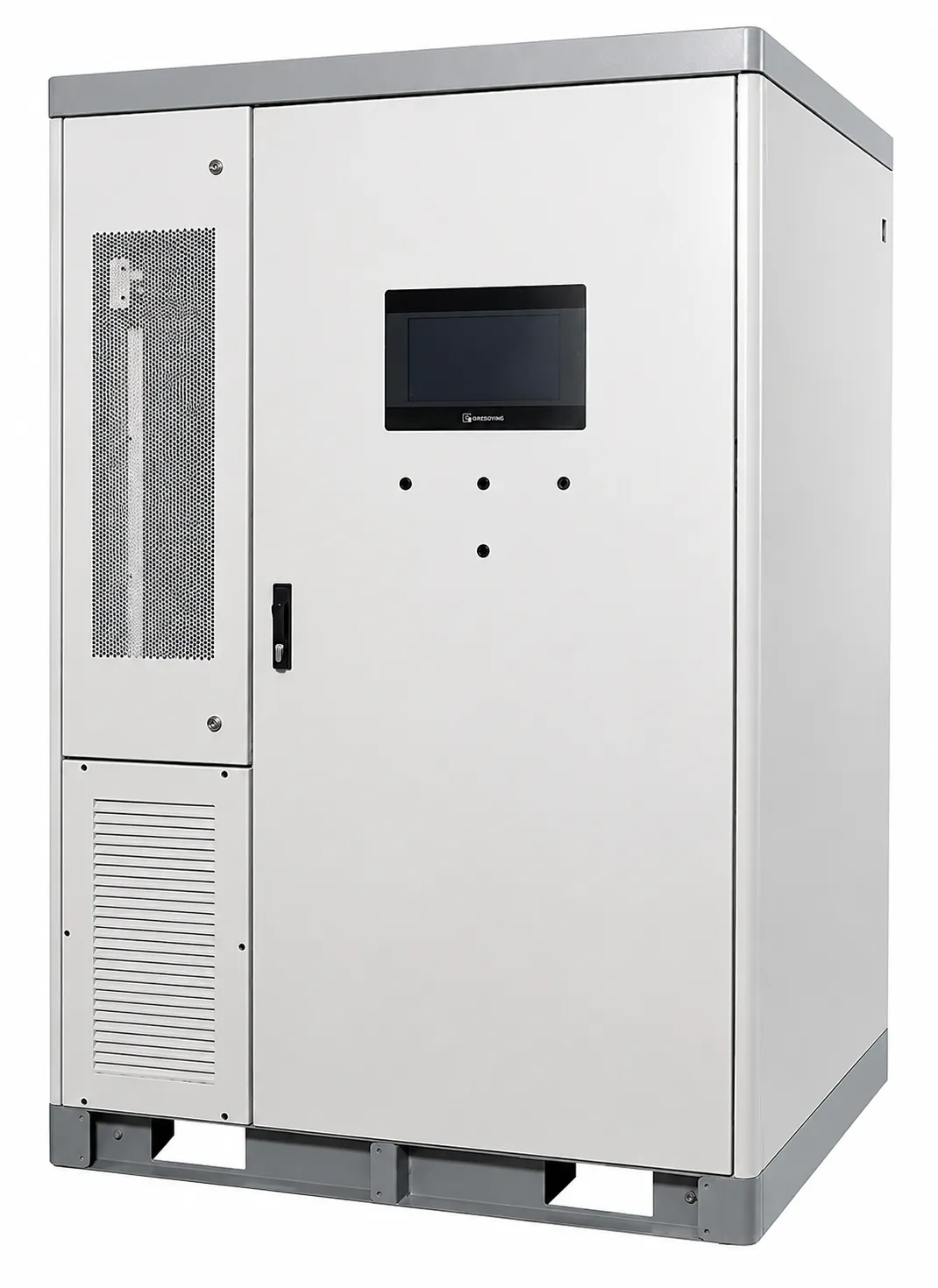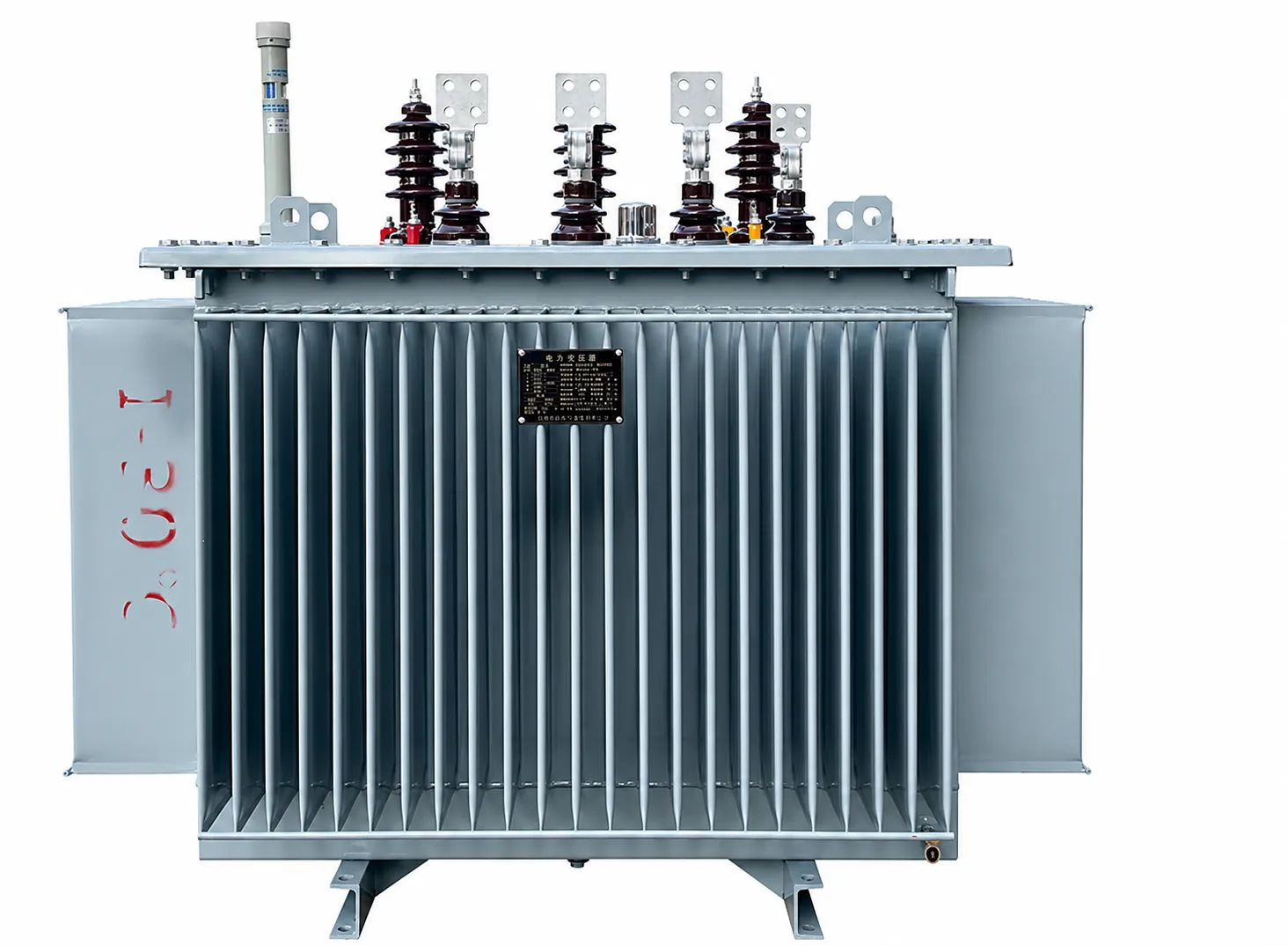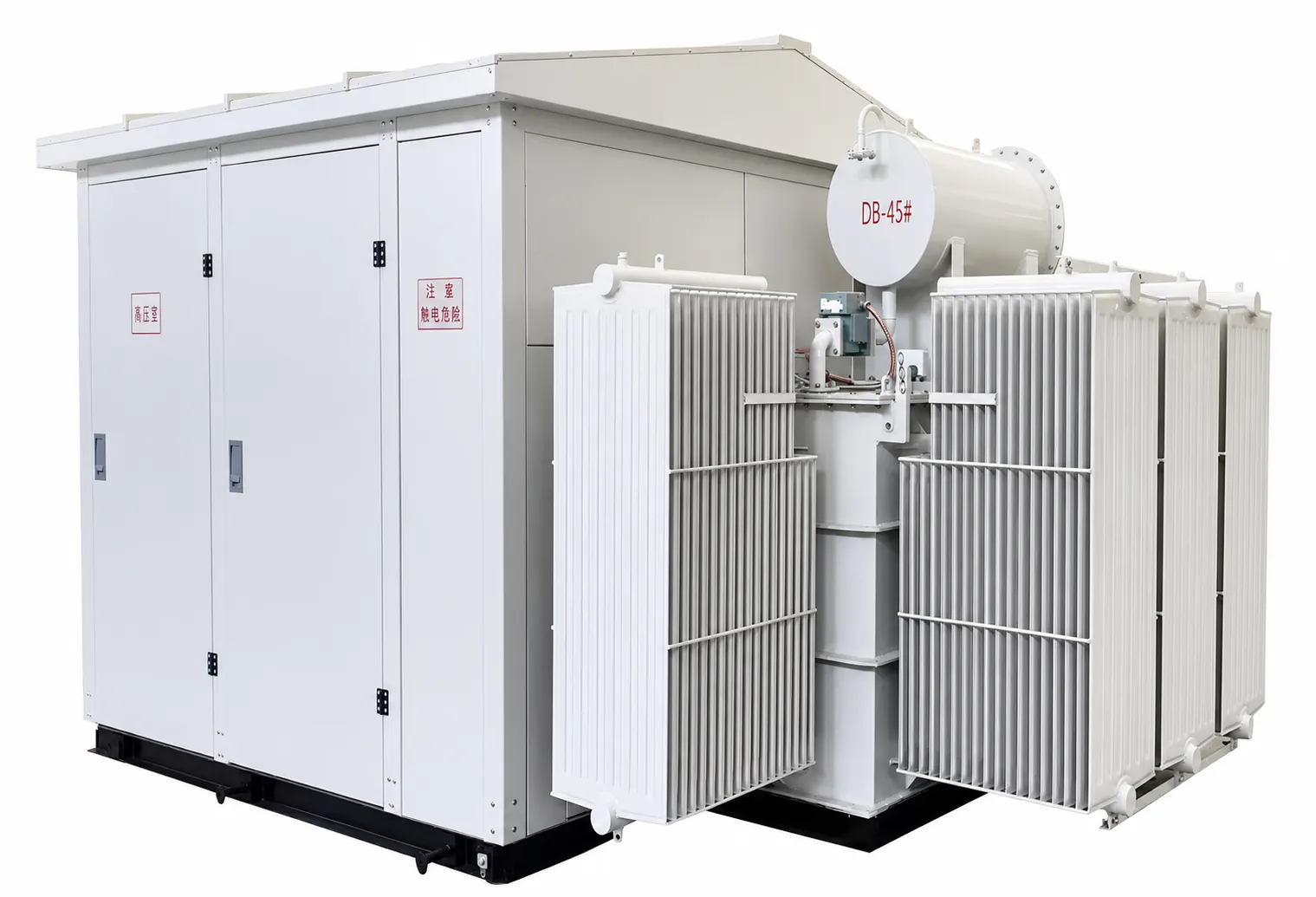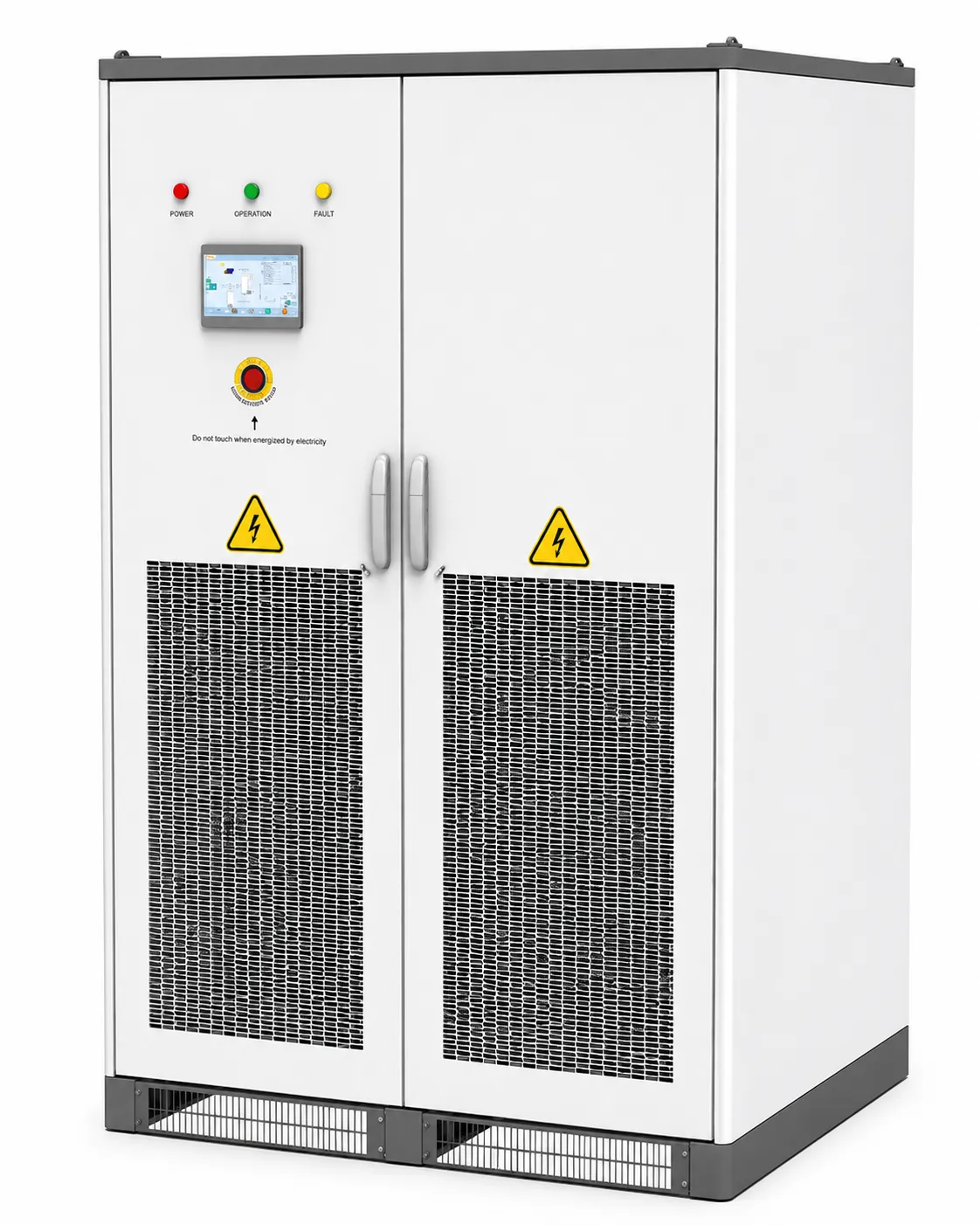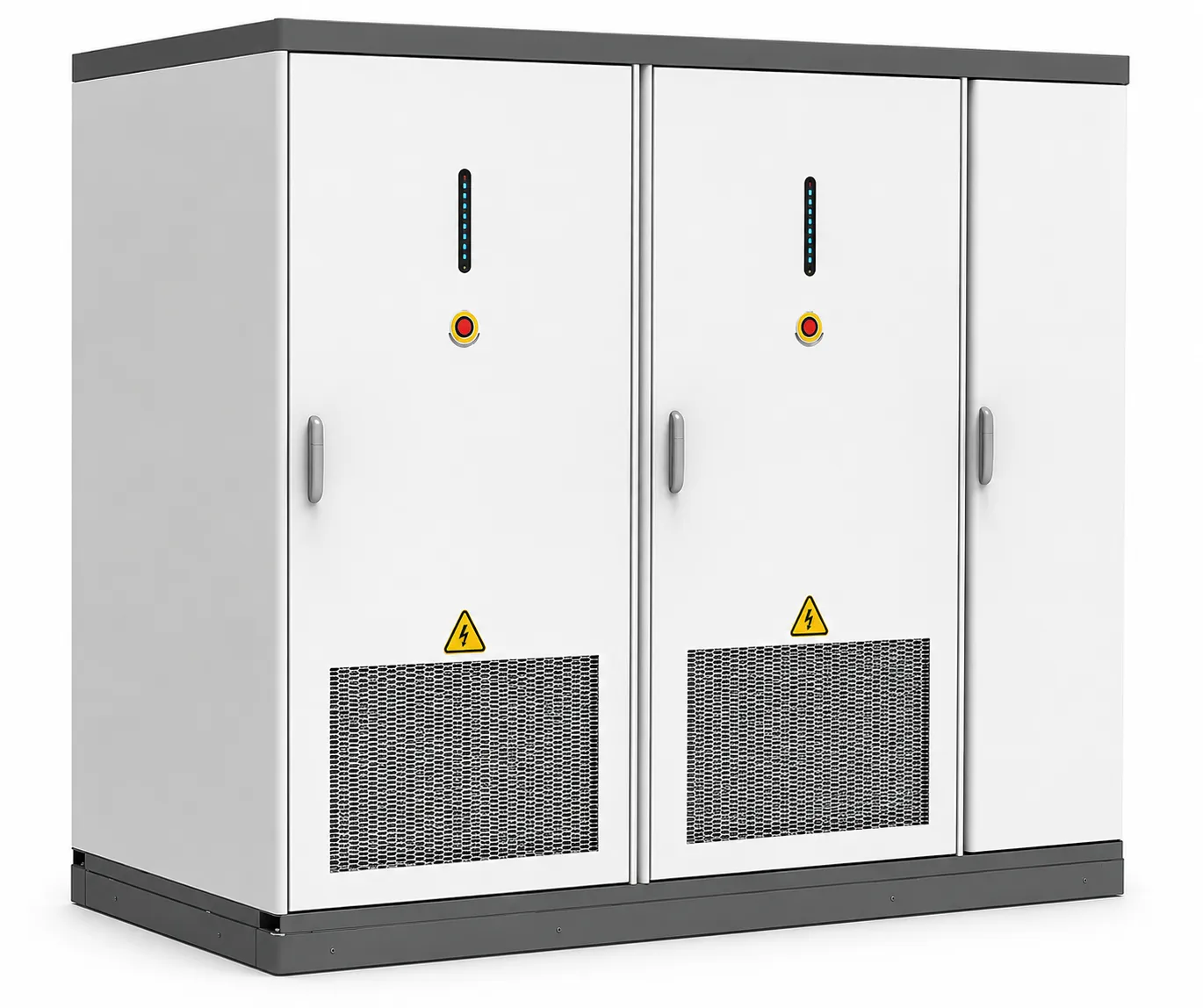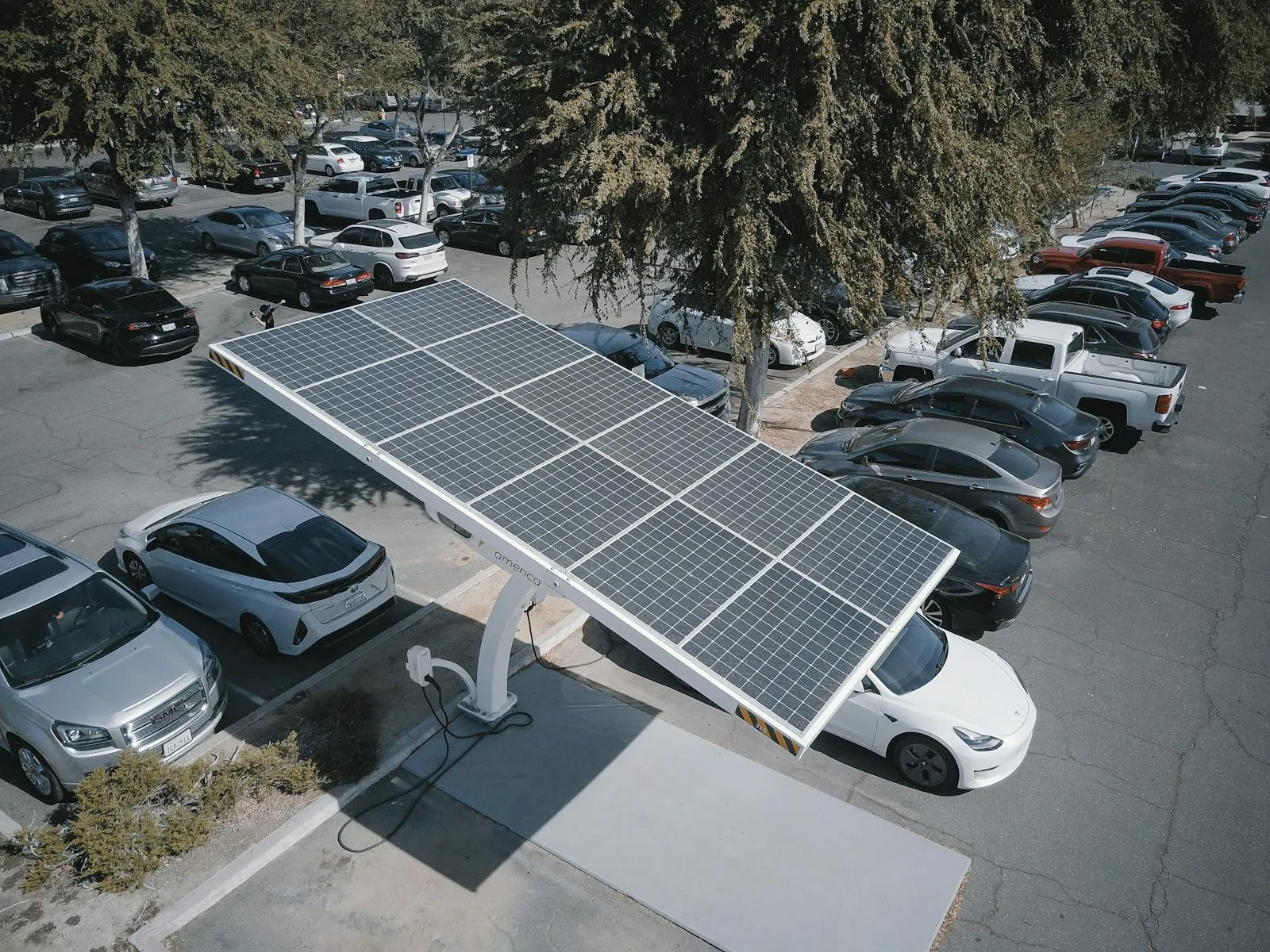
Solar-storage-charging integrated systems answer a problem that grid connections alone increasingly cannot: adding high-power EV charging to a site whose electrical service was never sized for it. By combining on-site photovoltaic generation, battery energy storage and charging hardware behind a single energy-management system, Entogo lets operators charge vehicles from solar and off-peak energy, cap demand charges, and keep charging available when the local grid is constrained or an interconnection upgrade is still pending.
The system is delivered as a coordinated package rather than separately procured parts. Photovoltaic arrays, the battery storage buffer, the power conversion stage and AC or DC charging are matched to the site’s load profile and capacity, then validated as one system before shipment — the same engineering-to-delivery discipline Entogo applies across more than 1,200 delivered projects.
How the system works together
The energy-management layer prioritizes solar self-consumption: photovoltaic output charges vehicles and the battery first, with the grid filling only the gap. During expensive demand windows the battery discharges to shave peaks and shift load to off-peak hours, and in grid-interactive modes the system can support broader load-management goals where local rules permit. When the grid is interrupted, stored energy keeps charging and critical loads running.
Because charging draws on the battery rather than the service entrance, sites can offer DC fast charging at power levels their utility connection alone could not sustain — often avoiding or deferring a service upgrade entirely.