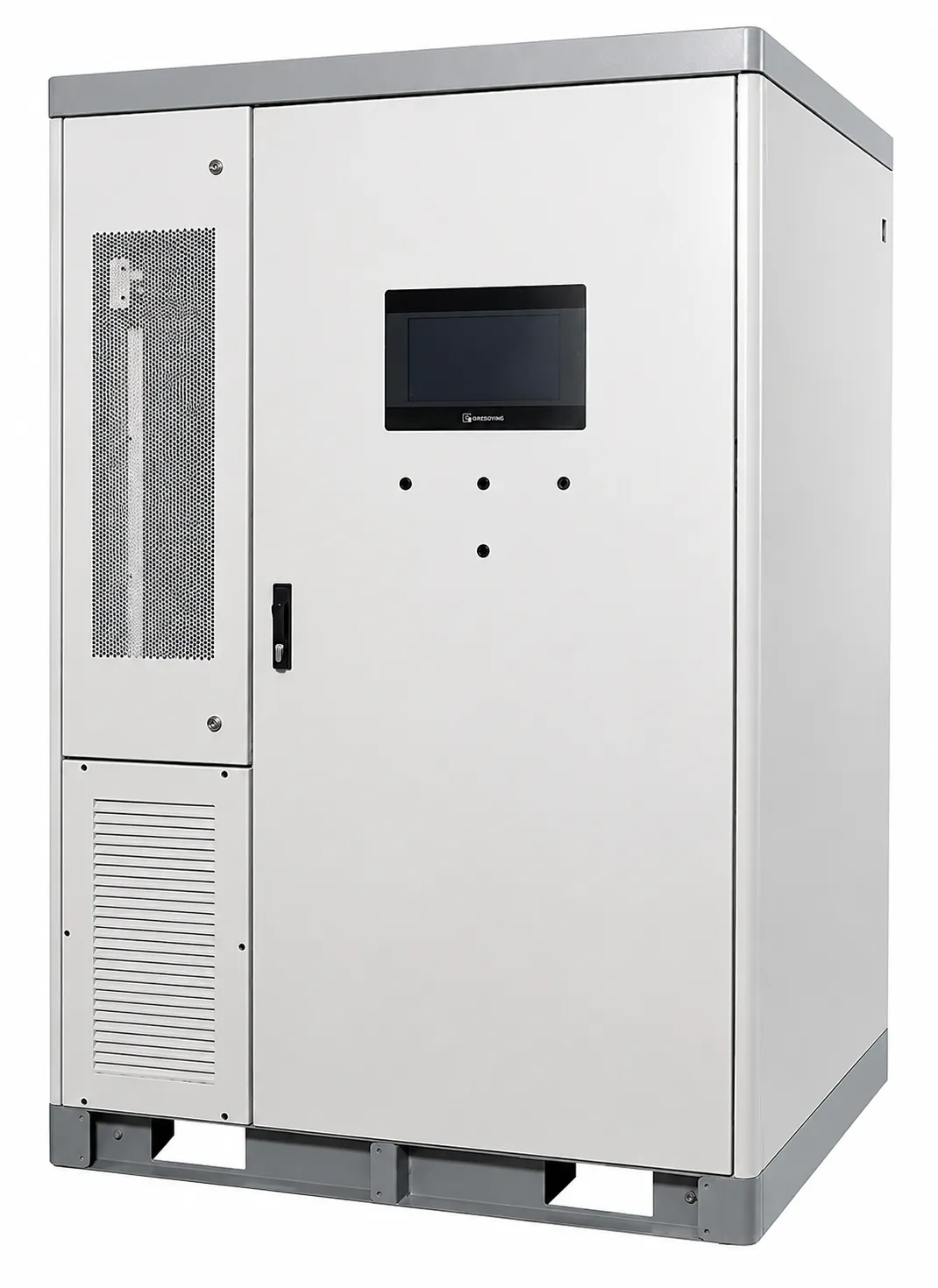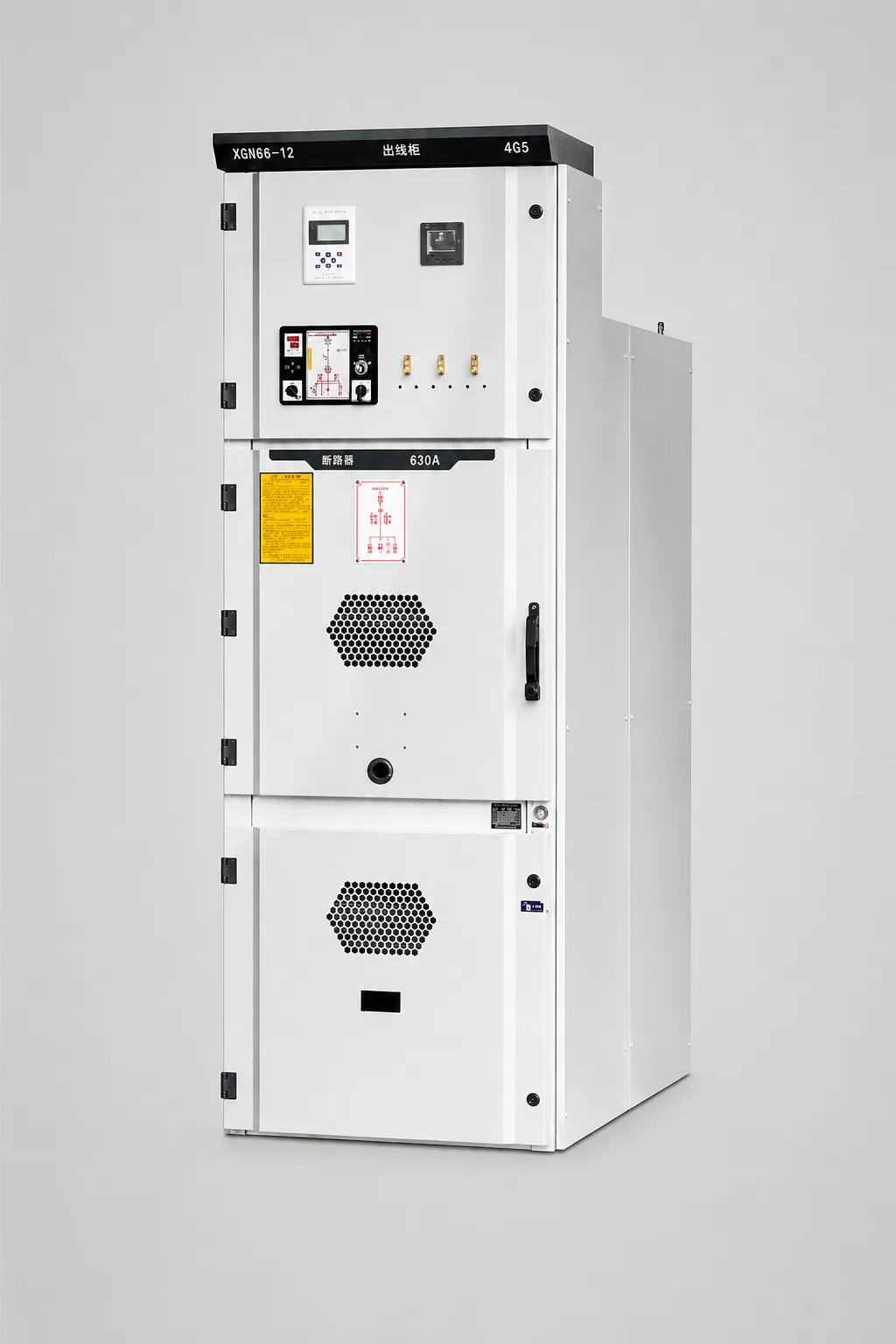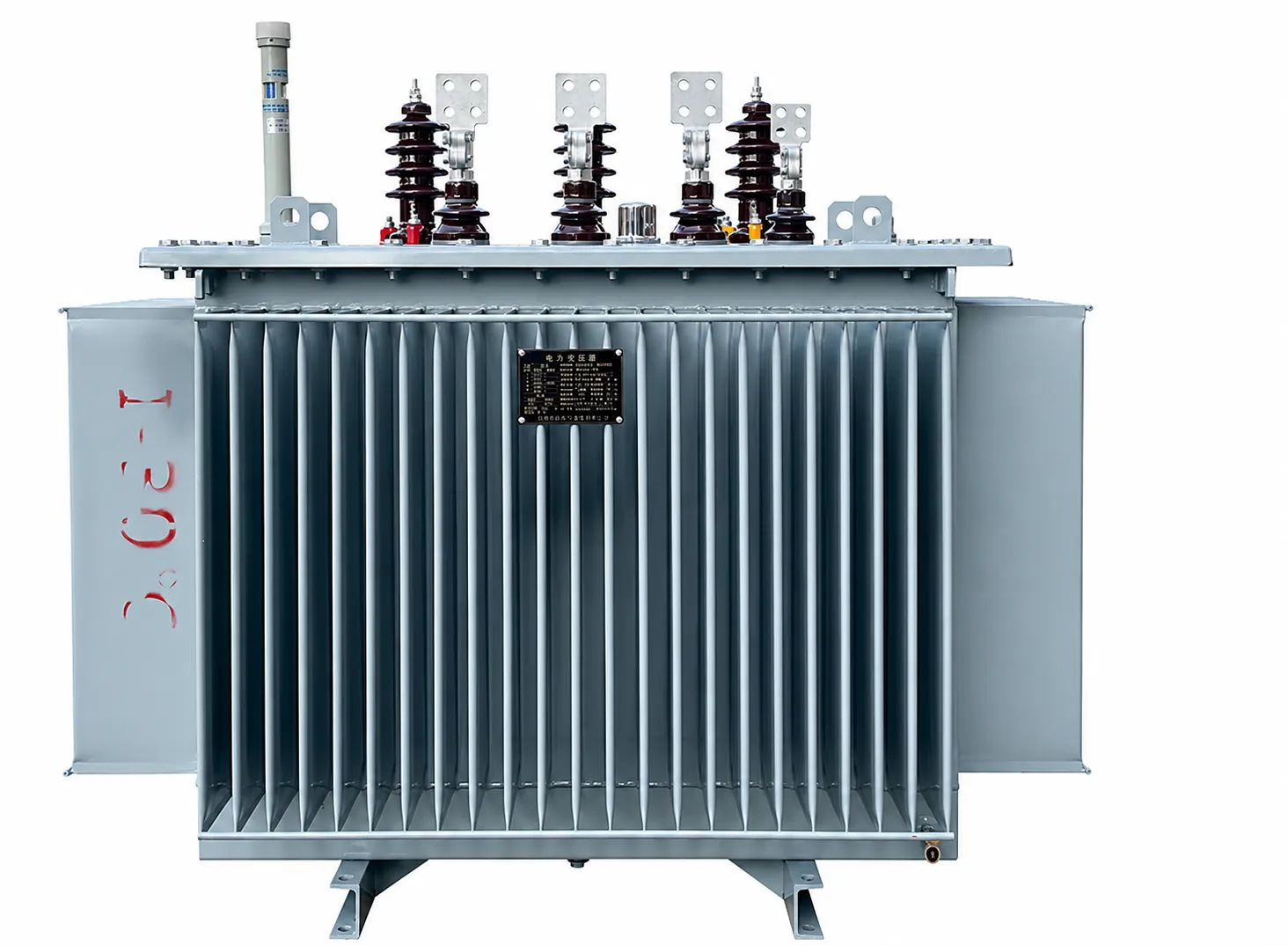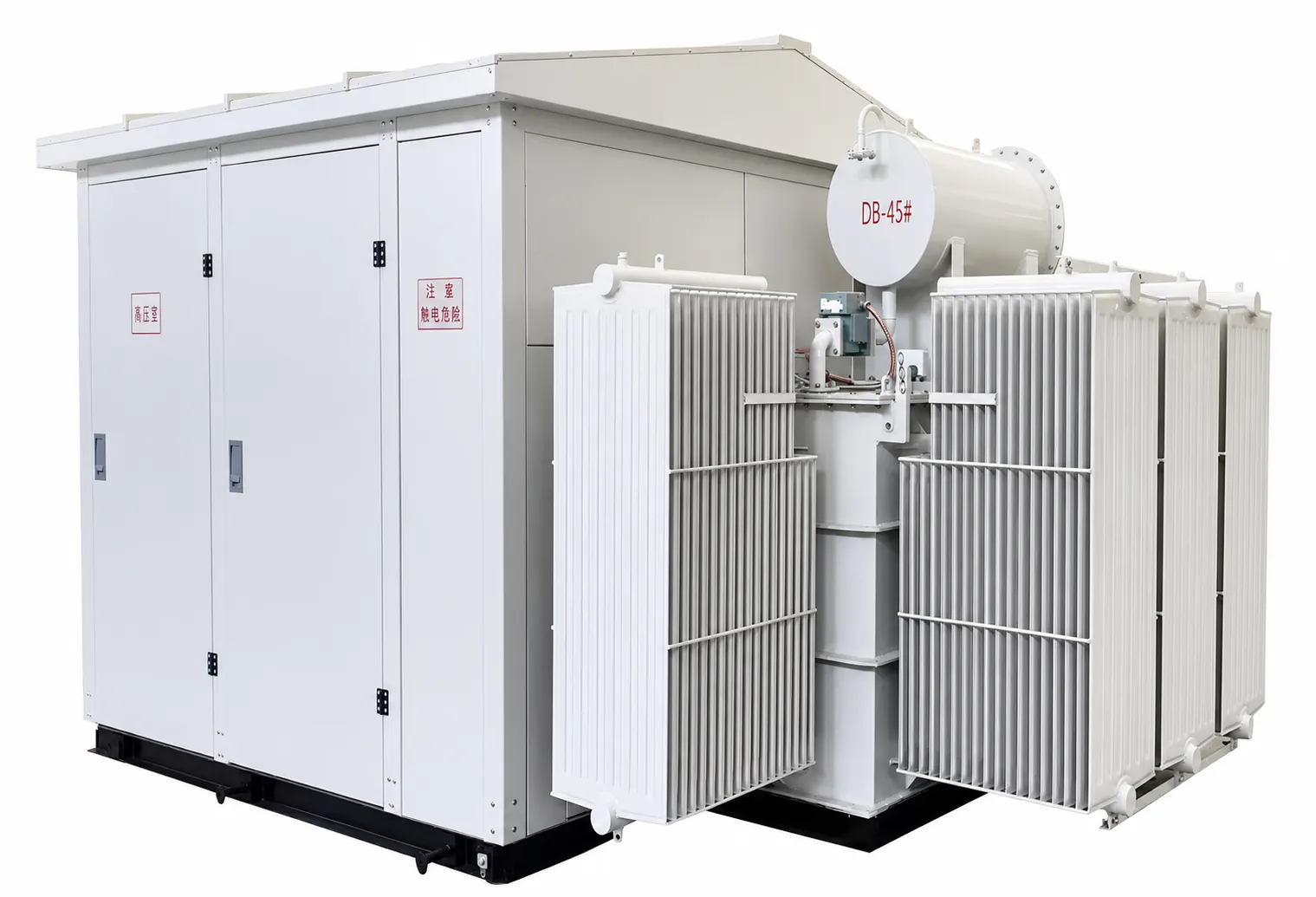
Entogo is a Canada-based power-equipment manufacturer that supplies the transformers, prefabricated substations, medium- and low-voltage switchgear and battery energy storage behind AI and hyperscale data centers across North America. The difference that matters to a data-center schedule is delivery: Entogo builds European-standard equipment to an average 12-week lead time, where the merchant transformer market now quotes one to four years.
Why is data-center power suddenly so hard to procure?
For two decades, securing transformers and switchgear for a data center was a solved problem. It no longer is. Three forces have collided at once.
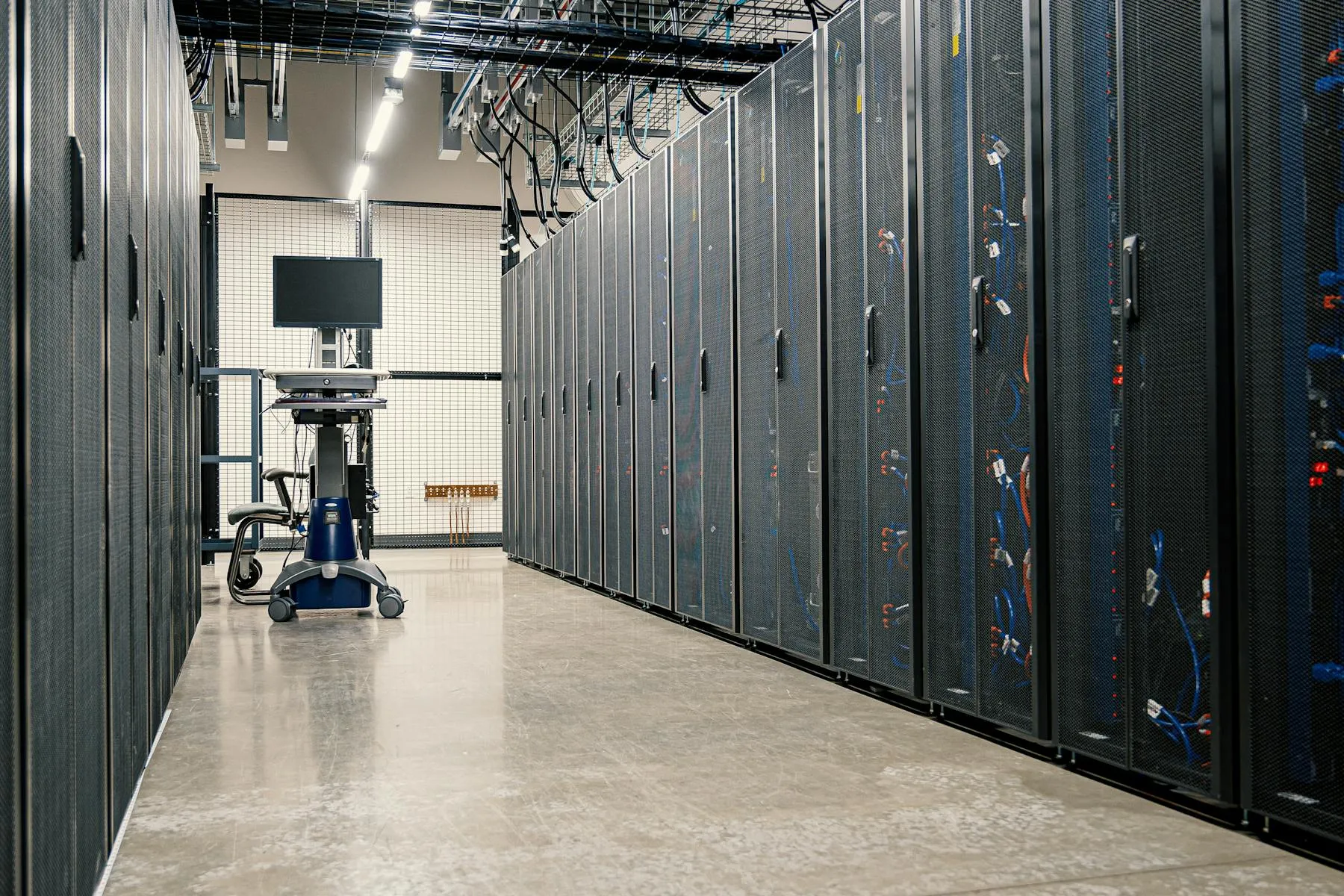
First, demand has exploded. The U.S. Department of Energy and grid operators have flagged that data-center electricity demand is climbing steeply as AI training and inference workloads scale — a single AI campus can now request hundreds of megawatts, comparable to a small city. Every one of those megawatts needs transformation and distribution equipment.
Second, the supply of grain-oriented electrical steel (GOES) — the core material in every power transformer — is concentrated in a handful of mills. Industry analysts including Wood Mackenzie have documented how this single-point dependency, combined with raw-material price inflation, has stretched transformer lead times from months into years.
Third, the existing fleet is aging. Much of North America’s installed transformer base is decades old, and a replacement wave is competing for the same constrained manufacturing capacity as new data-center build-out. The result is a procurement queue where a hyperscaler and a utility replacing a 40-year-old unit are bidding for the same slot.
How does Entogo deliver in 12 weeks when the industry quotes years?
The one-to-four-year figure describes the merchant queue, not the time it physically takes to build a transformer. Entogo is not standing in that queue. It operates its own source factory with a complete, vertically integrated supply chain and keeps standard IEC/CE designs in series production — so an order enters Entogo’s own build schedule rather than the merchant allocation queue, and European-standard catalogue equipment ships in an average of 12 weeks. Only the most demanding case — a product that requires new UL or other North-American certification before it can energise — extends that timeline, and even then Entogo guarantees delivery within 36 weeks.
Against an industry baseline of one to four years, that is the difference between a data center that energises on schedule and one that sits finished but dark, waiting on a transformer.
What equipment does an AI data center actually need?
A data-center power chain is a sequence of well-defined building blocks, and Entogo manufactures across the whole sequence:
- Power and distribution transformers step the incoming utility supply down to medium and low voltage. AI and HPC halls run at far higher power density than conventional IT — several times the load per rack — so transformers are sized for high, sustained partial-load efficiency, not occasional peaks.
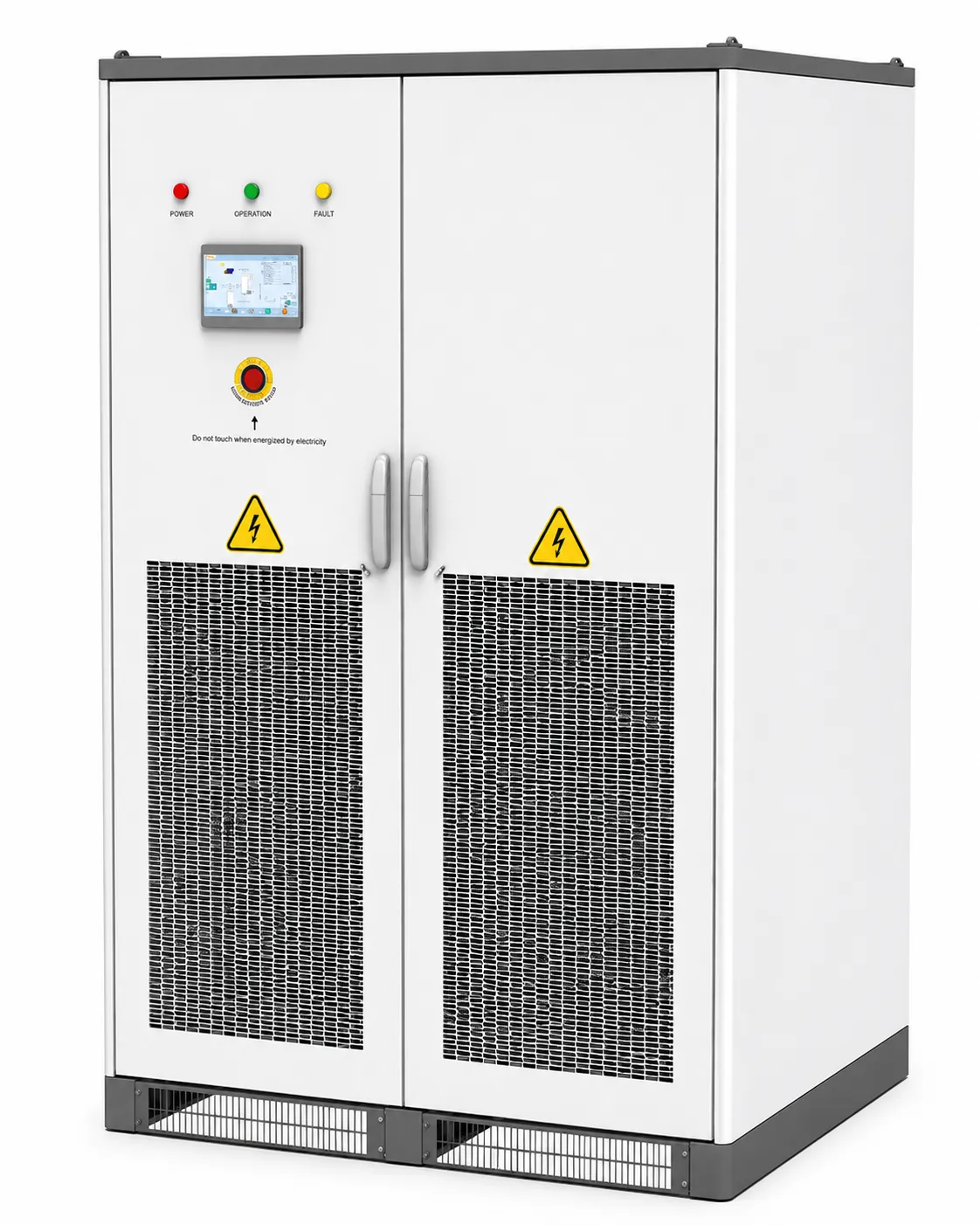
- Prefabricated substations package the transformer, MV switchgear and LV distribution into a factory-built, factory-tested unit that drops onto a prepared pad. This pulls substation construction off the site critical path, turning months of field work into days of installation.
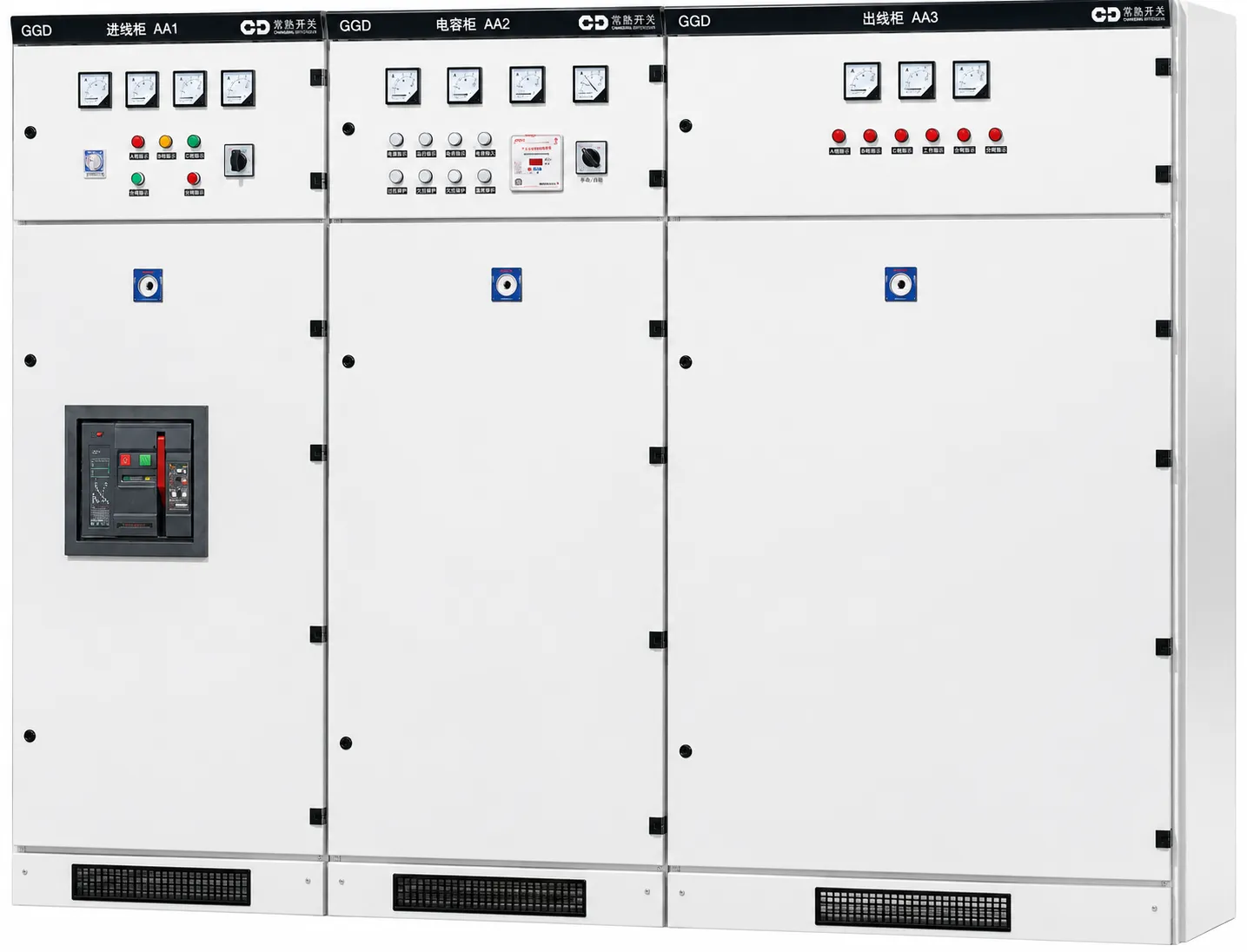
- Medium- and low-voltage switchgear forms the distribution backbone, with the redundancy and selectivity a Tier III or Tier IV topology demands so a single fault never takes the hall offline.
- Battery energy storage handles peak shaving, demand-charge management and bridging to generator backup as loads swing with AI training cycles.
Why do harmonics and partial-load efficiency matter here?
Data-center loads are not ordinary. UPS rectifiers and server power supplies are non-linear loads that inject harmonic currents back into the system. Feed those harmonics into a standard transformer and it overheats, derates, and ages prematurely — you lose the very capacity you paid for.
Transformers serving these loads must be specified with the harmonic profile in mind, and the distribution system designed in line with IEEE 519, the industry standard for harmonic control. Equally, because a data center runs flat-out 24/7 but rarely at nameplate peak, equipment should be optimized for partial-load efficiency — the operating point where it actually spends its life. Entogo specifies transformer rating, vector group and impedance against the project’s one-line diagram and measured or modelled harmonic profile.
How does Entogo de-risk the data-center schedule?
The hidden risk in data-center power is not any single piece of equipment — it is mismatched lead times across separately sourced gear. A project that secures switchgear quickly but waits two years for a transformer is still two years from energising.
Entogo removes that risk by supplying the transformers, substations, switchgear and storage as a coordinated package, assembled and factory-tested as a system before shipment. One supply chain, one lead time, one tested system — delivered in weeks, not years. Equipment is built to ANSI/IEEE C57, IEEE 519 and the CSA and NEC safety codes that govern North-American installations.
For operators racing to bring AI capacity online, the constraint is rarely the servers — it is the power equipment in front of them. That is exactly the bottleneck Entogo is built to clear.