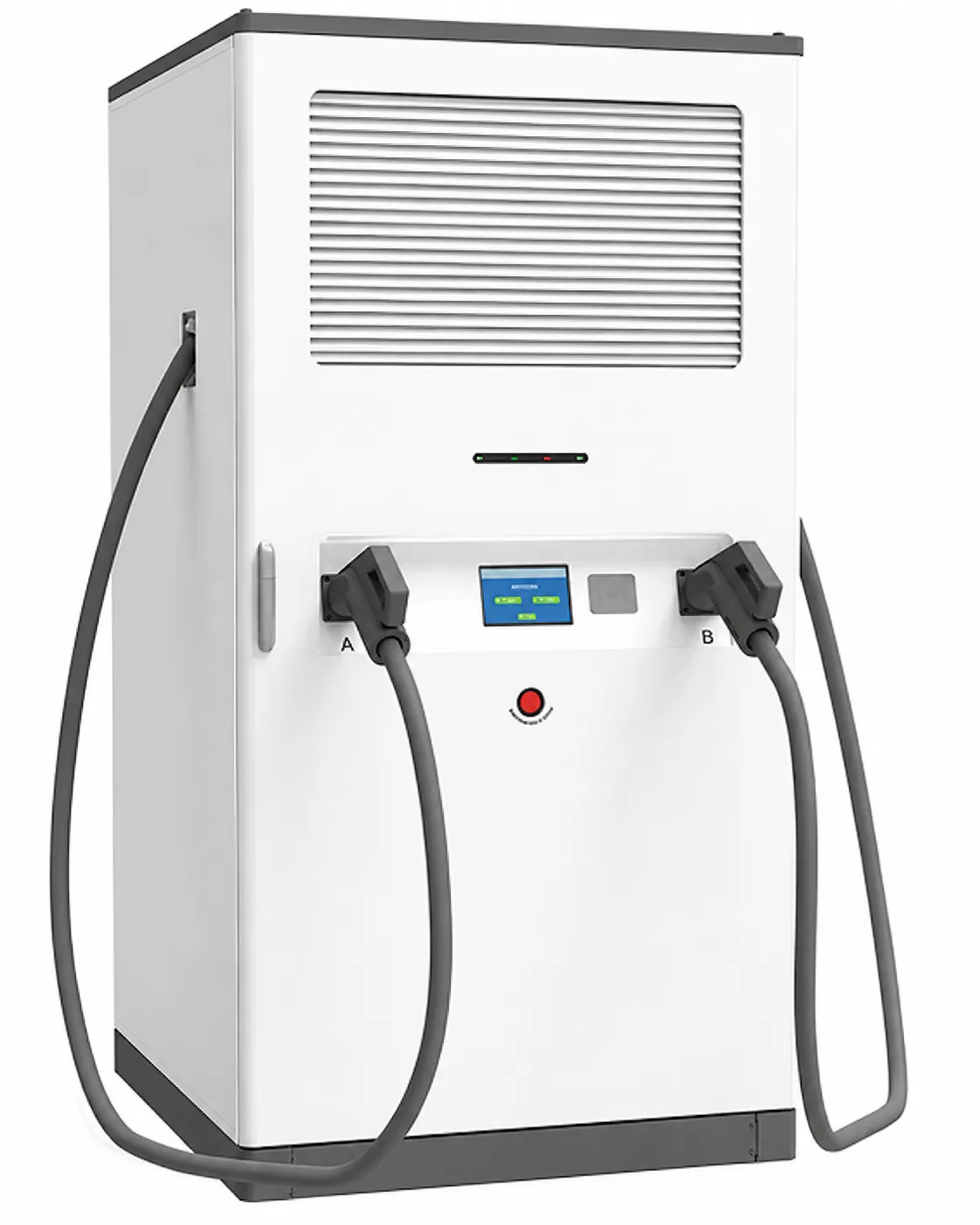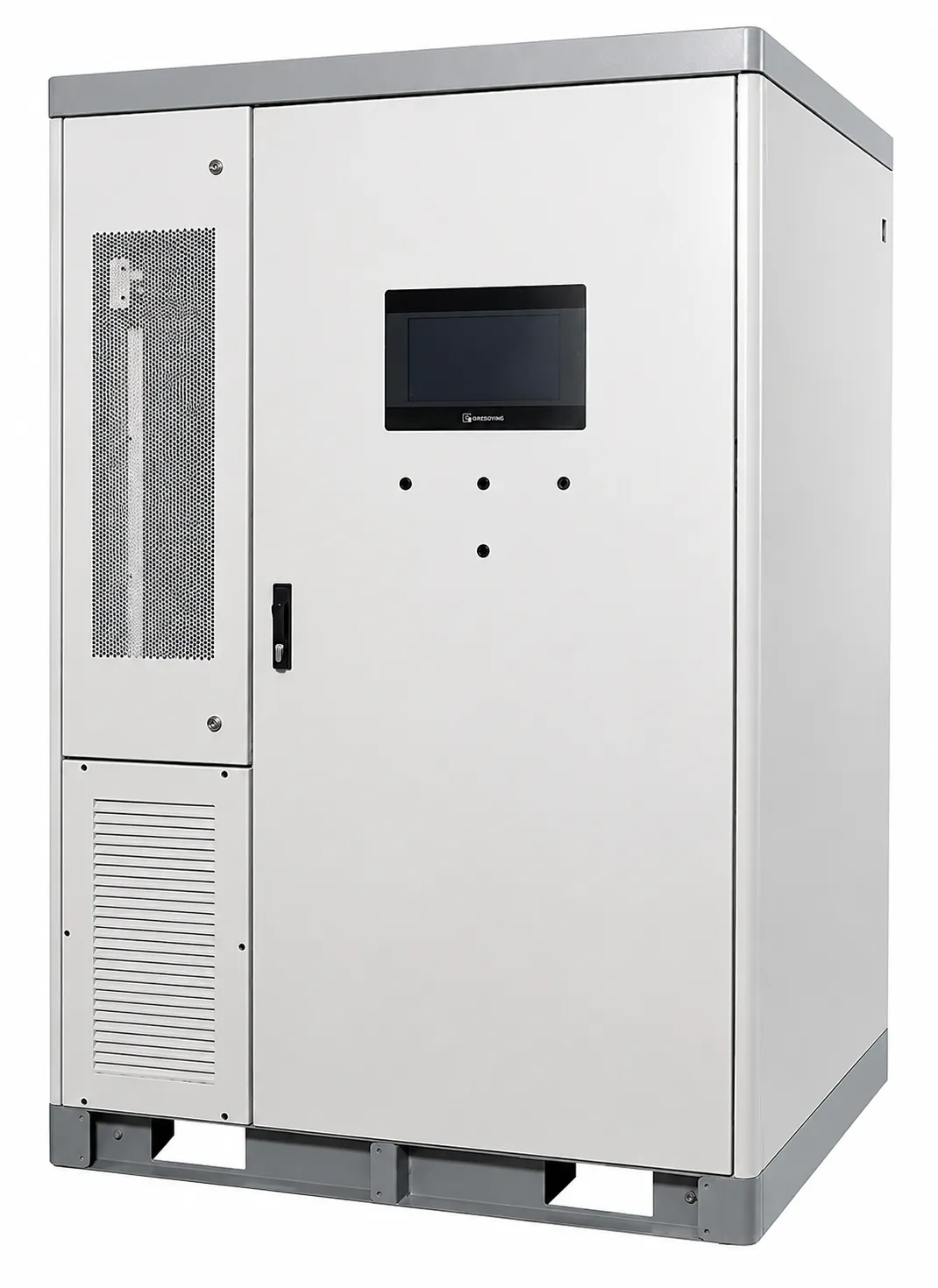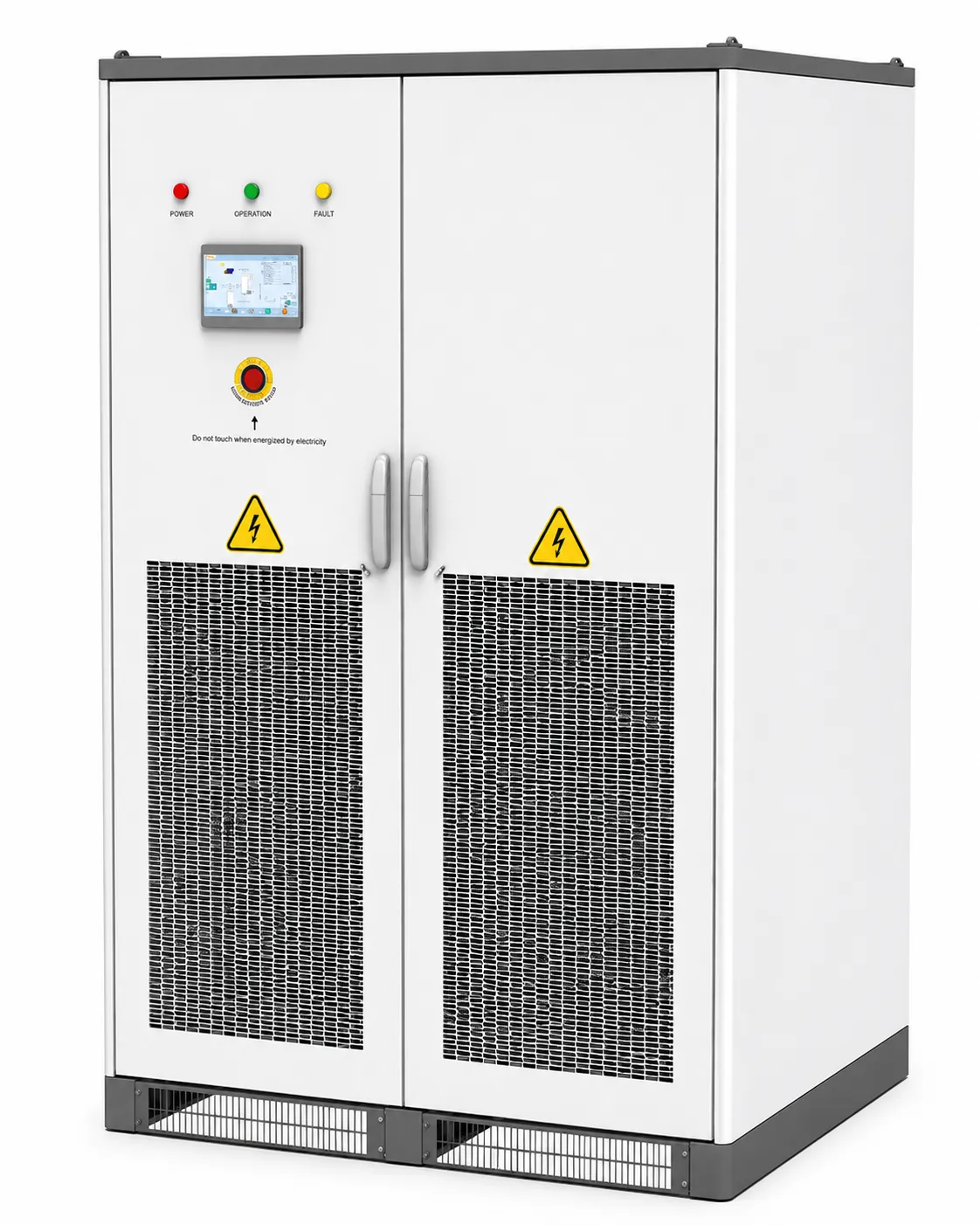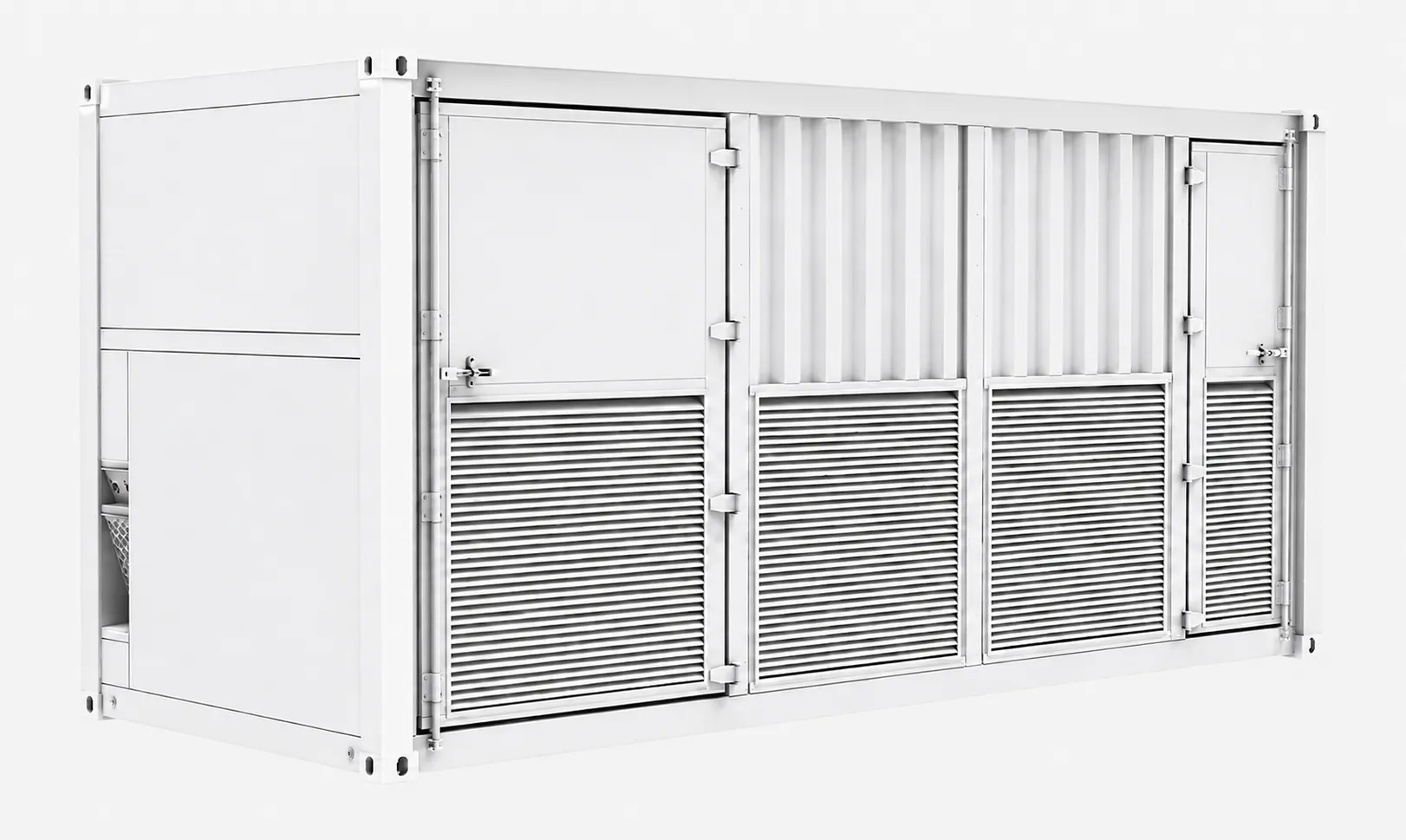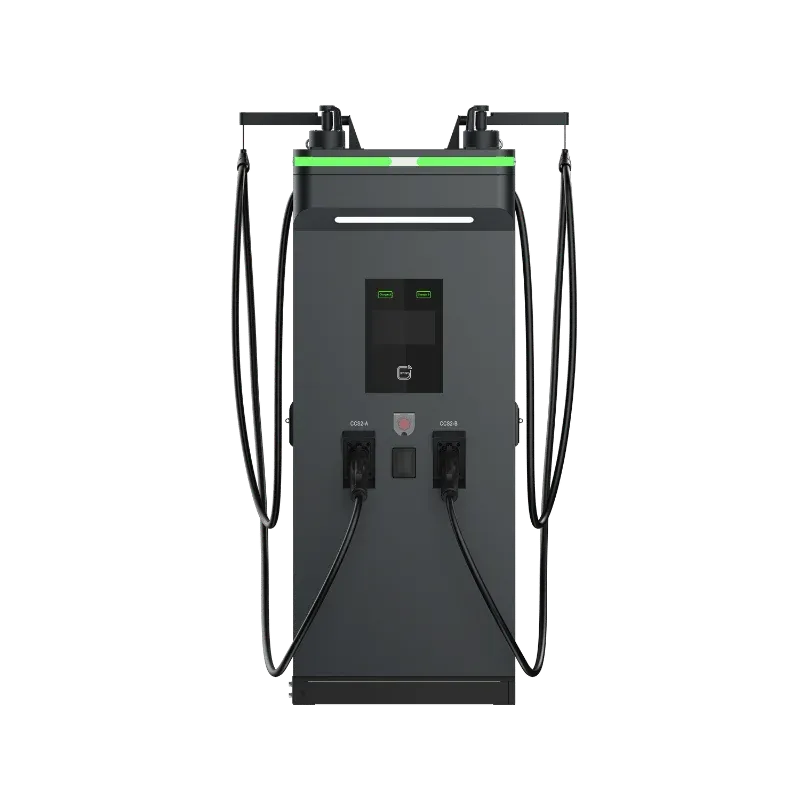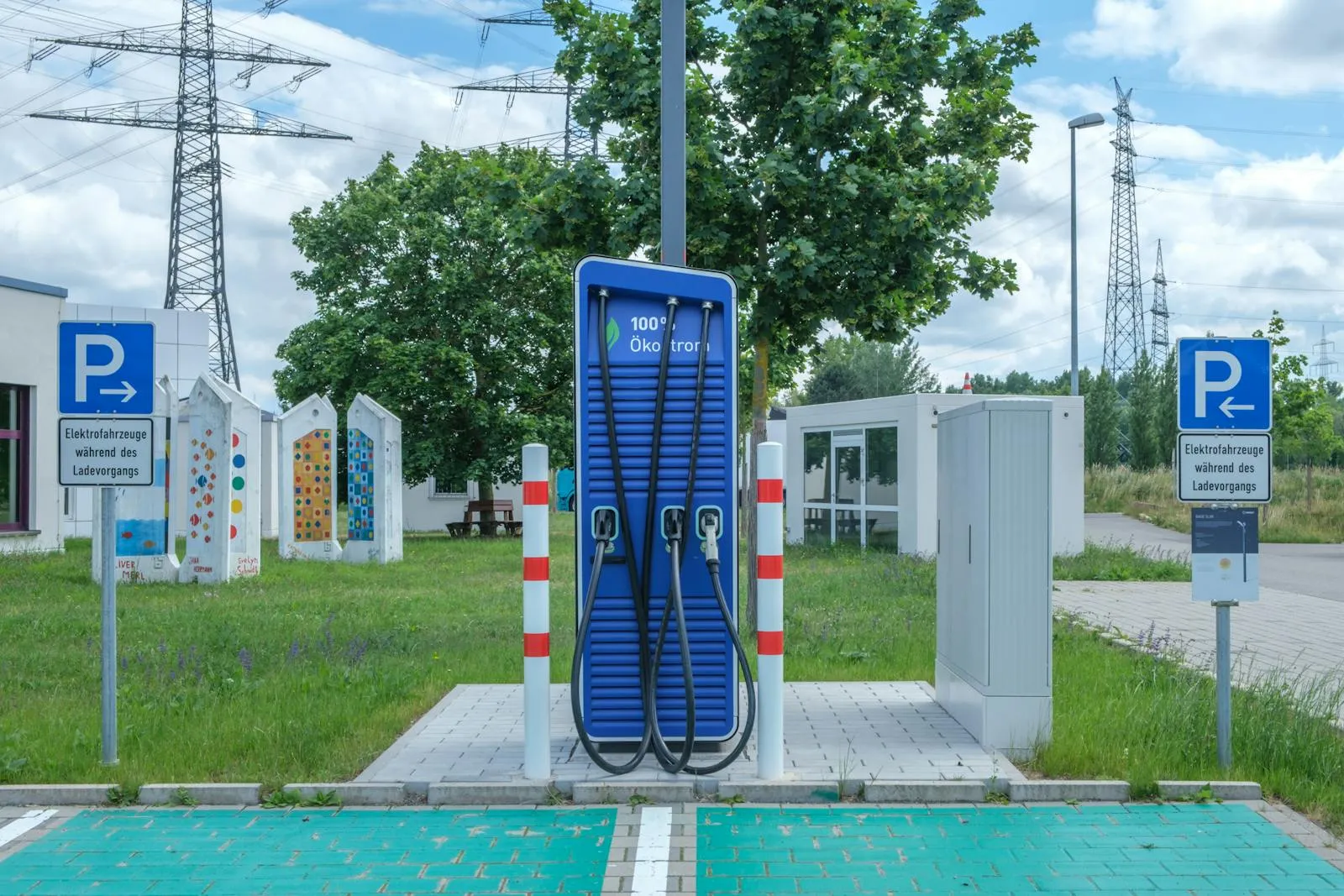
Entogo’s EV charging equipment is built in the same vertically integrated source factory as its transformers, substations and switchgear — an intelligent manufacturing base of roughly 20,000 square metres with dedicated AC and DC charging-equipment production lines. That gives ample, scalable capacity and guaranteed lead times for both standard products and project-specific configurations, with charging equipment certified to UL, CSA, FCC and OCPP for North-American deployment.
Entogo’s project record spans the deployment types operators actually run: public charging stations, dedicated bus charging depots, automotive-OEM supporting facilities and charging at real-estate and public buildings. The common challenge across them is rarely the charger itself — it is fitting the charging plan to the electrical capacity the site can deliver.
Matching chargers to the site
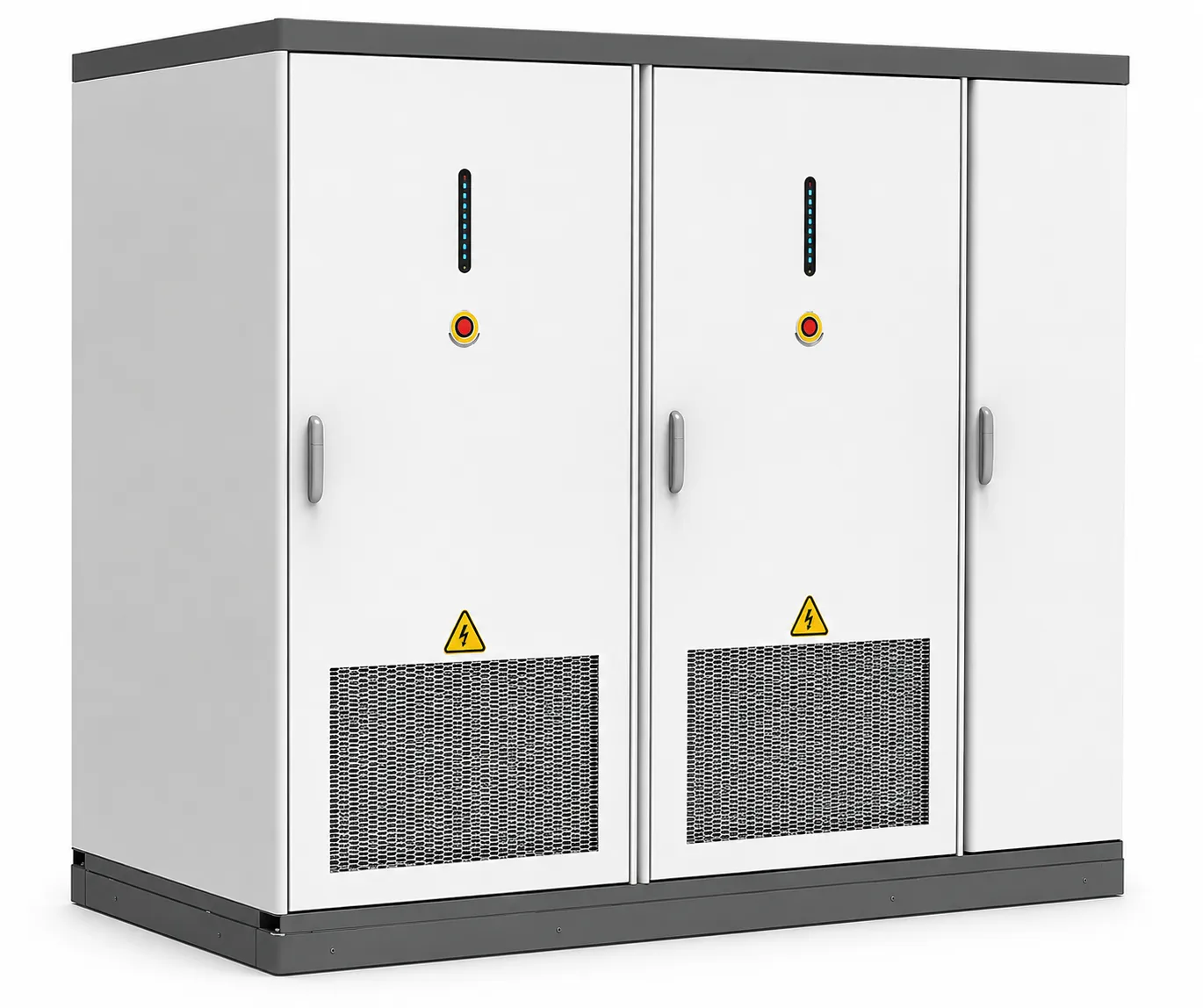
Most deployments mix charger types: AC (Level 2) for long-dwell workplace, destination and overnight depot charging, and DC fast charging for public corridors and high-utilization vehicles needing rapid top-ups. Where a site’s service capacity cannot sustain the fast-charging load, a battery storage buffer lets operators add DCFC without a full service upgrade while reducing demand charges.
Equipment is specified, factory-tested, shipped and supported through installation and commissioning, so the charging plan that leaves the factory is the one that energises on site.