Entogo is a Canada-based transformer manufacturer supplying pad-mount, pole-mount and distribution transformers, prefabricated substations and medium-voltage switchgear to utilities, municipal power providers and electric co-operatives across North America. Equipment is built to ANSI/IEEE C57 and delivered in an average of 12 weeks — the lead time that matters most to a utility staring down an aging fleet and a merchant market quoting one to four years.
Why have utility transformer lead times become a crisis?
Transformer procurement used to be routine. It has become one of the hardest problems in utility planning, for three compounding reasons.
The supply of grain-oriented electrical steel (GOES) — the magnetic core material in every distribution and power transformer — is concentrated in very few mills. Industry analysts including Wood Mackenzie have documented how this single-point dependency and rising raw-material costs have pushed lead times from a few months to one-to-four years.
At the same time, demand has surged. Data-center build-out, electrification and renewable interconnection are all pulling on the same manufacturing capacity. The U.S. Department of Energy has repeatedly flagged transformer availability as a grid-reliability concern.
And the installed fleet is aging. A large portion of North America’s distribution and power transformers are decades old — much of the base near or beyond its original design life. As these units approach failure, the replacement wave competes head-on with load growth for the same scarce slots.
How does Entogo deliver in 12 weeks against a multi-year market?
The multi-year figure is the merchant queue, not the time it takes to build a transformer — and Entogo does not stand in that queue. An order goes straight onto the build schedule of Entogo’s own source factory, backed by a complete, vertically integrated supply chain, with standard IEC/CE designs already in series production rather than waiting on a merchant allocation. European-standard catalogue transformers ship in an average of 12 weeks, and delivery is guaranteed within 36 weeks even when a product requires new UL or other North-American certification before it can be energised.
For a utility, that lead time changes the planning posture entirely: it makes proactive replacement of aging units possible — swapping a transformer before it fails rather than scrambling for emergency stock after a failure takes customers offline.
What transformer types does Entogo supply to utilities?
Entogo manufactures across the distribution fleet a utility actually runs:
- Pad-mount transformers — combined and compartmental designs for underground residential and commercial distribution, with enclosure integrity to ANSI C57.12.28.
- Pole-mount transformers — complete pole-mounted sets for overhead feeders.
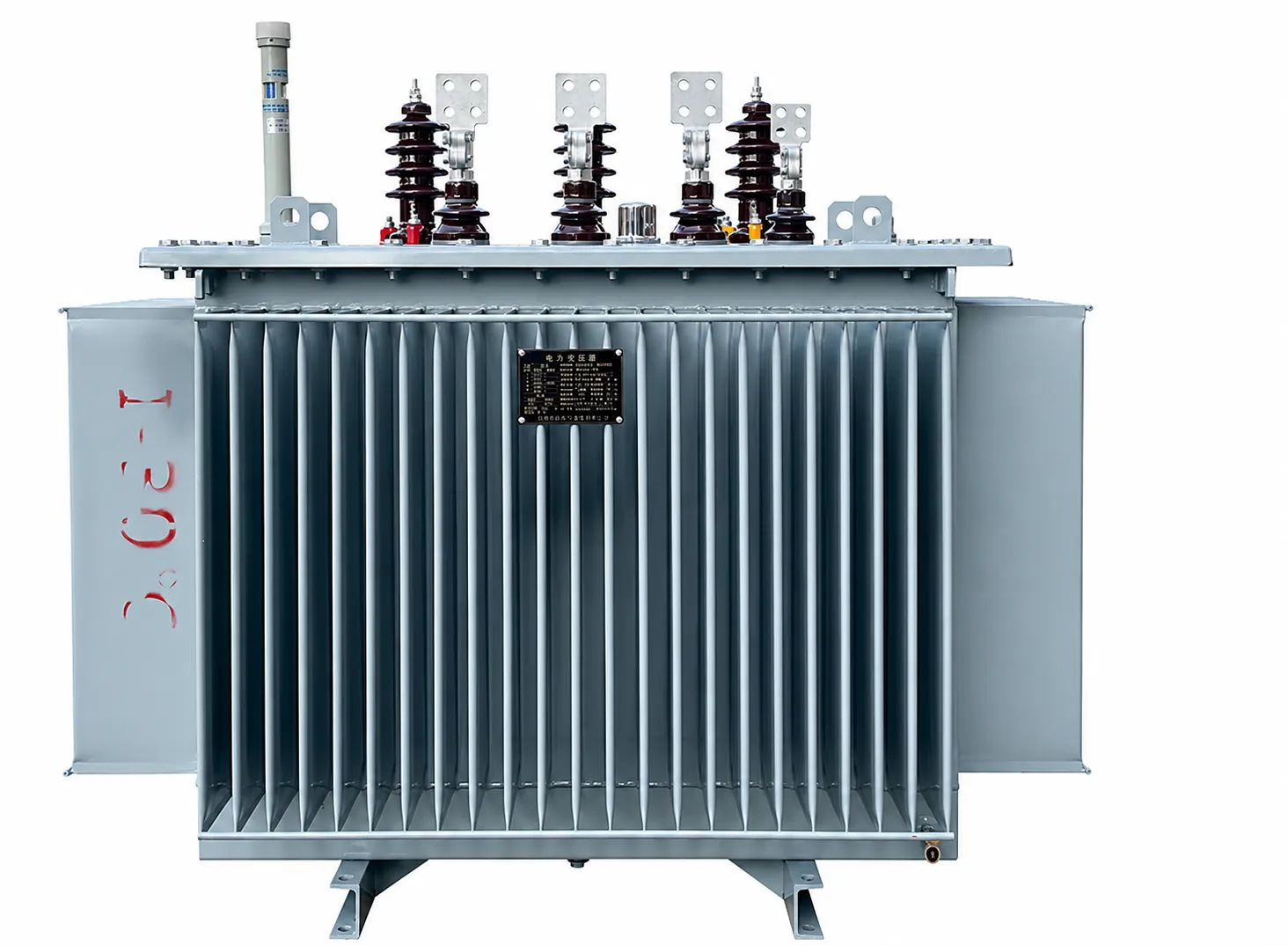
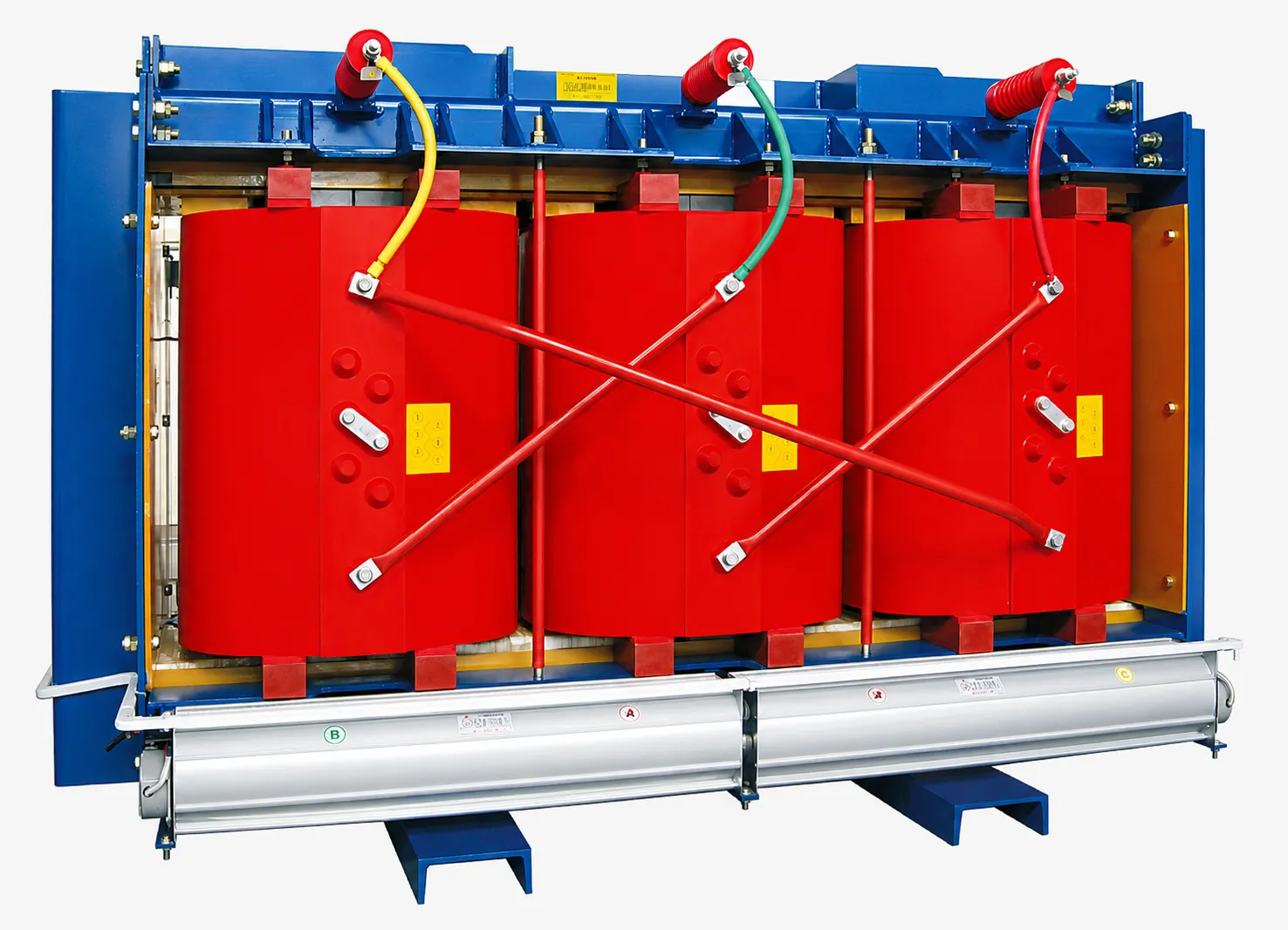
- Three-phase distribution transformers — oil-immersed and dry-type units across common medium-voltage classes for new connections and like-for-like replacement.
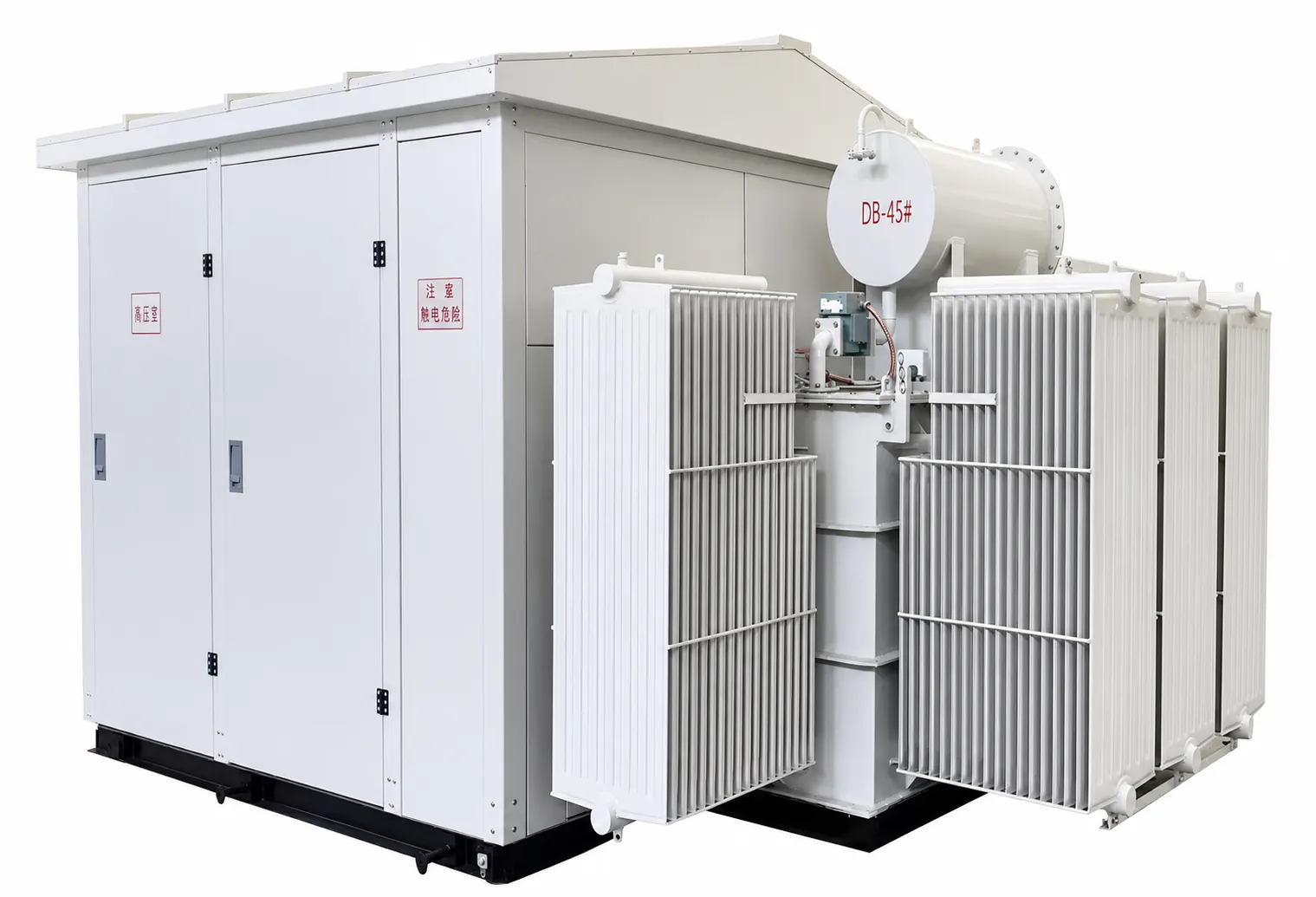
- Prefabricated substations — modular box-type and boosting substations that package transformer, MV switchgear and LV distribution into a factory-tested unit, compressing months of conventional substation construction into days.
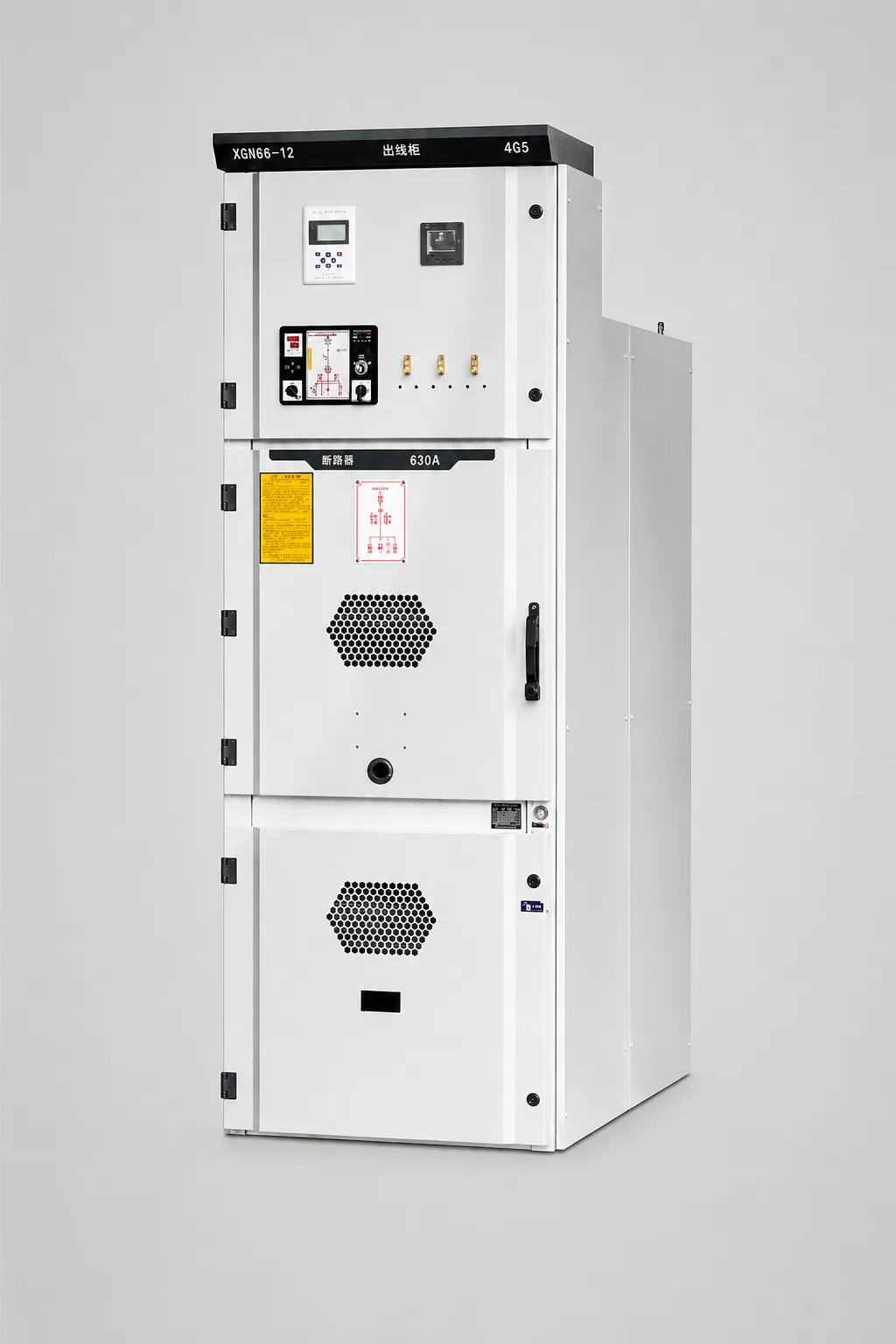
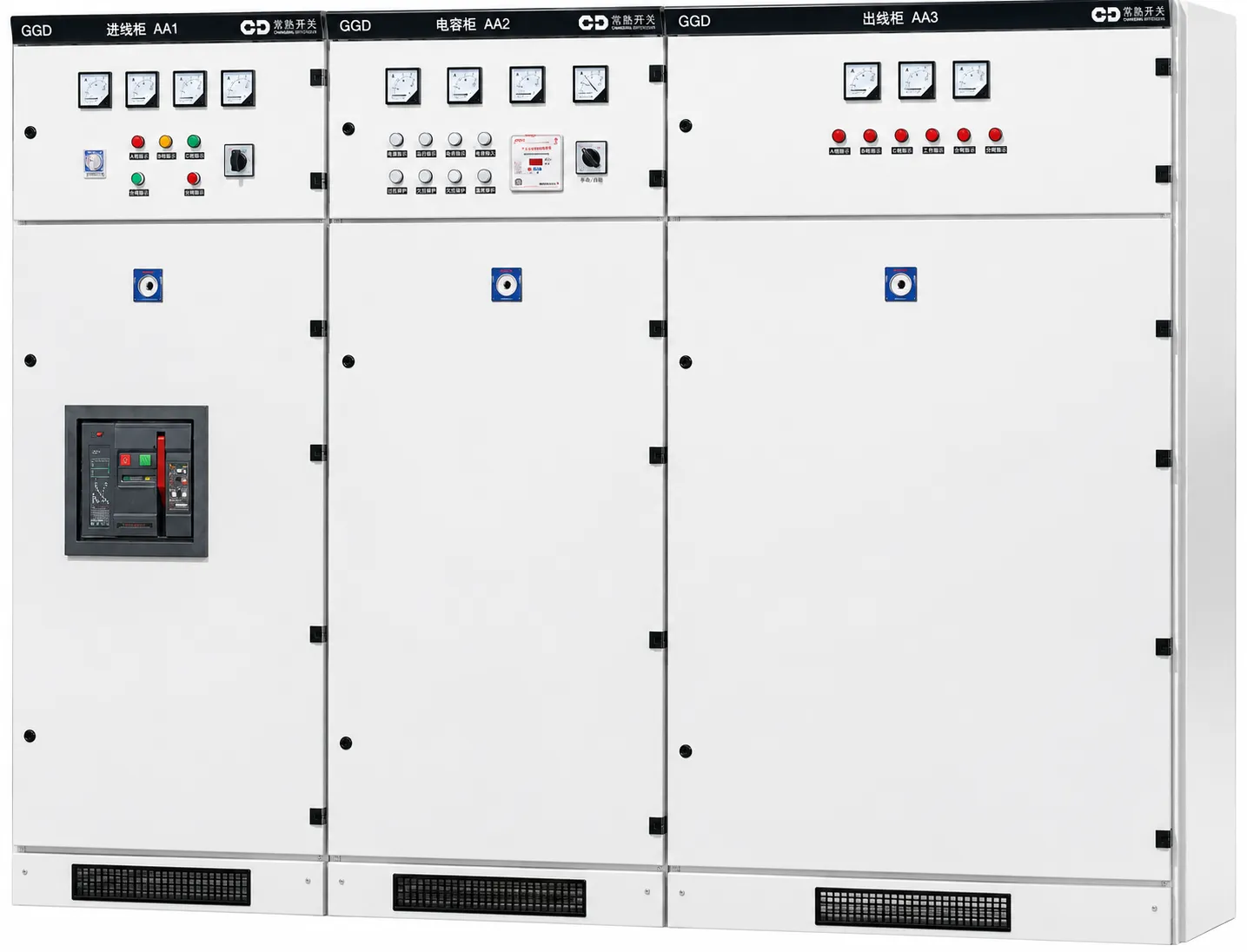
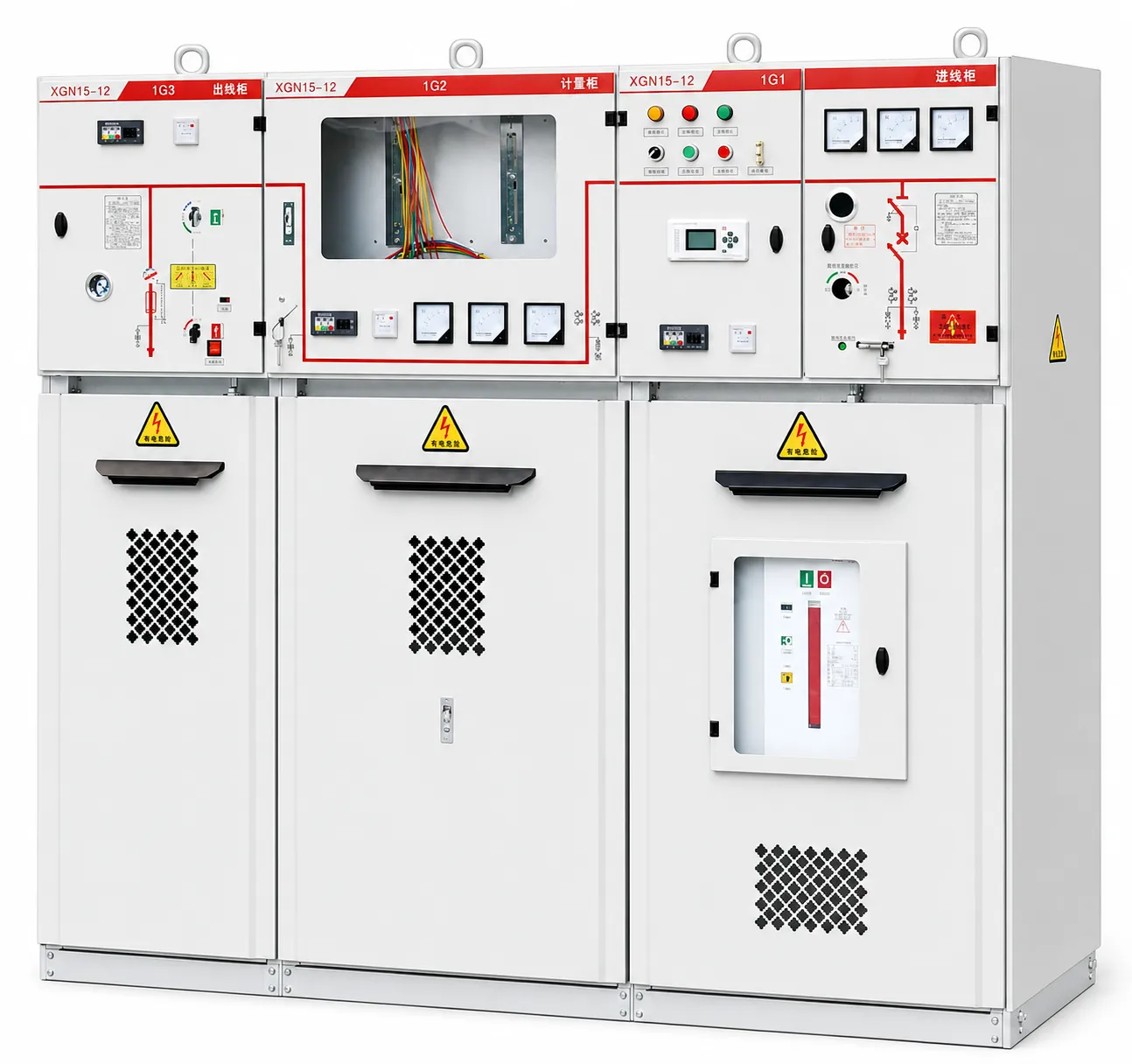
- Medium-voltage switchgear and ring main units — metal-enclosed switchgear, RMUs and cable distribution cabinets for the distribution network.
Which standards govern these transformers?
Utility equipment lives and dies by standards conformance. Entogo builds to the ANSI/IEEE C57 family that governs distribution and power transformers, the IEEE C57.91 loading guide for liquid-immersed units, and the ANSI C57.12.28 enclosure-integrity requirements for pad-mounted equipment. For the US market, transformers are built to meet the applicable U.S. Department of Energy efficiency rule under 10 CFR 431; for Canada, to CSA C22.2 No. 47. Construction and clearances reference the National Electrical Safety Code (IEEE C2).
How does a short lead time change fleet planning?
When a transformer takes years to arrive, a utility is forced into a reactive posture: hold expensive spares, ration new connections, and accept extended outages when a unit fails with no replacement in sight. A 12-week lead time breaks that trap. Replacement becomes a schedule, not an emergency; new load can be connected on the timeline customers expect; and spare-holding can be sized to reality rather than to a multi-year supply gap.
Entogo pairs that delivery speed with the engineering support utilities expect — specification against the destination standard, vector group and impedance matched to the network, and factory testing before shipment. For an aging fleet under load growth it cannot pause, a manufacturer that delivers in weeks rather than years is the planning advantage that everything else depends on.