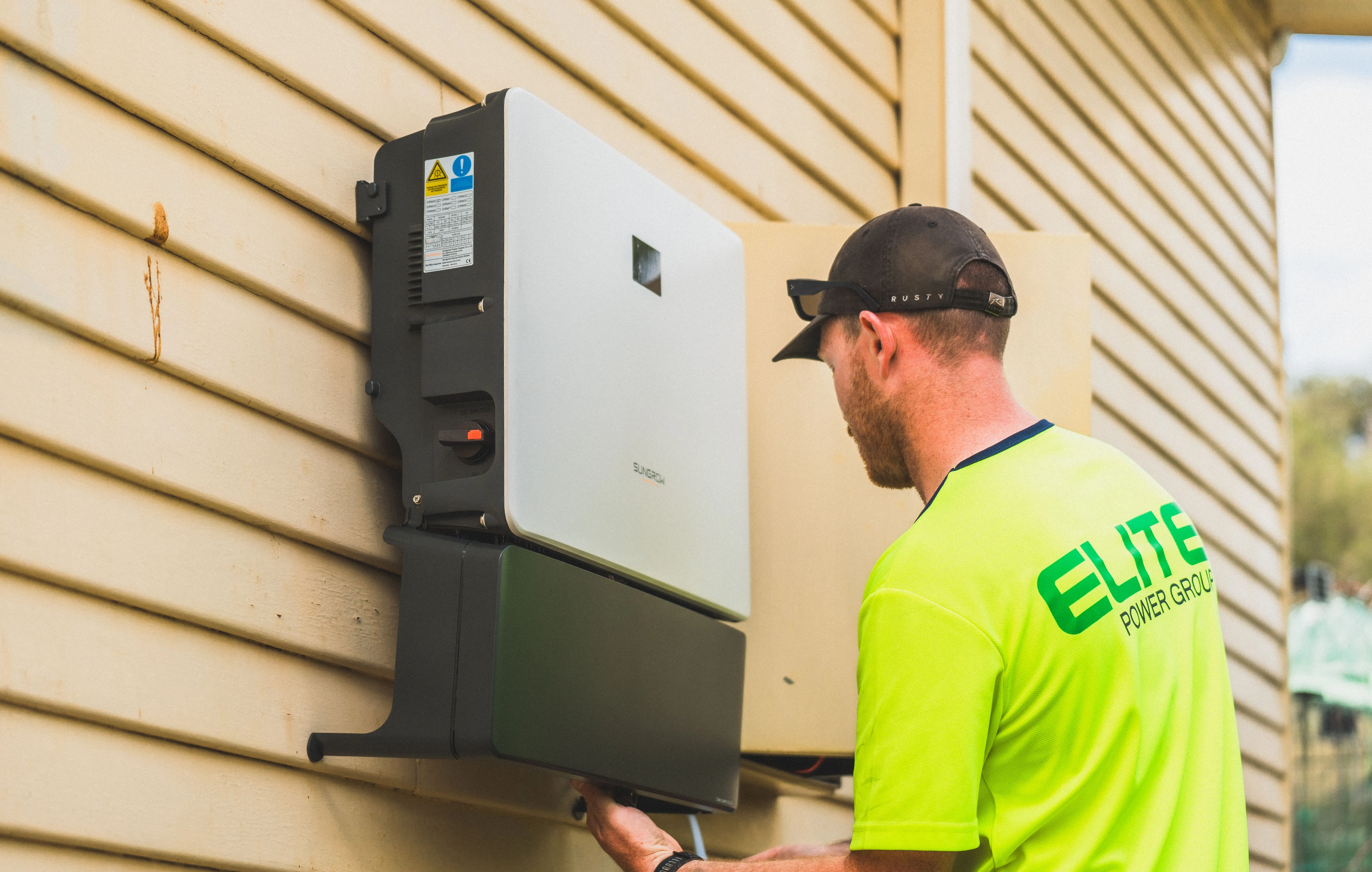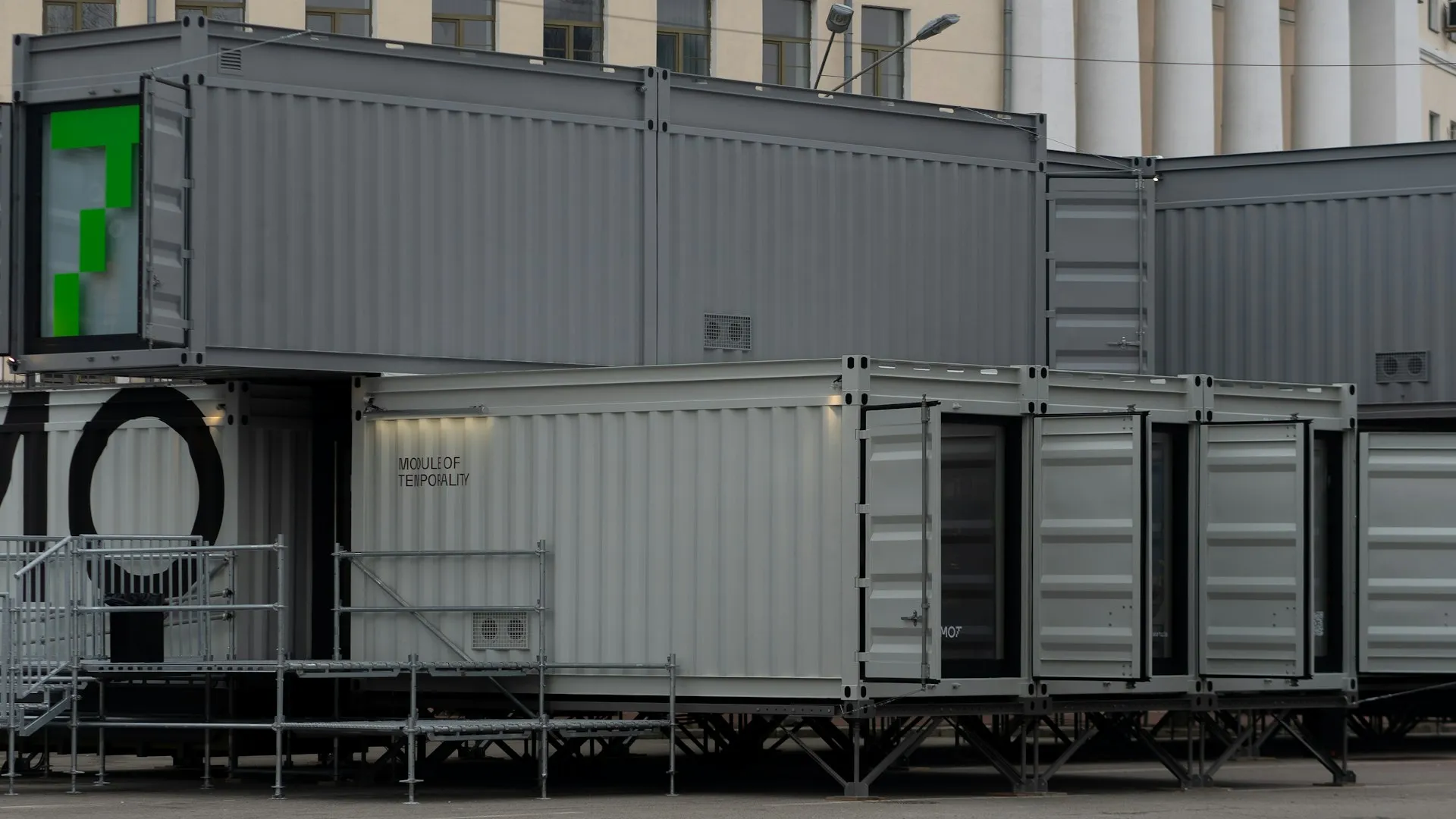
For most commercial and industrial facilities, the electricity bill has two very different parts. The energy charge pays for total consumption in kilowatt-hours. The demand charge pays for the single highest rate of power draw — typically the peak kilowatts averaged over a 15-minute interval anywhere in the month. Demand charges can be a large share of the bill, and they are driven by brief, infrequent spikes rather than steady use. That is precisely the problem behind-the-meter battery storage is built to solve.
Why demand charges are so painful
A facility can be efficient on a kilowatt-hour basis and still pay heavily for demand. A few minutes of simultaneous operation — a large compressor starting, a fast charger ramping up, a production line at full tilt — can set a peak that is billed for the entire period. The utility has to be ready to supply that peak whenever it occurs, so it charges for the capacity, not just the energy.
Reducing the peak therefore pays off out of proportion to the energy involved. You are not trying to use less electricity overall; you are trying to flatten the moment of highest draw.
Peak shaving: capping the spike
This is the core mechanism. An energy management system watches the site’s load in real time. As demand climbs toward a threshold, the battery’s power conversion system discharges to supply the difference, so the load the meter sees stays below the cap. When demand falls, the battery recharges — usually during off-peak hours when energy is cheap.
The battery has to be sized on two axes:
- Power (kW) — how much of the spike it can offset at once.
- Energy (kWh) — how long it can sustain that offset.
A peak that is high but short needs power more than energy; a long, broad peak needs both. Getting this sizing right against the facility’s actual load profile is the difference between a system that shaves the peak and one that runs out mid-event.
Time-of-use shifting: a second saving
Many tariffs also price energy by time of day. A battery that is already on site for peak shaving can store low-cost off-peak or surplus solar energy and discharge it during expensive on-peak windows. This time-of-use shifting attacks the energy charge, stacking a second saving on top of the demand-charge reduction.
Backup and resilience, included
Because the battery and its controls are already installed behind the meter, the same system can keep critical loads running through grid interruptions and power-quality events. For facilities such as data centres or continuous production, that resilience is part of the value, not an add-on.
What to bring to a sizing conversation
To size a system well, an engineer needs the facility’s interval load data — ideally a year of 15-minute readings — plus the applicable tariff, any on-site solar, and the loads that must stay up during an outage. From there the battery energy and power, cooling type and integration approach follow.
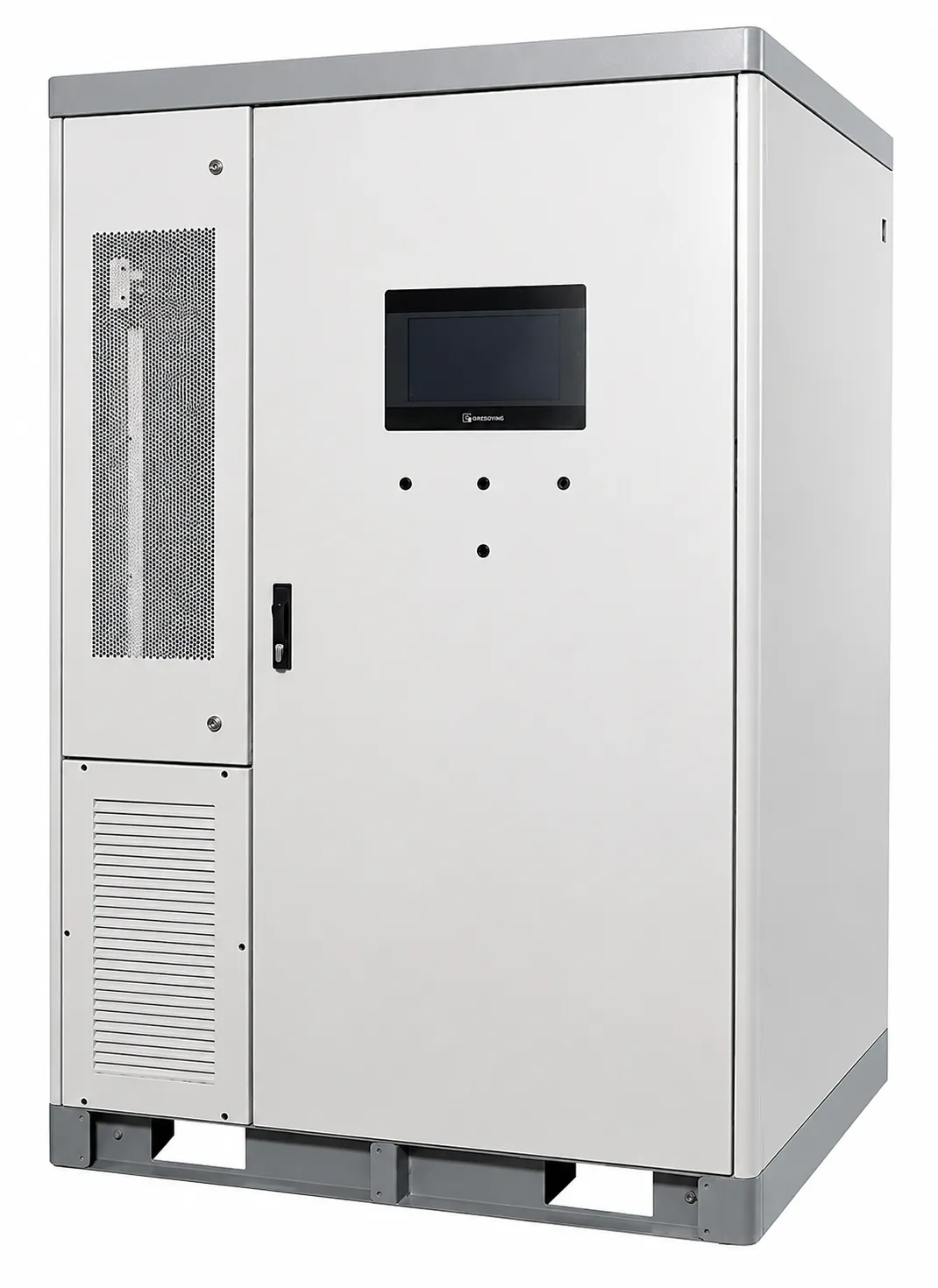
Entogo’s commercial and industrial storage systems are all-in-one cabinets that integrate the battery, BMS, EMS, power conversion and fire protection, in liquid- or air-cooled formats, and parallel-connect to scale with the load. Installed work is governed by codes including UL 9540, UL 1973 and NFPA 855. Specified against real load data, behind-the-meter storage turns the most punitive line on a commercial bill into a controllable one.