Two ways to connect a battery to a solar array
When a project pairs photovoltaics with a battery, one of the first architecture decisions is where the battery ties in — and it is easy to treat it as a wiring detail rather than the system-shaping choice it is. In an AC-coupled system the PV array has its own inverter and the battery has its own inverter; both connect on the alternating-current side, behind the point of common coupling. In a DC-coupled system the array and the battery share a direct-current bus and pass through a single hybrid inverter — or a PV inverter fed by a DC-DC converter — on the way to the grid.
That one decision ripples through energy yield, round-trip losses, retrofit flexibility, protection, and interconnection. Neither topology is universally better; the answer depends mostly on whether the solar and the storage are being built together or bolted together over time.
Why a DC bus captures energy an AC design loses
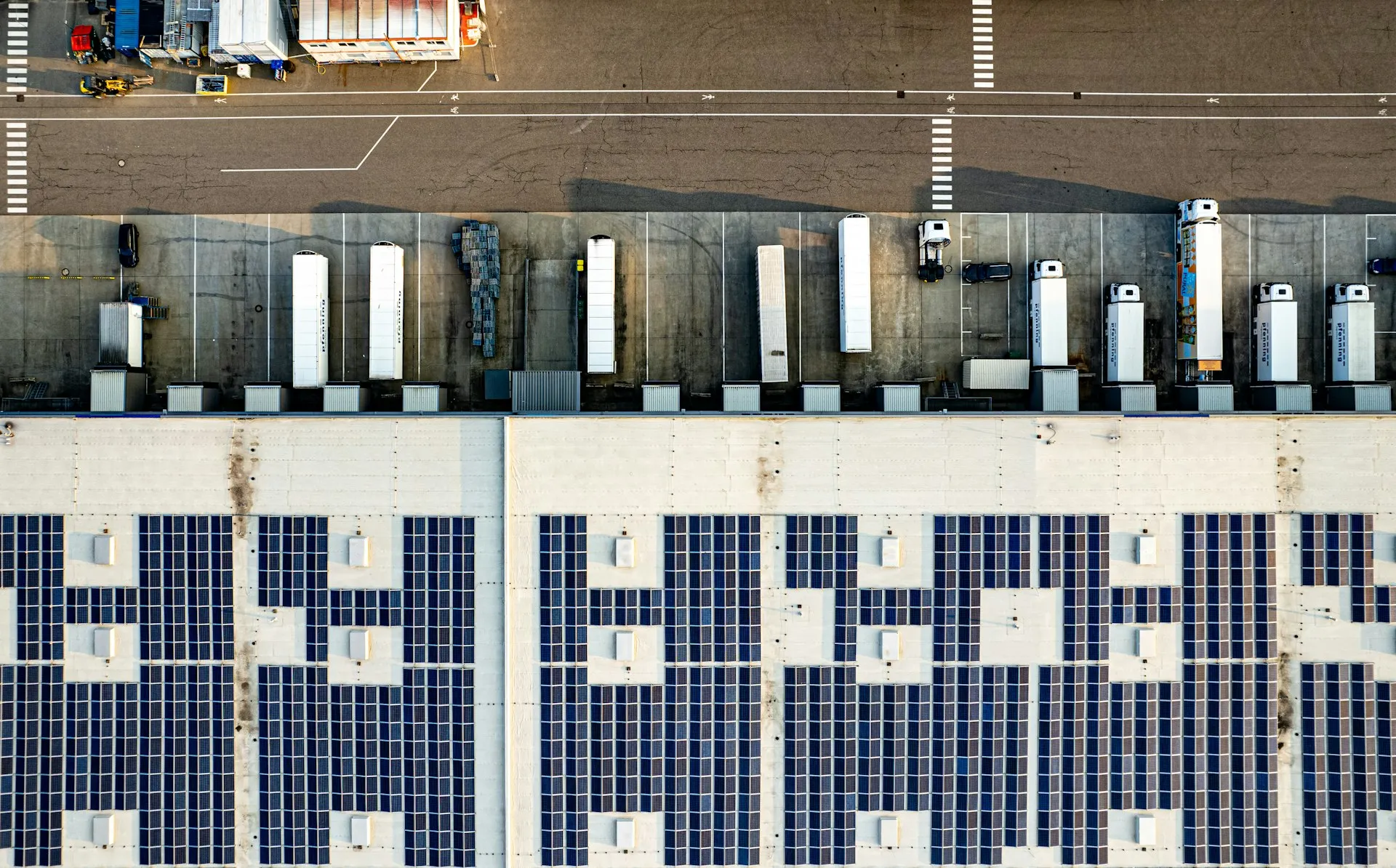
Developers routinely install more DC panel capacity than the inverter can pass. The ratio of array DC rating to inverter AC rating — the inverter loading ratio (ILR) — reached a capacity-weighted average of 1.25 across U.S. large-scale photovoltaics, with individual systems usually between 1.13 and 1.30. Oversizing the array relative to the inverter is deliberate: panels only reach peak output a few hours a year, so it rarely pays to size the inverter for that peak.
The trade-off is clipping. When irradiance is high, array output exceeds the inverter’s AC limit and the surplus is thrown away. On a DC-coupled system the battery sits on the same DC bus as the array, so it can absorb that clipped energy directly and dispatch it later. An AC-coupled battery can only charge from power that already passed through the PV inverter, so anything clipped upstream is gone before the battery can see it. The higher the loading ratio, the more a DC-coupled design recovers.
DC coupling also removes a conversion step. To store solar energy in an AC-coupled battery, power is converted DC to AC at the PV inverter, back to DC to charge, then to AC again to discharge. A DC-coupled charge path stays in direct current, so round-trip losses are modestly lower and there is one less inverter in the harvest path.
Where AC coupling still wins
AC coupling earns its place on retrofits and where the two assets need to act independently. Adding storage to an array that already operates is far simpler on the AC side: the existing PV inverter stays untouched and a self-contained battery energy storage system connects alongside it. Because the battery has its own inverter, its discharge power is not capped by the solar inverter — useful when storage must export more than the PV block can, or when solar and storage are sized on different schedules.
A shared inverter is also a shared point of failure and a shared power ceiling. On a DC-coupled string, an inverter outage takes both solar and storage offline; on an AC-coupled site, each can run without the other. For phased projects, mixed vendors, or independent operations and maintenance, that separation is worth real money.
What changed on the incentive side
Architecture used to be driven partly by tax rules. Older federal solar-credit treatment effectively rewarded a battery only to the extent it charged from the co-located array, which pushed many projects toward DC coupling to prove the charging source. The clean electricity investment credit under IRC section 48E now treats energy storage technology as qualifying property in its own right, with no requirement that it be charged from a co-located solar array. That decoupling turns the topology back into an engineering decision rather than a tax-driven one — though project-specific tax guidance still belongs with a qualified advisor.
Where each makes sense
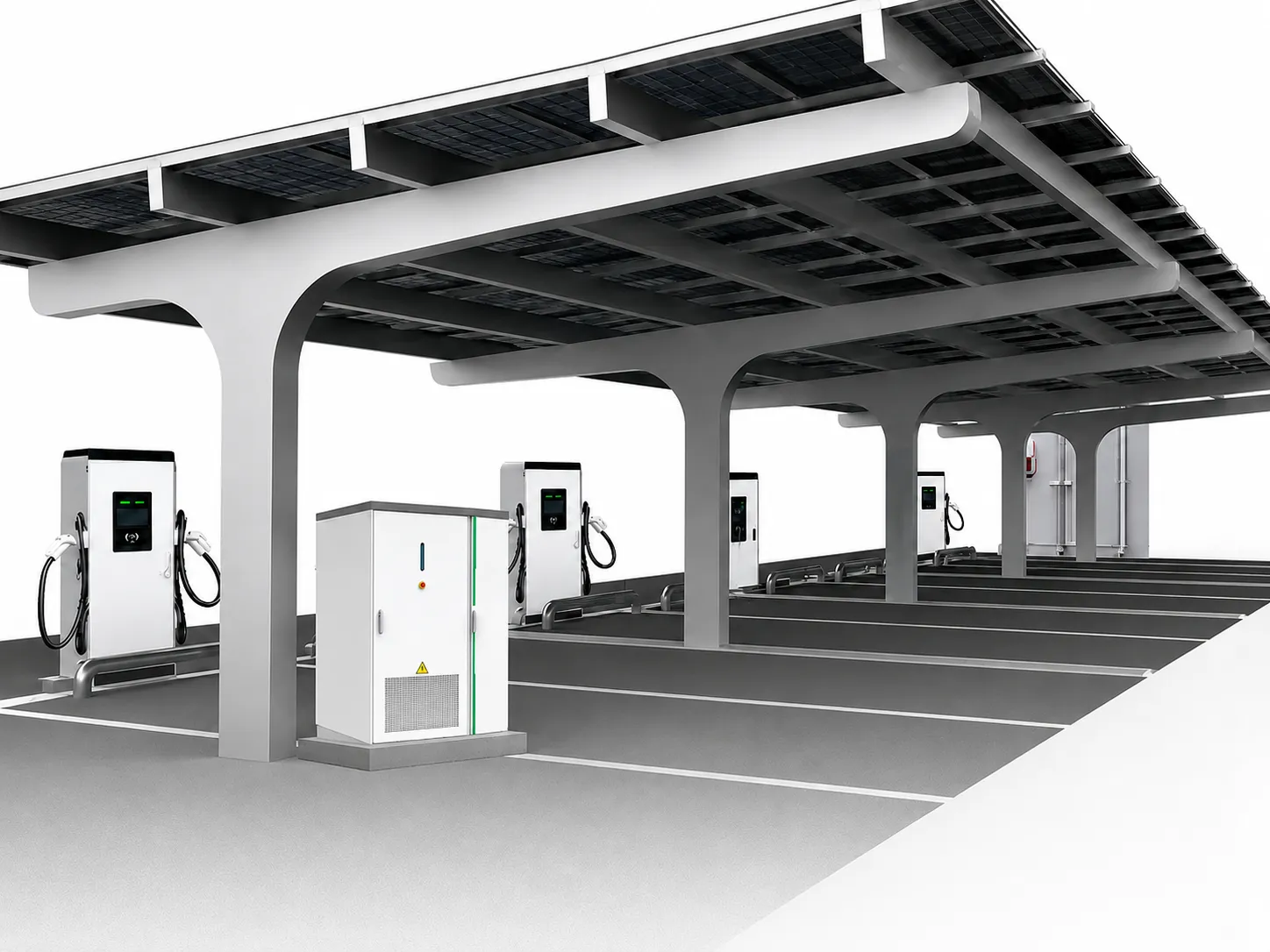
- Lean DC-coupled for new-build solar-plus-storage designed as one system, high loading ratios where clipping recovery matters, a single interconnection, and the lowest conversion losses — the pattern behind an integrated DC-coupled energy storage and charging system or a DC-coupled grid-forming hybrid system.
- Lean AC-coupled for retrofits, storage sized independently of the PV inverter, phased construction, and sites that need solar and storage to fail and operate separately.
What a buyer should specify
- Loading ratio and expected clipping. Model the array-to-inverter ratio and annual clipped energy; that number is what a DC-coupled design monetizes and an AC-coupled design forgoes.
- Inverter and grid-support functions, governed by UL 1741 and IEEE 1547-2018 — voltage and frequency ride-through, ramp control, and reactive power that the interconnecting utility will require.
- Storage safety and siting, designed and built to UL 9540 with thermal-runaway data per UL 9540A and installation per NFPA 855.
- Interconnection and wiring under NEC Article 705, with PV to Article 690 and stationary storage to Article 706; confirm DC bus voltage windows and converter compatibility across array, battery, and inverter.
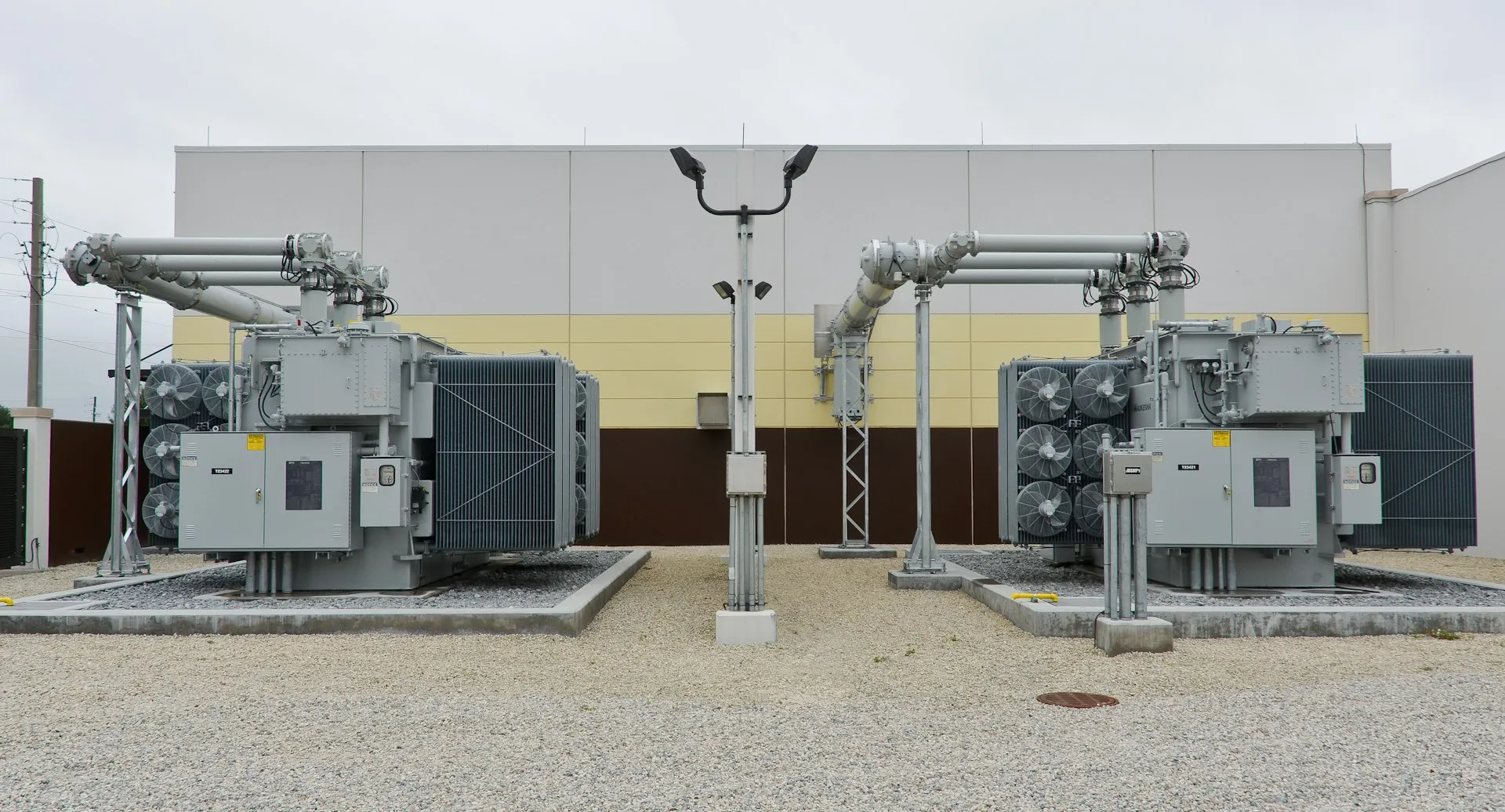
- Skid or enclosure scope, so DC bus work, converters, and protection arrive coordinated rather than field-assembled — as in a solar-storage skid substation or a new-energy grid-connection cabinet.
Building the decision in, not around
Because the DC-versus-AC choice hinges on how solar, storage, and grid connection are packaged, it is easiest to get right when the DC bus, converters, protection, and enclosure are engineered as one deliverable instead of stitched from separate suppliers. Entogo’s solar-storage-charging, commercial and industrial storage, and renewable grid-connection lines are built in its own factory and designed and built to the standards above, UL (cULus)/CSA certifiable on request. Sites that want the clipping-recovery and efficiency edge of DC coupling — or the retrofit flexibility of AC coupling — can specify either and have the balance-of-system matched to it. For a topology review against your loading ratio and interconnection terms, contact Entogo.