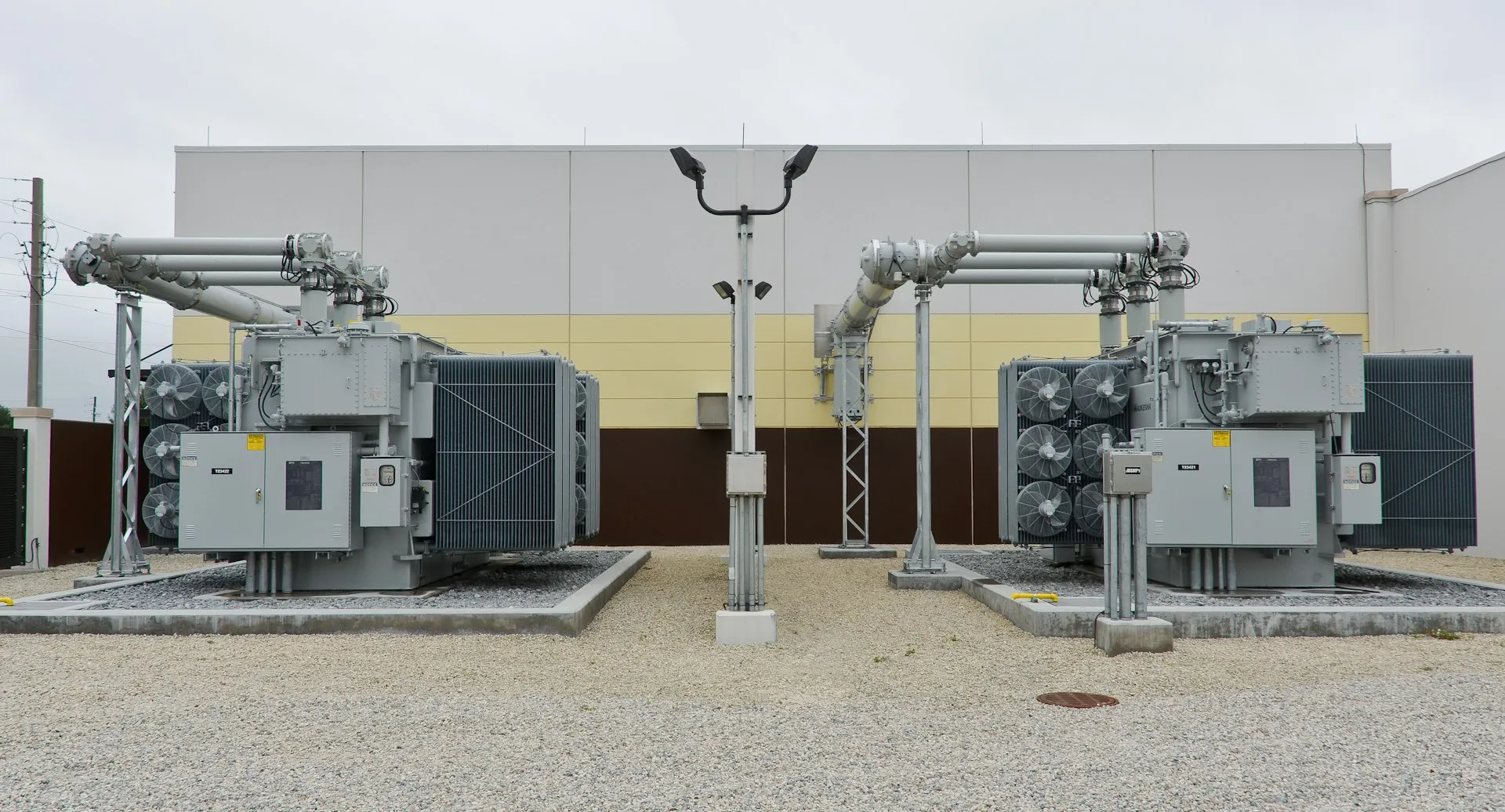
When a project needs to step voltage up or down — connecting a solar farm, energising a development, or feeding a charging hub — the substation is often on the critical path. The traditional approach builds it up from individual components on site over months. A prefabricated substation flips that model: the unit is assembled and tested in a factory and delivered as a package. Knowing when each approach wins is worth real time and money.
What “prefabricated” actually means
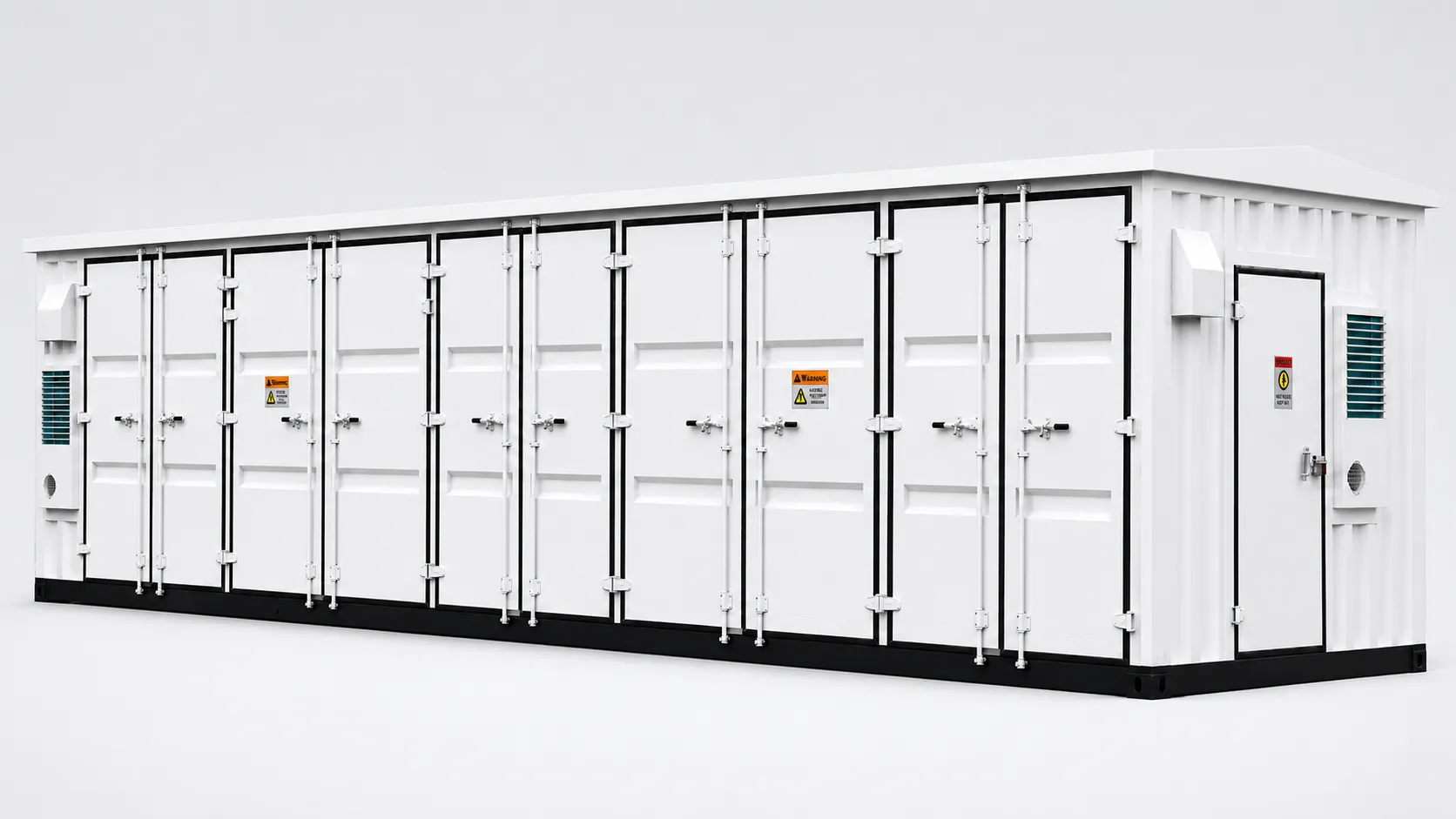
A prefabricated substation — also called a packaged or box-type substation — integrates the major elements of a distribution substation into one factory-built enclosure:
- the transformer, stepping between voltage levels;
- the medium-voltage switchgear on the incoming side;
- the low-voltage distribution on the outgoing side;
- plus protection, metering and auxiliary systems.
Because these are combined and wired in the factory, the substation arrives as a coordinated unit. On site, the work is largely preparing a foundation, placing the unit, and making external connections.
Where modular wins
Speed and schedule certainty
The headline advantage is time. Conventional construction sequences many trades on site — civil works, structures, equipment installation, wiring, commissioning — each dependent on the last and exposed to weather and labour availability. A prefabricated unit moves most of that into a factory running in parallel with site preparation. Months of field work compress into days of installation, and the schedule is far more predictable.
Factory-tested quality
A unit assembled in a controlled environment is tested as a complete system before it ships. Faults are found and fixed on the factory floor, not during field commissioning where they are expensive and disruptive. The site sees a unit that has already proven it works.
Footprint and siting
Packaged substations are designed to be compact, which matters where land is scarce or expensive — urban developments, rooftop and podium installations, and sites where the substation competes with revenue-generating space.
Repeatability
For programmes that repeat a design across many sites — a fleet of charging hubs, a portfolio of renewable projects — a standardized prefabricated unit turns each substation into a known quantity, with consistent quality and a supply chain that can scale.
Where conventional still fits
Modular is not always the answer. Very large utility-scale substations can exceed the ratings practical for a packaged unit. Highly bespoke configurations, unusual site geometries, or installations that must integrate with extensive existing infrastructure may still favour a built-up design. The honest comparison is project-specific: rating, footprint, schedule and how many times the design will be repeated.
Specifying a prefabricated substation
The core inputs are the voltage levels and transformer rating, the incoming and outgoing configuration, the short-circuit and protection requirements, and the environmental conditions at the site. From there the enclosure, switchgear and distribution are configured. Because the unit is integrated, these have to be specified together so the package is coordinated end to end.
Entogo supplies prefabricated and modular substations alongside the transformers and medium- and low-voltage switchgear that go inside them, including PV-integrated box substations for renewable grid connection. Equipment is built to internationally recognized standards for the North American and global markets. For projects where the clock is the constraint, the modular substation usually wins — and increasingly, it is the default.