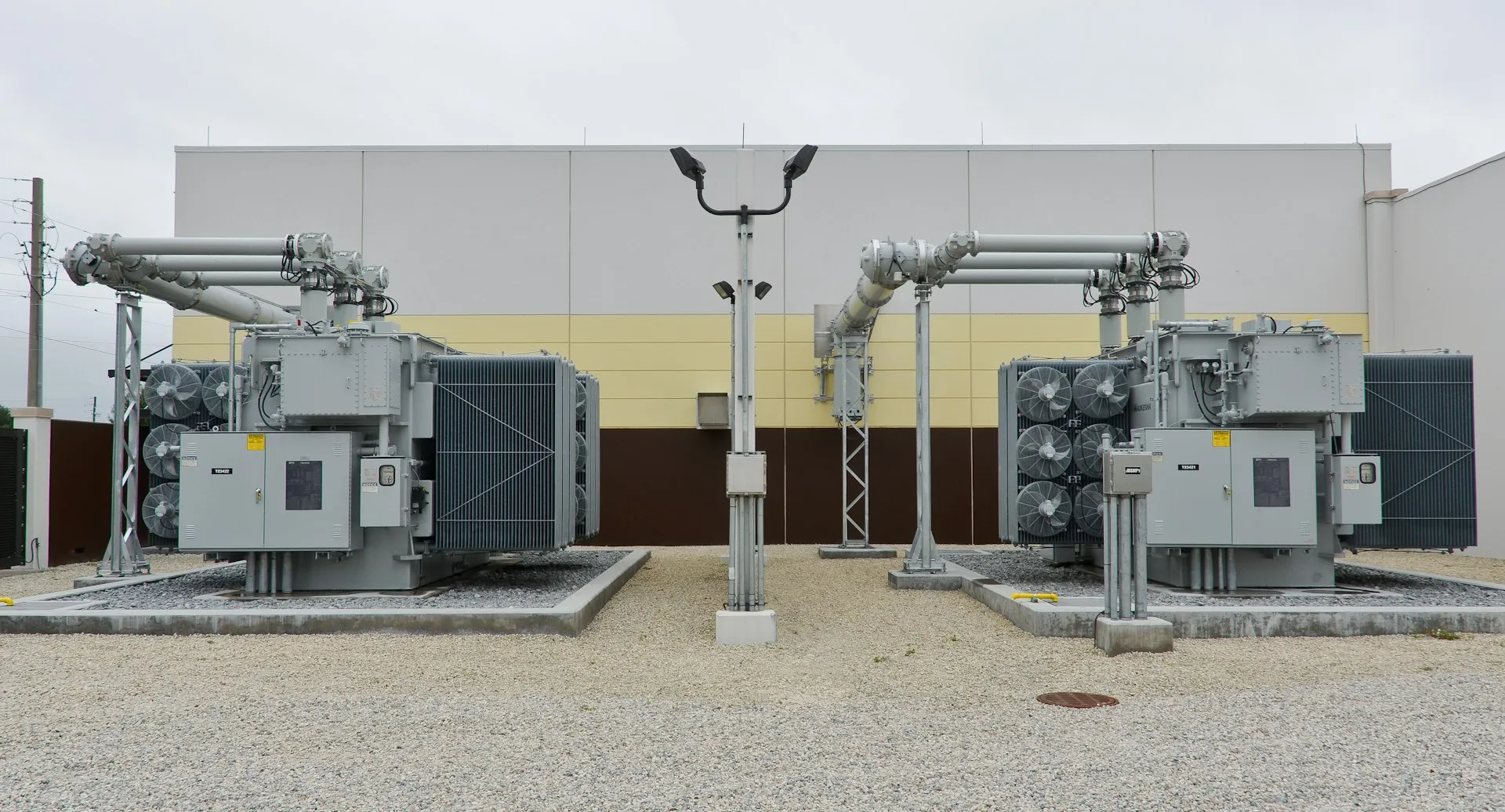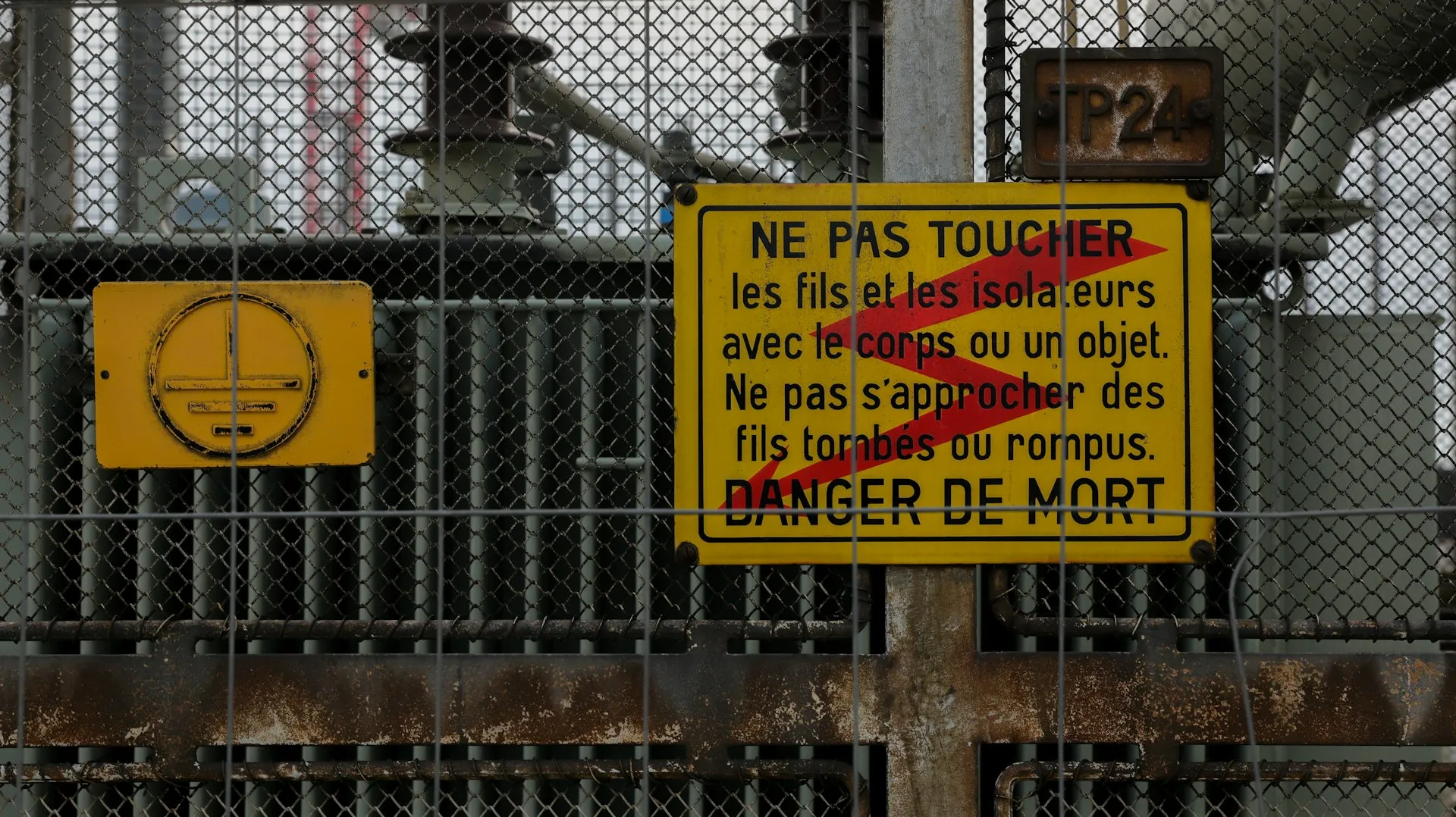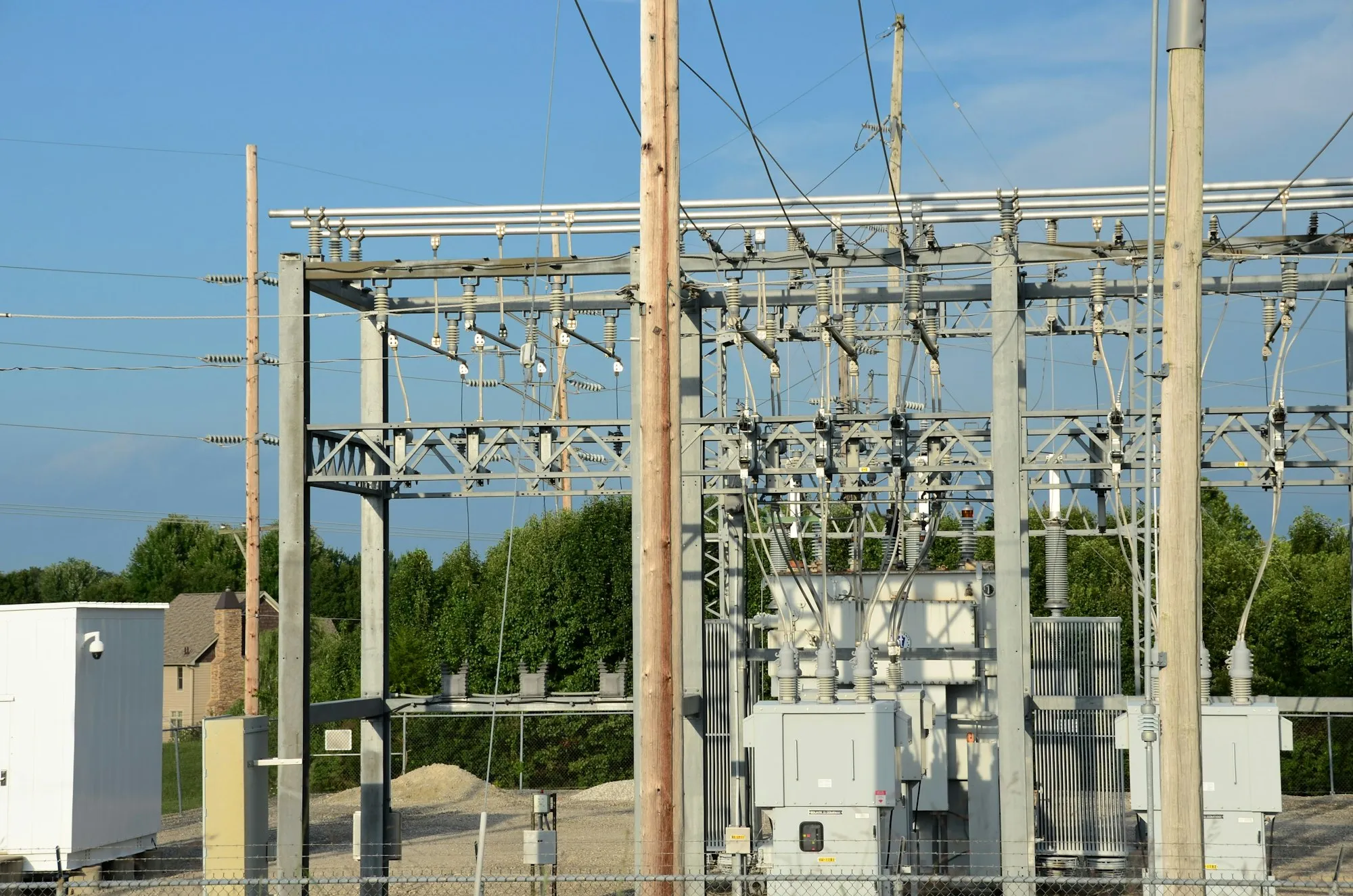
A transformer can be perfectly built, fully tested at the factory and sitting on a pad in Ontario — and still be illegal to energise. In Canada, the gate is not whether the unit works; it is whether it is “approved” in the specific sense the Canadian Electrical Code uses that word. For an imported transformer, that single requirement is the difference between commissioning on schedule and a stop-work order from the inspector. Here is how the approval system actually works, and what a buyer should confirm before the equipment ships.
What “approved” means in Canada
The governing document is the Canadian Electrical Code, Part I (CSA C22.1) — the CE Code — published by CSA Group and adopted, edition by edition, into law by each province and territory. Its Rule 2-024, “Approval of equipment,” is short and decisive: in substance, it requires that electrical equipment used in an installation be approved, and be of a kind, type and rating approved for the purpose for which it is used.
“Approved,” in the Code’s defined sense, is not a vague endorsement. Equipment is approved when it is one of the following:
- Certified by a certification organisation accredited by the Standards Council of Canada (SCC) to the applicable Canadian standard; or
- Field-evaluated for the installation, in conformance with the CSA model code SPE-1000 (covered below); or
- Otherwise accepted as conforming by the regulatory authority having jurisdiction.
Everything else in this article is detail on those three routes. The headline a procurement team needs is simple: a transformer’s factory test report, its CE marking, or a US-market certification do not by themselves make it “approved” in Canada. A Canada-recognised mark has to be on the nameplate, or a field-evaluation label in the file.
Who decides: the provincial authorities
Canada has no single national electrical regulator. Electrical safety is administered province by province, and the body that actually accepts or rejects the approval evidence — the authority having jurisdiction (AHJ) — is provincial. The CE Code is the common technical baseline; each jurisdiction adopts it (often with local amendments) and enforces it through its own inspectors.
| Province / territory | Authority having jurisdiction (AHJ) |
|---|---|
| Ontario | Electrical Safety Authority (ESA) |
| British Columbia | Technical Safety BC |
| Québec | Régie du bâtiment du Québec (RBQ) |
| Alberta | Municipal Affairs / the Safety Codes system |
| Saskatchewan | Technical Safety Authority of Saskatchewan |
| Manitoba | Inspection and Technical Services |
| Atlantic provinces | Provincial technical-safety / labour departments |
(Authority names per each jurisdiction’s safety-codes legislation; rosters shift as provinces restructure their safety agencies.)
The practical consequence is that the local inspector has the final word. Two identical transformers can face slightly different documentation expectations in two provinces, and a mark or report that satisfies one AHJ should still be confirmed with the one that will actually sign off the installation.
Certification marks: why a US-only mark is not enough
When a transformer is certified rather than field-evaluated, the proof is a certification mark from an SCC-accredited body. The single most common mistake on imported equipment is bringing a mark that is valid only in the United States.
The convention is an indicator letter beside the mark: “c” means Canada, “us” means the United States. Read the mark accordingly.
| Mark on the nameplate | Recognised in the US | Recognised in Canada |
|---|---|---|
| UL Listed (no “c”) | Yes | No |
| cUL (Canada only) | No | Yes |
| cULus | Yes | Yes |
| CSA (standalone) | No | Yes |
| cCSAus / cETLus | Yes | Yes |
A US-only “UL Listed” mark certifies compliance to US standards and is not accepted by a Canadian AHJ. The marks that work in Canada carry the “c” indicator — cULus from UL Solutions, cETLus from Intertek (ETL), the CSA mark itself, or the ULC mark — and the dual cULus / cCSAus marks certify a unit to both Canadian and US requirements simultaneously, which is why they are the practical target for equipment meant to move across the border.
The bodies that issue these marks are accredited by the SCC. The accredited field for transformers includes CSA Group, UL Solutions (and ULC), Intertek (ETL), QPS Evaluation Services, TÜV SÜD and others — any of them can issue a Canada-recognised mark; none of them is a shortcut around the standards.
Field evaluation: the SPE-1000 path
Not every transformer arrives with a certification mark. A one-off special, a unit built to a custom spec, an imported transformer certified only for another market, or a used unit being redeployed — these reach the site unmarked for Canada. The route to a legal energisation is field evaluation, also called special inspection or field certification.
Field evaluation follows CSA SPE-1000, “Model Code for the Field Evaluation of Electrical Equipment” — a CSA model code maintained for exactly this purpose. A field-evaluation body recognised by the provincial AHJ inspects and tests the specific unit(s) on site against the applicable requirements; a unit that passes receives a field-evaluation label the inspector accepts as equivalent, for that installation, to a certification mark.
Two properties of field evaluation are easy to miss and important to plan around:
- It is per-unit, not per-product. It approves the exact transformers inspected. It does not make the model line “certified,” and the next unit needs its own evaluation.
- It is slower and costlier per unit than buying already-certified equipment, and it adds a site-dependent step to the schedule. For a single prototype it is the right tool; for a fleet it is the expensive way to do what a certification mark does once.
Field evaluation is a genuine, code-recognised path — but it is a fallback. The cleaner outcome is a transformer that already carries a Canada-recognised mark, or a supplier who can take it through certification before it ships.
Which standards a transformer is certified to
Approval is always against a standard. For transformers, the Canadian product standards are the CSA counterparts to the US ANSI/IEEE C57 series, and a transformer destined for both markets is typically certified to both.
| Transformer type | Primary Canadian (CSA) standard | US counterpart (ANSI/IEEE) |
|---|---|---|
| Liquid-filled power transformers | CSA C88 | IEEE C57.12.00 / .10 |
| Dry-type transformers | CSA C9 | IEEE C57.12.01 |
| Liquid-filled distribution transformers | CSA C2.1 | IEEE C57.12.20 / .34 |
| Pad-mounted distribution transformers | CSA C227 family (e.g. C227.4) | IEEE C57.12.28 / .34 |
(CSA standard families per CSA Group’s published catalogue; C88 covers liquid-filled power transformers and reactors and excludes dry-type, which is why C9 is separate.)
This is why “designed and built to ANSI/IEEE and CSA” is a meaningful claim and “CE-marked” is not, for Canada: CE attests conformity to European directives, which a Canadian inspector does not enforce. The transformer has to be evaluated against the CSA/C57 requirements before a Canadian mark or field label can be issued.
Why this is a procurement problem, not a paperwork problem
Approval looks like a documentation detail until it lands on the critical path. Two forces make it one right now.
The first is supply. Natural Resources Canada’s 2026 national electricity strategy, Powering Canada Strong, describes a grid that is highly import dependent — particularly on the United States — for some of its most critical components, and notes that transformers and switchgear are already in short supply globally, with elevated costs and multi-year backlogs. Domestic production of this equipment, by NRCan’s figures, fell from 58% of supply in 2018 to 52% in 2023. In that market, re-ordering because a unit cannot be approved is not a minor delay; it is re-entering a queue measured in months to years.
The second is sequence. Certification and field evaluation are far cheaper and faster when they are planned before the unit is built than when they are discovered at the loading dock. A transformer engineered against the CSA/C57 requirements and routed to certification up front avoids the worst outcome: fully manufactured equipment that is mechanically fine and legally unusable.
Where Entogo fits
Entogo is a Canada-based manufacturer of transformers, prefabricated substations and switchgear, headquartered in Toronto and running its own vertically integrated source factory. Its catalogue is built to European-standard (IEC/CE) designs, and it builds to ANSI/IEEE and CSA on order, with UL/CSA certifiable on request — the certification pathway that produces a Canada-recognised mark rather than a US-only one.
That sequencing is the point. Where a transformer needs new North-American certification before it can be energised, Entogo treats that as part of the build and guarantees delivery within 36 weeks including the certification step, against standard catalogue lead times averaging 12 weeks. Being a Canadian entity, designing to the right standards and resolving approval before the unit ships is what keeps the inspector’s sign-off off a project’s critical path.
For the wider procurement picture, the companion pieces on transformer lead times in North America and the grain-oriented electrical steel supply chain cover why the merchant queue looks the way it does. The lesson of the approval question is narrower and just as practical: in Canada, a transformer is not finished until it is approved — and approval is a decision worth designing in, not discovering late.
Official references
The authorities and documents this article draws on, for readers who need the primary source:
- Canadian Electrical Code, Part I (CSA C22.1) — CSA Group: csagroup.org
- Standards Council of Canada (SCC) — national accreditation body for certification organisations: scc-ccn.ca
- Electrical Safety Authority (ESA) — Ontario: esasafe.com
- Technical Safety BC — British Columbia: technicalsafetybc.ca
- Régie du bâtiment du Québec (RBQ) — Québec: rbq.gouv.qc.ca
Provincial codes and standard editions are updated periodically; confirm the edition in force with the authority having jurisdiction for your project.