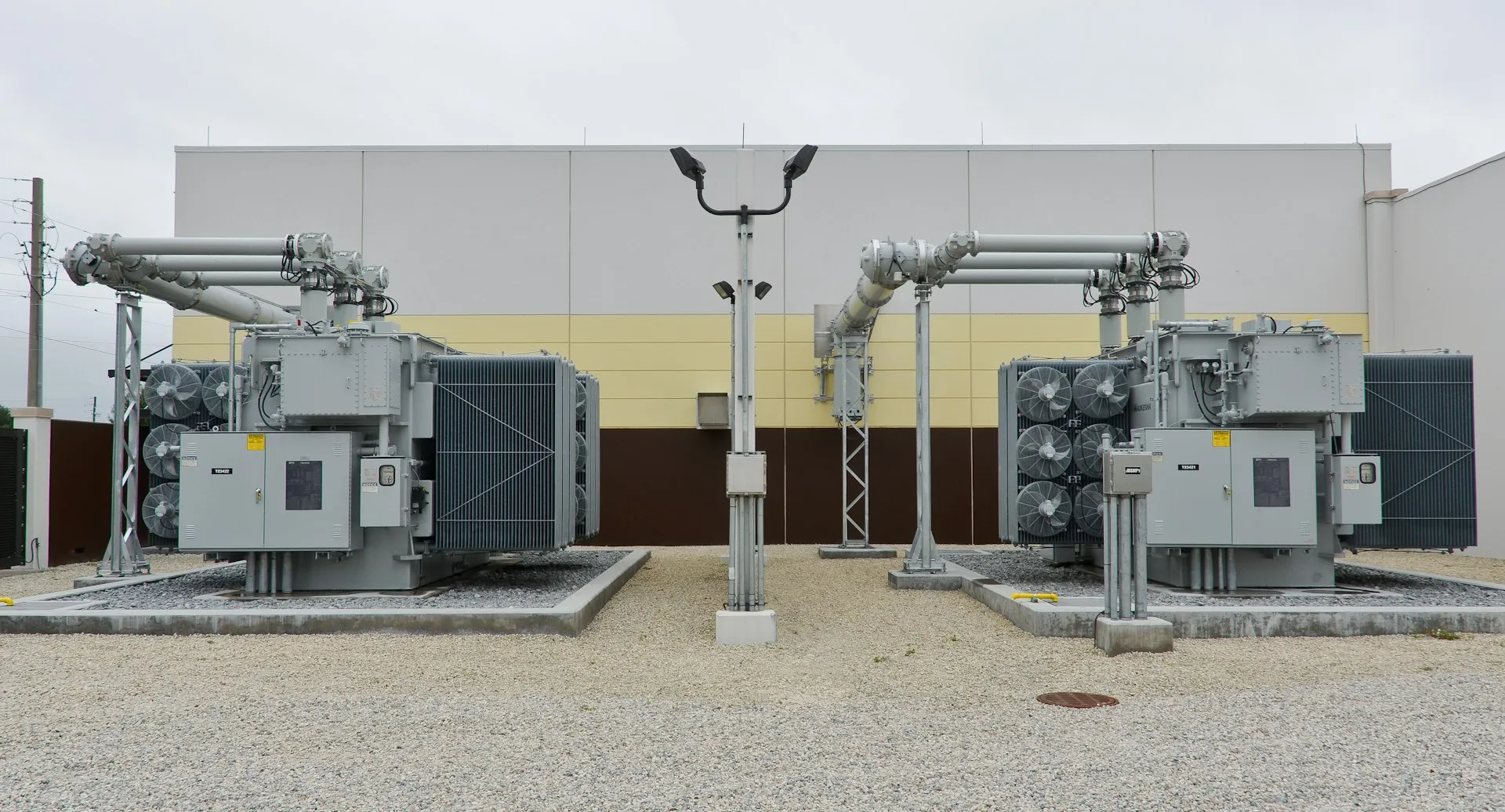
If you are planning a data center, a substation, a renewable interconnection or a fleet replacement in 2026, the same question keeps surfacing: how long will the transformer take? The honest answer for the merchant market is uncomfortable — commonly one to four years, and even ordinary distribution transformers have slipped from a few months to a year or more. Below is why, and what actually moves the timeline.
What are transformer lead times right now?
There is no single number, because it depends on the type of unit and where you buy it. But the broad picture across North America in 2026 looks like this:
- Large power transformers (utility and substation class): frequently quoted at one to four years in the merchant market.
- Distribution transformers (pad-mount, pole-mount): stretched from a historical few months to roughly one year or more.
- Made-to-order specials: longest of all, because they sit behind the standard backlog.
These are merchant-market ranges. The critical point — returned to below — is that lead time is set far more by who you buy from than by the physics of building a transformer.
Why have lead times exploded?
Three forces have collided.
The GOES bottleneck
Every power transformer needs grain-oriented electrical steel (GOES) for its core, and GOES is produced by only a handful of mills worldwide. Industry analysts including Wood Mackenzie have documented how this concentrated supply, combined with raw-material price inflation, has become the binding constraint on transformer output. When the core steel is rationed, everything downstream waits.
A demand surge led by data centers
Demand has climbed faster than at any point in recent memory. AI and hyperscale data centers are requesting hundreds of megawatts per campus; electrification and renewable interconnection add more. The U.S. Department of Energy has repeatedly flagged transformer availability as a grid-reliability concern, not merely a procurement inconvenience.
An aging fleet hitting its replacement wave
Much of North America’s installed transformer base is decades old, with a large share near or beyond its original design life. As these units approach failure, a replacement wave competes for the same scarce manufacturing capacity as all the new load growth. A utility replacing a 40-year-old unit and a hyperscaler building a new campus are bidding for the same slot.
Will it get better?
New GOES and transformer manufacturing capacity is being announced and built in North America — but new lines take years to commission, and demand is still rising. The consensus across industry analysis is that the squeeze persists into the late 2020s. Waiting for the market to loosen is not a project strategy.
What actually shortens the timeline?
Here is the part the lead-time conversation usually misses: the multi-year figures describe the merchant market — the queue you join when you buy from a broker or a manufacturer running at capacity against everyone else’s orders. It is not a law of nature.
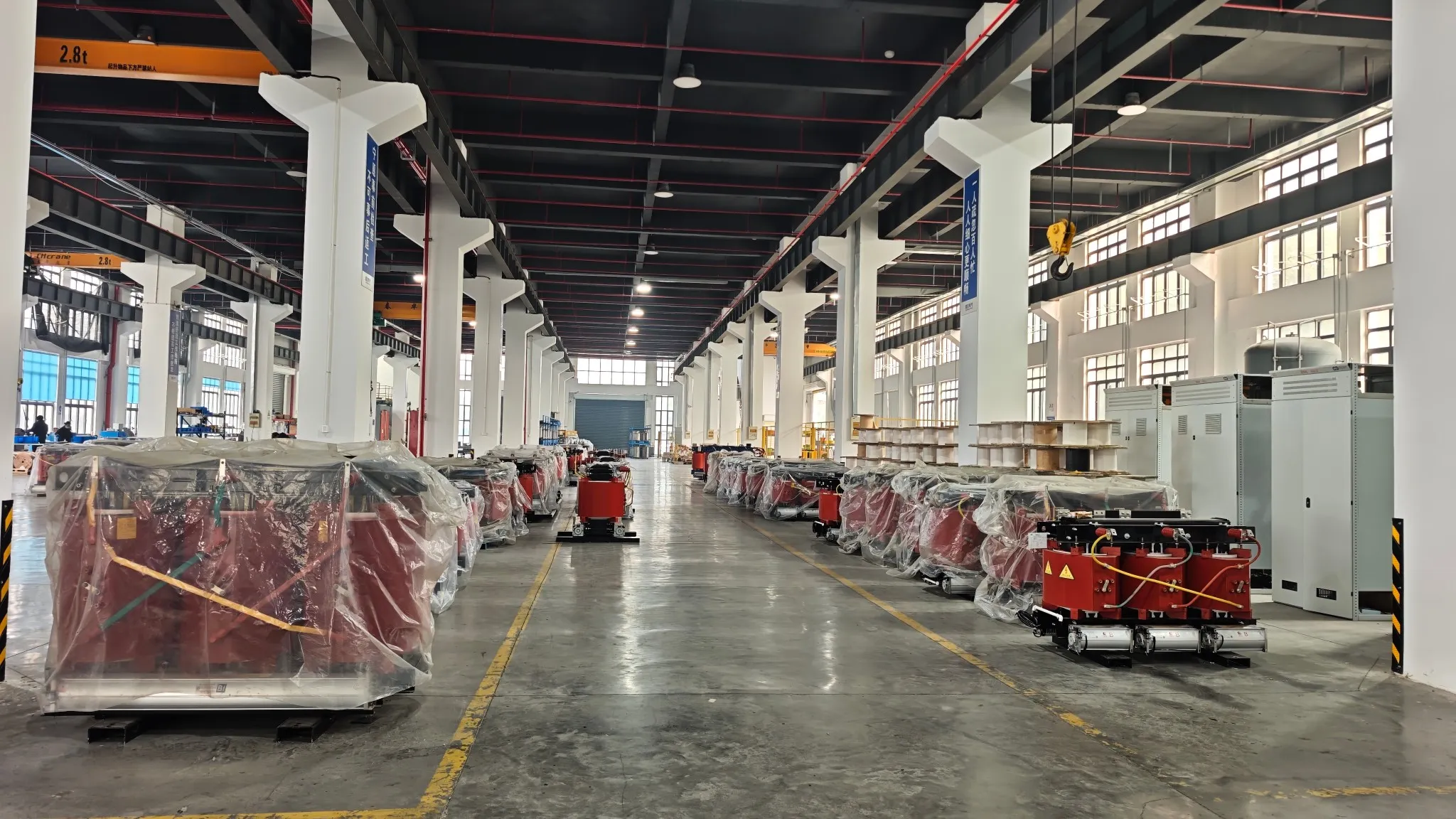
A manufacturer that operates its own source factory with a vertically integrated supply chain is not standing in that queue in the same way. It controls production scheduling and material flow directly, so its delivery clock is set by its own capacity rather than the merchant backlog.
That is Entogo’s position. Entogo is a Canada-based manufacturer of transformers, prefabricated substations and switchgear with its own source factory and full supply-chain control. European-standard (IEC/CE) catalogue equipment ships in an average of 12 weeks. Even in the most demanding case — a product that requires new UL or other North-American certification before it can energise — Entogo guarantees delivery within 36 weeks.
Set against an industry baseline of one to four years, that is not a marginal improvement; it is a different category of timeline. For a data center that needs to energise, a utility replacing an aging fleet, or an EPC contractor holding a critical-path milestone, the lesson of 2026 is that lead time is a sourcing decision — and it is the decision most worth getting right early.