Why does adding EV chargers strain a site’s electrical service?
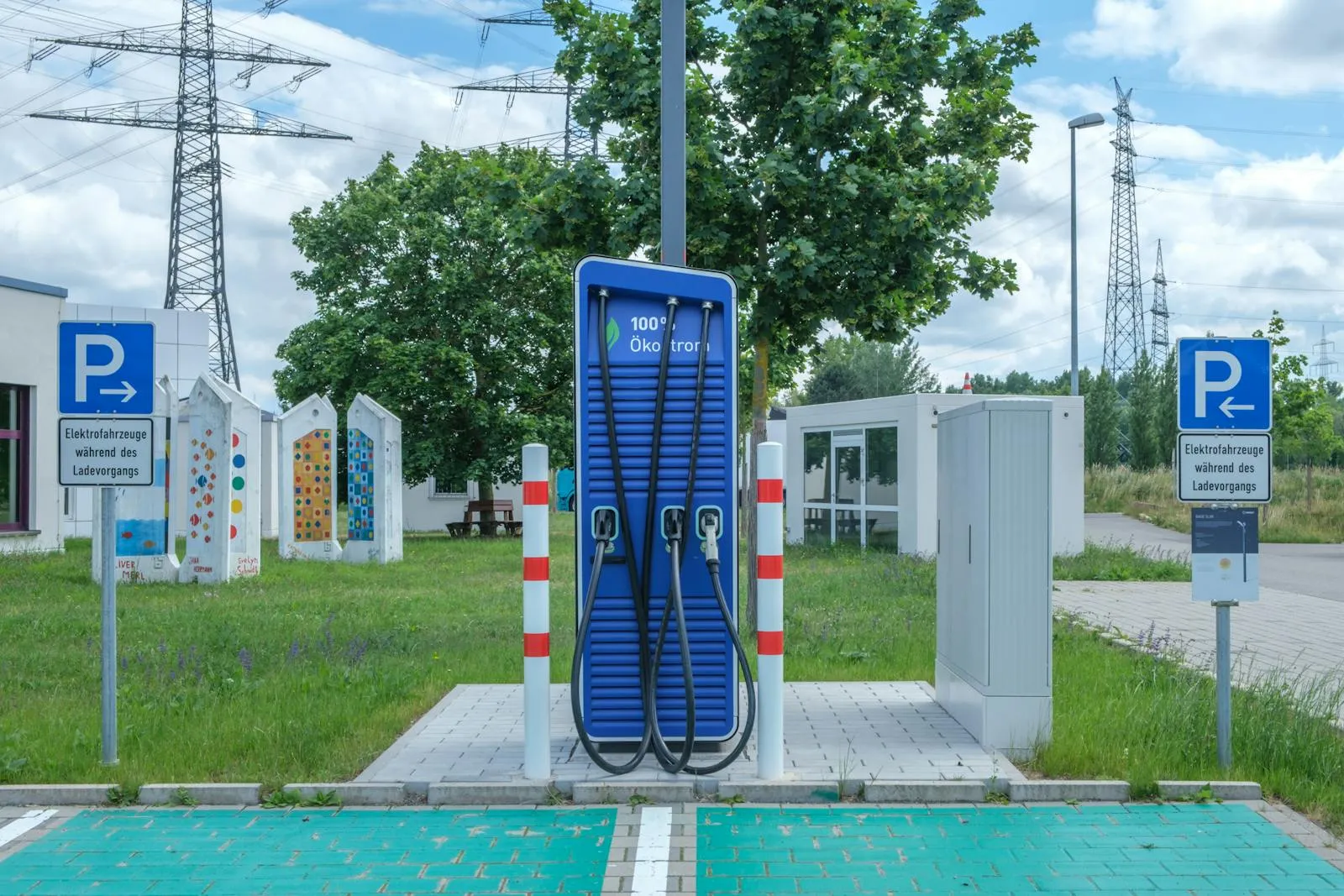
The problem rarely starts at the charger. A single DC fast charger can draw more than a small commercial building, and a bank of Level 2 AC chargers adds up quickly. Under the National Electrical Code, EV charging is treated as a continuous load — a load whose maximum current is expected to run for three hours or more — so NEC 625.42 requires the circuit to be sized against that continuous rating. The general rule in NEC 210.20(A) sets the overcurrent device at “the noncontinuous load plus 125 percent of the continuous load,” which pushes the design current well above the nameplate figure.
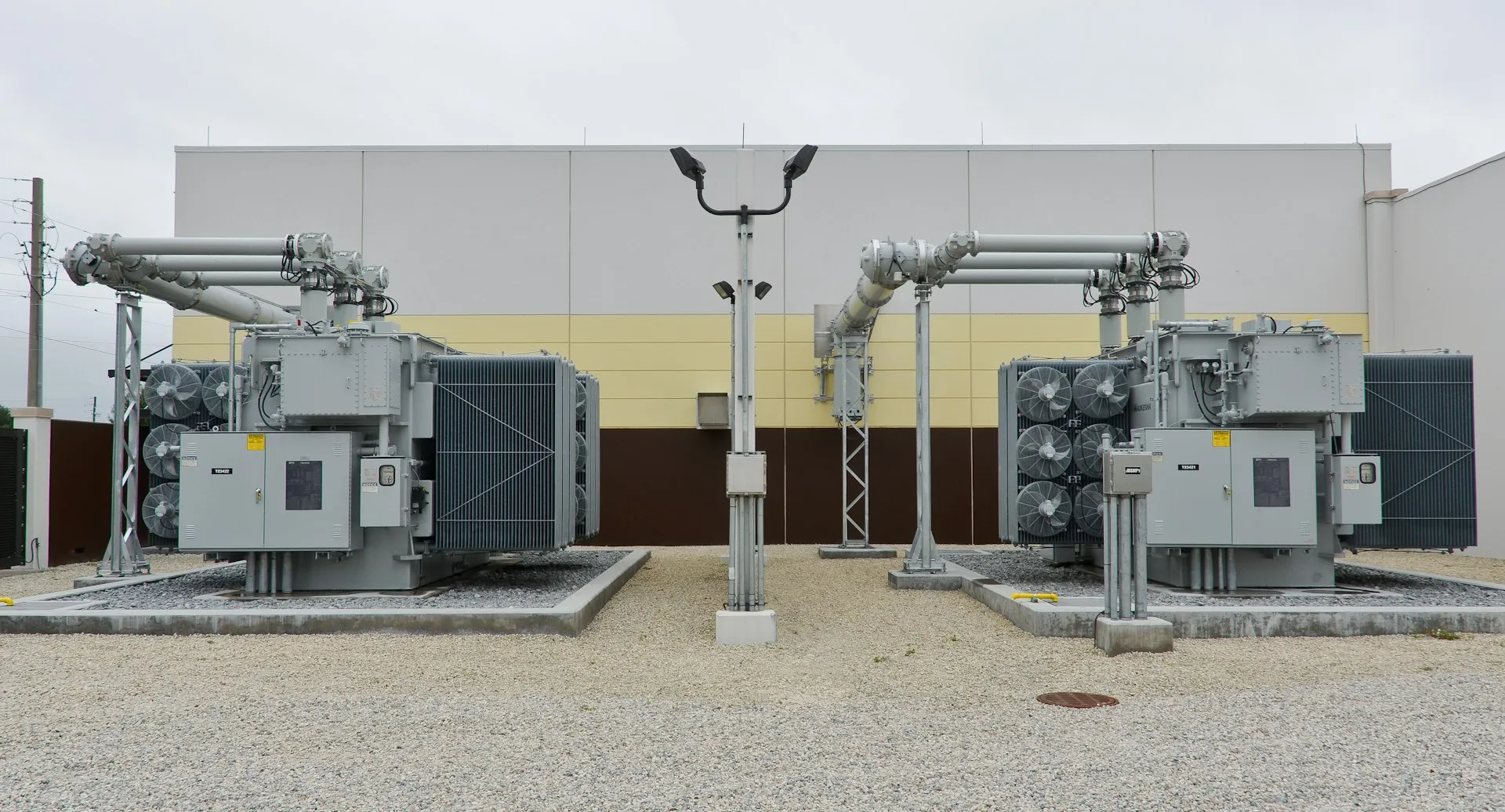
Size every port at full nameplate, multiply by 1.25, and the numbers escalate fast. A dozen high-power ports computed this way can demand a service far larger than the site actually needs, because in practice the ports are almost never all at peak simultaneously. The result is an oversized — and often utility-triggering — service upgrade: a bigger transformer, a larger switchboard, sometimes a new utility feed. That upgrade is frequently the single largest and most avoidable line item on an EV project.
How does load management change the calculation?
The 2023 NEC recognized this gap. The parent text of 625.42 now lets the overall rating of the installation be limited through controls under two methods.
Energy management systems — NEC 625.42(A)
Where an energy management system (EMS) compliant with NEC Article 750 provides load management, “the maximum equipment load on a service and feeder shall be the maximum load permitted by the EMS.” In plain terms, the site is sized to the ceiling the controller enforces, not the sum of every charger’s nameplate. An EVEMS monitors real-time current and throttles or sequences ports so their combined draw never exceeds the feeder or service rating. Ten ports can share the capacity that two would otherwise reserve, and power is reallocated as vehicles finish.
EVSE with adjustable settings — NEC 625.42(B)
The second path fixes the ceiling in hardware. EVSE “with restricted access to an ampere adjusting means complying with 750.30(C)” can be set to a lower continuous rating, with the adjusted value marked on the rating label. This suits smaller sites that want a predictable, hardware-limited draw without a networked controller.
Both methods are permitted only where the limiting control is itself listed and the branch, feeder, and service are protected at the managed value.
Where does load management make sense?
- Multi-port workplace and fleet depots, where vehicles dwell for hours and full simultaneous power is unnecessary.
- Retrofits in existing buildings, where spare service capacity is limited and a utility upgrade is slow or costly.
- Phased rollouts, where load sharing lets a site add ports later without re-pulling feeders.
It makes less sense where every port must deliver rated power on demand — some public DC fast-charging corridors — though even there, pairing chargers with a battery energy storage system can shave the peak grid draw the service must support, an approach detailed under commercial and industrial storage.
What should a buyer specify?
- The diversified design load the EMS will enforce, and confirmation that the service, feeder, and overcurrent protection are sized to that value per NEC 625.42(A).
- Whether load management is networked (EVEMS) or hardware-limited per 625.42(B), and who holds access to the ampere-adjusting means.
- Behavior on a controller or communications failure — a compliant system must fail to a safe, lower current, not to full nameplate.
- Metering and revenue needs, which may call for a CT-metering distribution cabinet or a dedicated section in the distribution switchboard.
- Utility rules, since the DOE’s Alternative Fuels Data Center notes that utilities may “mitigate grid impacts by offering managed charging,” and some jurisdictions require it.
Getting the load calculation right upstream determines the size of the switchboard, the transformer, and the interconnection — decisions that are hard to reverse once conductors are pulled and concrete is poured.
Where does this leave a project team?
Load management turns EV charging from a service-capacity problem into a controls-and-coordination problem — cheaper, faster, and easier to phase. But the saving depends on the charging equipment, the distribution gear, and the load-management scheme being engineered together rather than bought separately.
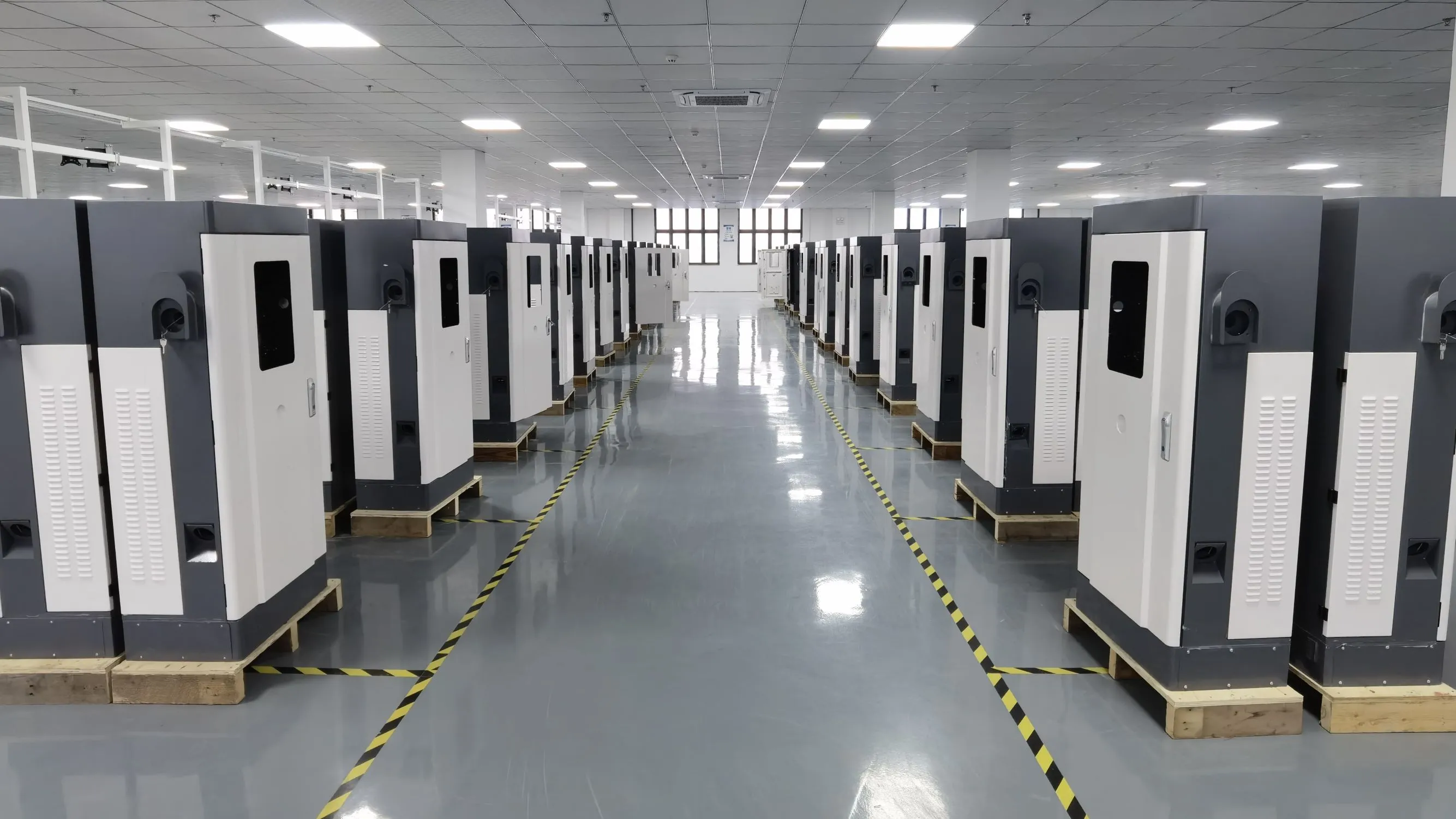
Entogo builds that stack in one vertically integrated factory — commercial AC and DC chargers, low-voltage switchboards and distribution equipment, and battery energy storage — all designed and built to the applicable NEC, UL, and CSA standards; UL (cULus)/CSA certifiable on request. In-house engineering can size the diversified load and the distribution gear as a single package, and owning the production line lets capacity scale without long external supply queues, backed by a warranty of 36-month minimum up to 10 years. Teams weighing an EV buildout can start at EV charging infrastructure or reach engineering through contact.