The first real decision in an EV charging project is not which brand of charger to buy — it is whether the site needs AC or DC charging, or a mix. The two do different jobs, cost very different amounts, and place very different demands on the grid connection. Choosing the wrong one leads either to drivers waiting on underpowered chargers or to a site paying for capacity it never uses.
The technical difference
Every EV battery stores direct current (DC). The question is where the conversion from grid AC happens.
- AC charging sends alternating current to the vehicle, which converts it to DC using its onboard charger. The onboard charger is modest — commonly a few kilowatts up to around 11–19 kW — so AC charging speed is capped by the vehicle, not the charging station.
- DC charging does the conversion inside the charging unit and feeds DC straight to the battery, bypassing the onboard charger. That lets a DC unit deliver far higher power — tens to hundreds of kilowatts — and charge a vehicle in minutes rather than hours.
Match the charger to dwell time
The cleanest way to choose is to ask how long vehicles actually sit at the site.
AC: where vehicles dwell for hours
If cars are parked for the working day or overnight, AC charging is almost always the right answer. Workplaces, apartment buildings, hotels and long-stay parking all give a vehicle hours to charge, so a modest AC power level is enough to fill the battery — at a fraction of the equipment cost and with a much smaller demand on the grid. AC chargers are also simpler to install in quantity.
DC: where stops are short and turnover matters
If the value is in getting a vehicle in and out quickly, DC fast charging earns its higher cost. Highway corridors, public charging hubs, and fleet or bus depots working to tight schedules need power, not patience. The trade-off is capacity: each DC unit is a substantial load, and several at once can overwhelm an ordinary service connection.
The grid-capacity question
This is where many DC projects stall. A bank of fast chargers can demand more power than the site’s utility connection can supply. There are two ways forward:
- Upgrade the service — reliable but slow and costly, and it sizes the site for a peak that may rarely occur.
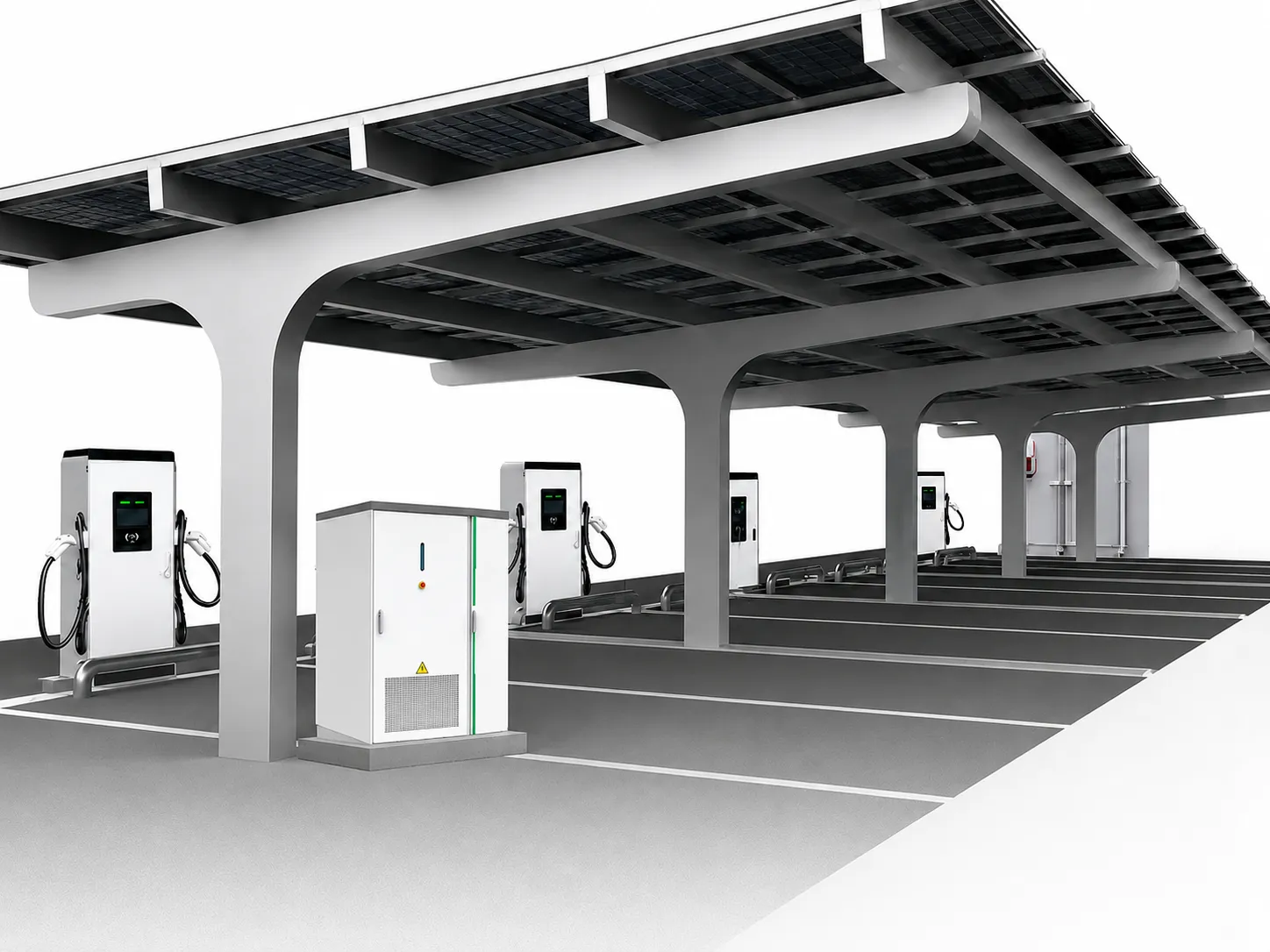
- Add battery storage — pair the chargers with on-site storage so they draw on stored energy, smoothing the grid draw and often deferring the upgrade. This is the logic behind solar-storage-charging and storage-backed charging designs.
Reliability and standards
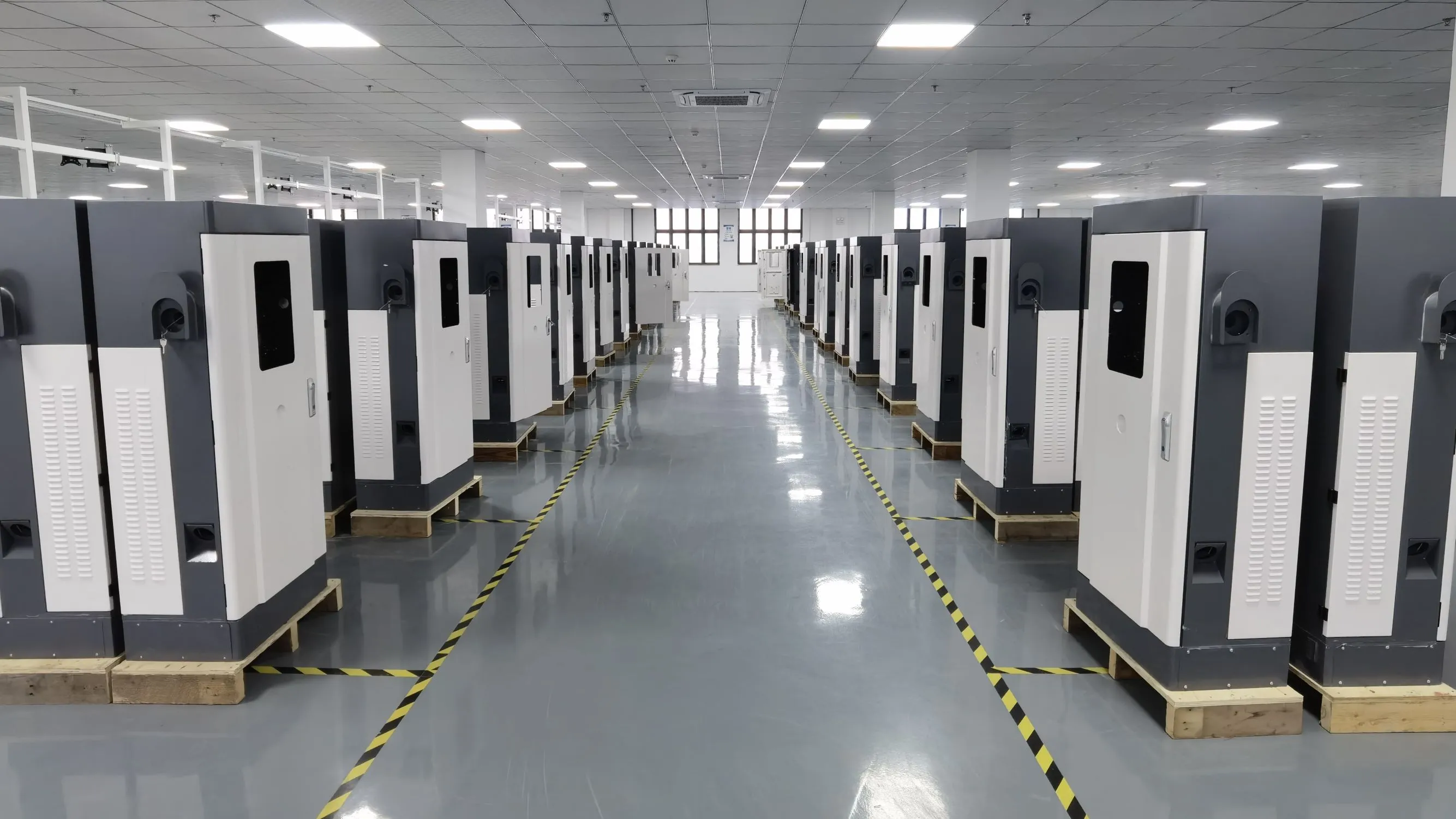
Whichever type a site chooses, the equipment has to be built and connected to North American expectations. Look for product safety listing to UL standards and CSA for the Canadian and US markets, open interoperability via OCPP so the chargers are not locked to one network, and DC protocol support such as CHAdeMO where required. Entogo manufactures both AC and DC charging equipment — built on dedicated AC and DC production lines — and supplies integrated photovoltaic-storage-charging systems for sites where grid capacity is the constraint.
The short version: size the charger to the stop, not the other way around. Get the AC-versus-DC decision right first, and the rest of the design — connection, storage, layout — follows from it.